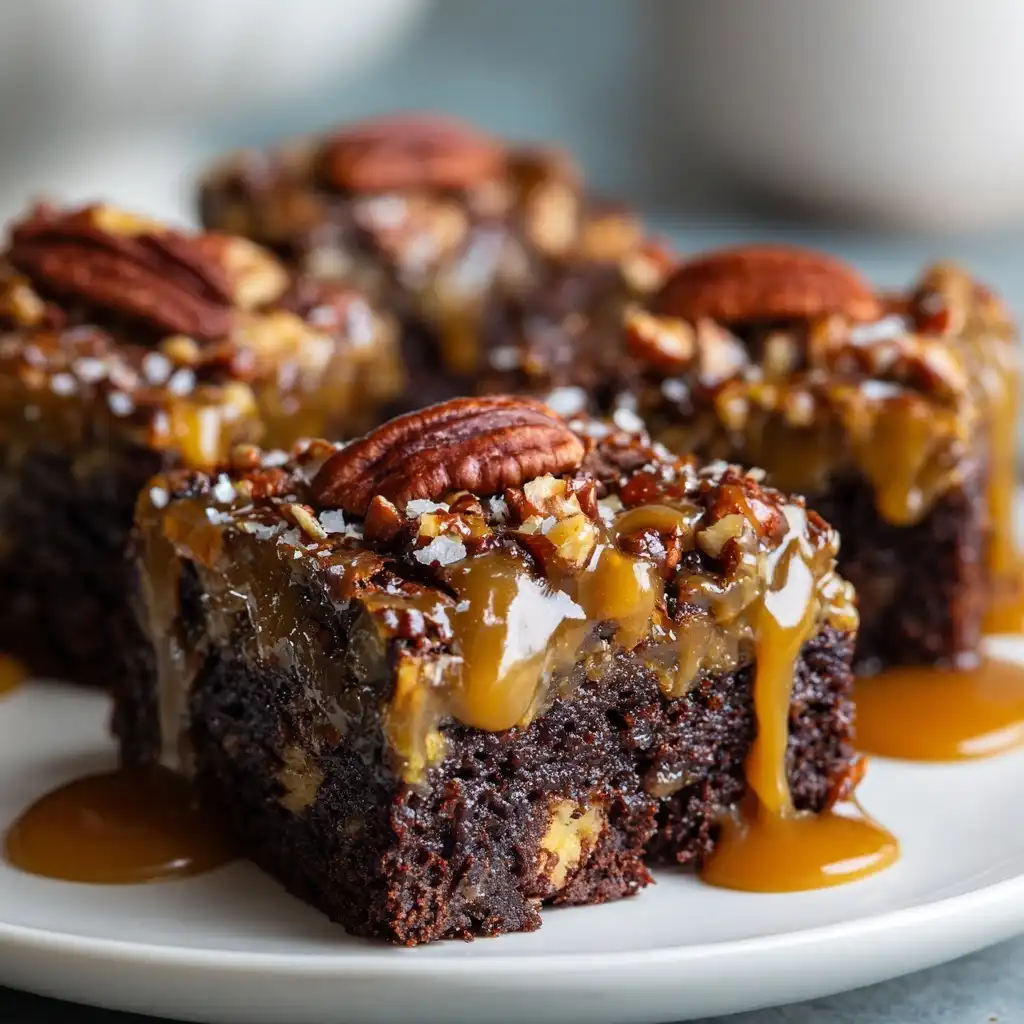
Introduction
Chocolate Butter Cookies are the epitome of classic American home baking—rich, tender, deeply chocolatey, and irresistibly buttery. These cookies strike the perfect balance between soft-centered comfort and crisp-edged sophistication, making them ideal for holiday platters, afternoon tea, lunchbox treats, or midnight indulgences. Unlike overly sweet or cakey chocolate cookies, Chocolate Butter Cookies rely on high-quality butter as both a structural foundation and flavor catalyst, allowing cocoa powder—and often melted dark or bittersweet chocolate—to shine with nuanced depth. Their simplicity belies their elegance: few ingredients, minimal technique, yet maximum sensory impact. Whether you’re a seasoned baker or a curious beginner, this recipe delivers consistent, restaurant-quality results with humble pantry staples and thoughtful execution.
The History
The lineage of Chocolate Butter Cookies traces back to the late 19th and early 20th centuries, emerging alongside the industrialization of cocoa processing and the widespread availability of creamed butter in households across Europe and North America. While chocolate chip cookies (invented in 1938 by Ruth Wakefield) dominate popular lore, butter-based chocolate drop cookies predate them significantly. Early iterations appeared in Victorian-era British cookbooks like Miss Parloa’s New Cook Book (1881) and The Boston Cooking-School Cook Book (1896), where “chocolate creams,” “cocoa drops,” and “butter cocoa cakes” were described as small, round, oven-baked confections made with creamed butter, sugar, cocoa, flour, and leavening—essentially the blueprint we follow today. The rise of Dutch-process cocoa in the 1820s (developed by Coenraad van Houten) elevated chocolate’s smoothness and solubility, enabling richer, more uniform incorporation into cookie doughs. In mid-century America, regional adaptations flourished: Midwest bakers emphasized brown sugar for chewiness; Southern versions sometimes included a whisper of espresso powder or bourbon; and New England traditions favored high-ratio shortening-butter blends for extra tenderness. Today’s Chocolate Butter Cookie is a living heirloom—honoring its roots while embracing modern preferences for real butter, stone-ground cocoa, reduced sugar, and mindful ingredient sourcing.
Ingredients Breakdown
Every ingredient in this recipe serves a precise functional and flavor purpose—no filler, no afterthoughts:
- Unsalted Butter (1 cup / 227g, room temperature): The cornerstone. Room-temperature butter (65–68°F / 18–20°C) creams optimally with sugar to trap air, yielding lift and delicate crumb structure. Unsalted ensures precise sodium control—critical for balancing sweetness and enhancing chocolate’s complexity.
- Granulated Sugar (¾ cup / 150g): Provides sweetness, aids in creaming, and contributes to crisp edges via caramelization. Its finer crystals dissolve more readily than coarse sugars, supporting even texture.
- Brown Sugar (¾ cup / 150g, packed light or dark): Adds moisture, acidity (from molasses), and deep caramel notes. Dark brown sugar intensifies richness and chew; light offers subtler nuance. Molasses also reacts with baking soda for gentle lift and subtle tang.
- Large Eggs (2, room temperature): Act as emulsifiers, binding fat and water while adding structure and tenderness. Room-temperature eggs incorporate more evenly, preventing curdling during creaming.
- Pure Vanilla Extract (2 tsp): Not optional—it amplifies chocolate’s aromatic profile and rounds out sharpness. Madagascar Bourbon vanilla is recommended for its creamy, woody, floral depth.
- All-Purpose Flour (2¼ cups / 280g, spooned & leveled): Provides gluten framework. Spooned-and-leveled prevents over-measuring (which causes toughness). For refined texture, consider blending 20% cake flour (½ cup) to reduce protein slightly.
- Natural or Dutch-Process Cocoa Powder (⅔ cup / 65g): Natural cocoa (acidic, fruity, bright) pairs best with baking soda; Dutch-process (alkalized, mellow, earthy) works with baking powder or soda + acid (e.g., brown sugar’s molasses). This recipe is calibrated for natural cocoa—but includes substitution guidance. Sift before adding to prevent clumping and ensure even dispersion.
- Baking Soda (1 tsp): Reacts with acidic components (brown sugar, natural cocoa, vinegar if added) to produce carbon dioxide, encouraging spread and lift. Critical for that signature slight puff before gentle collapse into a tender crinkle.
- Fine Sea Salt (1 tsp): Enhances all flavors, suppresses bitterness, and balances sweetness. Avoid iodized table salt—it can impart metallic notes at this concentration.
- High-Quality Semi-Sweet or Bittersweet Chocolate (4 oz / 115g, finely chopped or chips): Adds melty pockets, textural contrast, and layered chocolate intensity. Use bars with ≥60% cacao for optimal flavor balance—avoid “baking chips” with stabilizers unless necessary; they resist melting and create waxy pools.
Optional but highly recommended enhancements: 1 tsp instant espresso powder (boosts chocolate without tasting like coffee), ¼ tsp cinnamon (warmth and complexity), or a pinch of flaky sea salt sprinkled atop cookies pre-bake (for gourmet finish).
Step-by-Step Recipe
- Prep Work (15 minutes): Position oven racks in upper and lower thirds. Line two heavy-duty baking sheets with parchment paper or silicone baking mats—do not grease pans. Measure and prep all ingredients. Sift cocoa powder, flour, baking soda, and salt together into a medium bowl; whisk thoroughly. Chop chocolate into pea-sized pieces (if using bars); set aside. Ensure butter and eggs are truly at room temperature—not just softened, but cool-to-the-touch and yielding under gentle finger pressure.
- Cream Butter & Sugars (3–4 minutes): In the bowl of a stand mixer fitted with the paddle attachment (or large bowl with hand mixer), beat unsalted butter on medium speed until smooth and glossy (~1 minute). Add granulated and brown sugars. Beat on medium-high for 3–4 minutes until mixture is very light, fluffy, and pale—scraping bowl and paddle midway. Proper creaming is non-negotiable: under-creamed = dense cookies; over-creamed = greasy, flat results.
- Incorporate Wet Ingredients (2 minutes): Add eggs one at a time, beating on medium speed for 60 seconds after each addition until fully emulsified and shiny. Mix in vanilla extract. Mixture should be homogenous, thick, and slightly ribbony when drizzled from the beater.
- Combine Dry & Wet (1 minute): Reduce mixer speed to low. Gradually add sifted dry ingredients in three additions, mixing only until *just* incorporated after each—do not overmix. Batter will be thick and shaggy. Fold in chopped chocolate by hand with a flexible spatula until evenly distributed (about 15–20 turns). Dough will be soft but hold shape when scooped.
- Chill Strategically (Minimum 1 hour, ideally 24–48 hours): Divide dough into two equal portions. Shape each into a 1½-inch-thick log, wrap tightly in parchment or wax paper, then in plastic wrap. Refrigerate for at least 1 hour—or better, 24–48 hours. Chilling solidifies butter, slows spread, concentrates flavors, hydrates flour, and develops deeper cocoa notes. For immediate baking, freeze logs for 20 minutes minimum.
- Portion & Bake (10–12 minutes per batch): Preheat oven to 350°F (177°C). Slice chilled dough into ¼-inch-thick rounds (≈1.5 oz / 43g each). Place 2 inches apart on prepared sheets. Optional: Sprinkle tops lightly with flaky sea salt. Bake 10–12 minutes—rotating pans top-to-bottom and front-to-back at 6-minute mark—until edges are set and lightly golden, centers appear soft and slightly puffed, and surface shows fine cracks. Do NOT overbake: cookies continue cooking on hot sheet.
- Cool & Set (15–20 minutes): Let cookies rest on baking sheets for 5 minutes—this allows structure to set and prevents breakage. Then transfer carefully to wire racks to cool completely. They’ll firm up significantly as they cool, achieving ideal chew-crisp duality.
Tips
- Butter Temperature Mastery: Too cold? Creaming fails. Too warm? Butter melts prematurely, causing greasy spread. Ideal butter yields to gentle thumb pressure, leaves no indentation, and stays cool—not oily or shiny.
- Weigh Your Ingredients: Volume measurements vary wildly—especially flour and cocoa. A digital scale ensures precision. 1 cup AP flour = 120–125g; 1 cup cocoa = ~80–85g (varies by brand).
- Sifting Is Non-Negotiable: Cocoa clumps easily and hides in flour. Sifting dry ingredients *together* guarantees even distribution and eliminates lumps that cause bitter pockets or uneven rise.
- Chill Time Is Flavor Time: Don’t skip it! Cold dough yields thicker, more flavorful cookies. Extended chilling (up to 72 hours) deepens cocoa’s roasted notes and improves dough handling.
- Rotate Pans Mid-Bake: Home ovens have hot spots. Rotating ensures even browning and prevents burnt edges or pale centers.
- Underbake Slightly: Remove cookies when centers look soft and just-set—not firm. They’ll carry over cook on the hot sheet. Err on the side of underdone for chewy interiors.
- Cool Completely Before Storing: Trapped steam creates sogginess. Let cool fully on wire racks before layering in airtight containers.
- Batch Consistency: Bake one sheet at a time if your oven is small or inconsistent. Crowding lowers temperature and traps steam, leading to pale, uneven cookies.
- Dough Storage: Chilled logs keep for 5 days refrigerated or 3 months frozen. Slice frozen dough directly—no thawing needed—just add 1–2 minutes to bake time.
- Room-Temperature Eggs Hack: Submerge cold eggs in warm (not hot) tap water for 5–7 minutes before using. Prevents shocking butter during mixing.
Variations and Customizations
This foundational recipe invites endless creativity—each variation preserving the butter-chocolate soul while offering new dimensions:
- Double Chocolate Espresso: Add 1 tsp instant espresso powder + 2 tbsp finely ground dark roast coffee to dry ingredients. Replace 1 oz chocolate with 1 oz white chocolate for contrast.
- Orange-Zested Cocoa: Add 2 tsp finely grated orange zest + 1 tsp orange extract with wet ingredients. Pair with 70% dark chocolate and a sprinkle of candied orange peel post-bake.
- Smoked Sea Salt & Caramel: Stir ¼ cup toasted pecans and ⅓ cup soft caramel bits (e.g., Kraft caramels, chopped) into dough. Finish with flaky smoked sea salt.
- Gluten-Free Adaptation: Substitute 1:1 gluten-free flour blend (with xanthan gum) for AP flour. Add 1 tbsp psyllium husk powder to improve elasticity and moisture retention. Chill dough 2+ hours.
- Vegan Version: Use vegan butter (Miyoko’s or Earth Balance), flax eggs (2 tbsp ground flax + 6 tbsp water, rested 10 min), coconut sugar (1:1 swap), and dairy-free chocolate. Add 1 tsp apple cider vinegar to react with baking soda.
- Spiced Mexican Hot Chocolate: Add 1 tsp ground cinnamon, ¼ tsp chipotle powder, ⅛ tsp ground clove, and a pinch of cayenne. Top with cinnamon-sugar before baking.
- Stout-Infused: Replace 2 tbsp milk or water in wet ingredients with room-temp stout beer (e.g., Guinness). Reduces bitterness and adds malty depth.
- White Chocolate–Macadamia: Omit cocoa powder and reduce flour to 1¾ cups. Use white chocolate chunks and toasted macadamia nuts. Add ¼ tsp almond extract.
- Mini Bite-Sized: Scoop dough with 1-teaspoon cookie scoop. Bake 7–9 minutes. Perfect for parties, gift tins, or portion control.
- Cookie Sandwiches: Bake as directed, then sandwich with salted caramel buttercream, espresso ganache, or maple-pecan filling.
Health Considerations and Nutritional Value
Made with whole-food ingredients and mindful techniques, Chocolate Butter Cookies can fit thoughtfully into a balanced lifestyle—without compromising joy or tradition. Here’s what makes them nutritionally distinctive (per standard 1.5-oz cookie, based on recipe yields ~36 cookies):
- Calories: ~185 kcal — moderate for a dessert cookie, thanks to controlled sugar and absence of shortening or excessive add-ins.
- Fat: ~10g total (6g saturated) — primarily from butter, which contains conjugated linoleic acid (CLA), vitamin K2, and butyrate—nutrients linked to metabolic and gut health when consumed in context of a varied diet.
- Carbohydrates: ~21g (14g sugars) — notably lower in added sugar than commercial counterparts (often 18–22g per cookie). Brown sugar contributes trace minerals (calcium, potassium, iron) via molasses.
- Protein: ~2g — modest but present from eggs and small amounts in cocoa and flour.
- Fiber: ~1g — enhanced by using whole-wheat pastry flour (substitute ½ cup for AP) or adding 1 tbsp ground flaxseed.
- Antioxidants: Rich in flavonoids (epicatechin, procyanidins) from high-cacao chocolate and cocoa powder—associated with improved vascular function, cognitive support, and anti-inflammatory activity.
- No Artificial Additives: Free from preservatives, artificial colors, hydrogenated oils, or high-fructose corn syrup—unlike most store-bought versions.
Considerations for Specific Diets:
- Reduced-Sugar Option: Cut granulated sugar to ½ cup and brown sugar to ⅔ cup. Compensate with 1 tsp pure monk fruit extract or 2 tbsp date paste (reduce other liquids by 1 tbsp). Texture remains excellent.
- Lower-Fat Alternative: Replace ¼ cup butter with unsweetened applesauce or mashed banana—but expect denser, cakier texture. Best for occasional use, not traditional expectations.
- Allergen Notes: Naturally nut-free (unless customized), soy-free (with soy-free chocolate), and egg-free options available (see Vegan variation). Always verify chocolate labels for dairy, soy, or nut cross-contact if severe allergy exists.
- Mindful Enjoyment: Savor one cookie slowly—pair with herbal tea or black coffee—to enhance satiety signals and reduce urge for multiple servings.
Ingredients
- 1 cup (227g) unsalted butter, room temperature
- ¾ cup (150g) granulated sugar
- ¾ cup (150g) packed light or dark brown sugar
- 2 large eggs, room temperature
- 2 teaspoons pure vanilla extract
- 2¼ cups (280g) all-purpose flour, spooned & leveled
- ⅔ cup (65g) natural unsweetened cocoa powder (or Dutch-process with adjustment)
- 1 teaspoon baking soda
- 1 teaspoon fine sea salt
- 4 ounces (115g) high-quality semi-sweet or bittersweet chocolate (60–70% cacao), finely chopped
- Flaky sea salt, for finishing (optional)
Directions
- Preheat oven to 350°F (177°C). Line two large baking sheets with parchment paper or silicone baking mats.
- In a medium bowl, whisk together flour, cocoa powder, baking soda, and salt. Set aside.
- In the bowl of a stand mixer fitted with the paddle attachment, beat butter on medium speed until smooth and glossy, about 1 minute. Add granulated and brown sugars and beat on medium-high speed for 3–4 minutes, until light, fluffy, and pale in color, scraping bowl and paddle halfway through.
- Add eggs one at a time, beating for 60 seconds after each addition until fully incorporated and mixture is shiny. Beat in vanilla extract.
- Reduce mixer speed to low. Gradually add dry ingredients in three parts, mixing only until no streaks remain after each addition—do not overmix. Using a flexible spatula, fold in chopped chocolate until evenly distributed.
- Divide dough in half. Shape each portion into a 1½-inch-thick log. Wrap tightly in parchment or wax paper, then in plastic wrap. Refrigerate for at least 1 hour—or up to 48 hours for optimal flavor and texture.
- When ready to bake, slice dough into ¼-inch-thick rounds (about 1.5 oz each). Place 2 inches apart on prepared baking sheets. Optional: sprinkle tops lightly with flaky sea salt.
- Bake for 10–12 minutes, rotating pans top-to-bottom and front-to-back at the 6-minute mark, until edges are set and lightly golden and centers appear soft and puffed with fine surface cracks.
- Let cookies cool on baking sheets for 5 minutes, then carefully transfer to wire racks to cool completely—about 15–20 minutes. They will firm up considerably as they cool.
- Store cooled cookies in an airtight container at room temperature for up to 1 week, or freeze for up to 3 months.
FAQ
- Can I use Dutch-process cocoa instead of natural?
- Yes—but adjust leavening: omit baking soda and use 1¼ tsp baking powder instead. Dutch-process is neutral pH and won’t react with soda. Flavor will be mellower, less tangy.
- Why did my cookies spread too much?
- Most common causes: butter too warm, insufficient chilling, excess sugar, or mis-measured flour (too little). Also check oven temperature with an oven thermometer—many run hot or cold.
- Can I make these gluten-free?
- Absolutely. Substitute 2¼ cups (280g) 1:1 gluten-free flour blend (with xanthan gum). Add 1 tbsp psyllium husk powder and chill dough at least 2 hours. Texture will be slightly more tender but equally delicious.
- My cookies turned out cakey—what went wrong?
- Likely overmixing after adding flour, using too much leavening, substituting cake flour without adjusting, or baking at too low a temperature. Also, expired baking soda loses lift power—test freshness by mixing ¼ tsp with 2 tsp vinegar; it should bubble vigorously.
- How do I prevent burnt bottoms?
- Use light-colored, heavy-gauge aluminum baking sheets—not dark nonstick or insulated pans, which absorb too much heat. Double-parchment (two layers) or silicone mats also help buffer heat.
- Can I freeze the baked cookies?
- Yes! Cool completely, then layer between parchment in an airtight freezer container. Freeze up to 3 months. Thaw at room temperature for 30 minutes—or warm gently in a 300°F oven for 3–4 minutes.
- What’s the best chocolate to use?
- Bars with 60–72% cacao—like Valrhona Caraïbe, Ghirardelli Intense Dark, or Callebaut 60/40. Avoid “melting wafers” or chips with palm oil—they lack flavor and don’t melt authentically.
- Can I add nuts or dried fruit?
- Yes—fold in ¾ cup toasted walnuts, pecans, or hazelnuts, or ⅔ cup dried cherries or cranberries (soaked in warm water 10 min, drained well). Reduce chocolate by ¼ cup to maintain balance.
- Why do you recommend chilling the dough?
- Chilling solidifies butter, preventing premature melt and excessive spread. It also allows flour to fully hydrate, gluten to relax, and flavors to meld—resulting in richer taste, better texture, and cleaner edges.
- Can I make these dairy-free?
- Yes—use high-fat vegan butter (e.g., Miyoko’s), dairy-free chocolate, and a flax or chia egg replacement. Add ¼ tsp apple cider vinegar to activate baking soda for optimal rise.
Summary
Chocolate Butter Cookies are a timeless, butter-forward classic rooted in 19th-century baking traditions—elevated by premium cocoa, precise creaming, strategic chilling, and intentional ingredient synergy.
They deliver luxurious texture (crisp edges, tender-chewy centers), profound chocolate depth, and remarkable versatility—serving equally well as nostalgic treats, elegant dessert components, or customizable canvases for global flavors and dietary adaptations.