Introduction
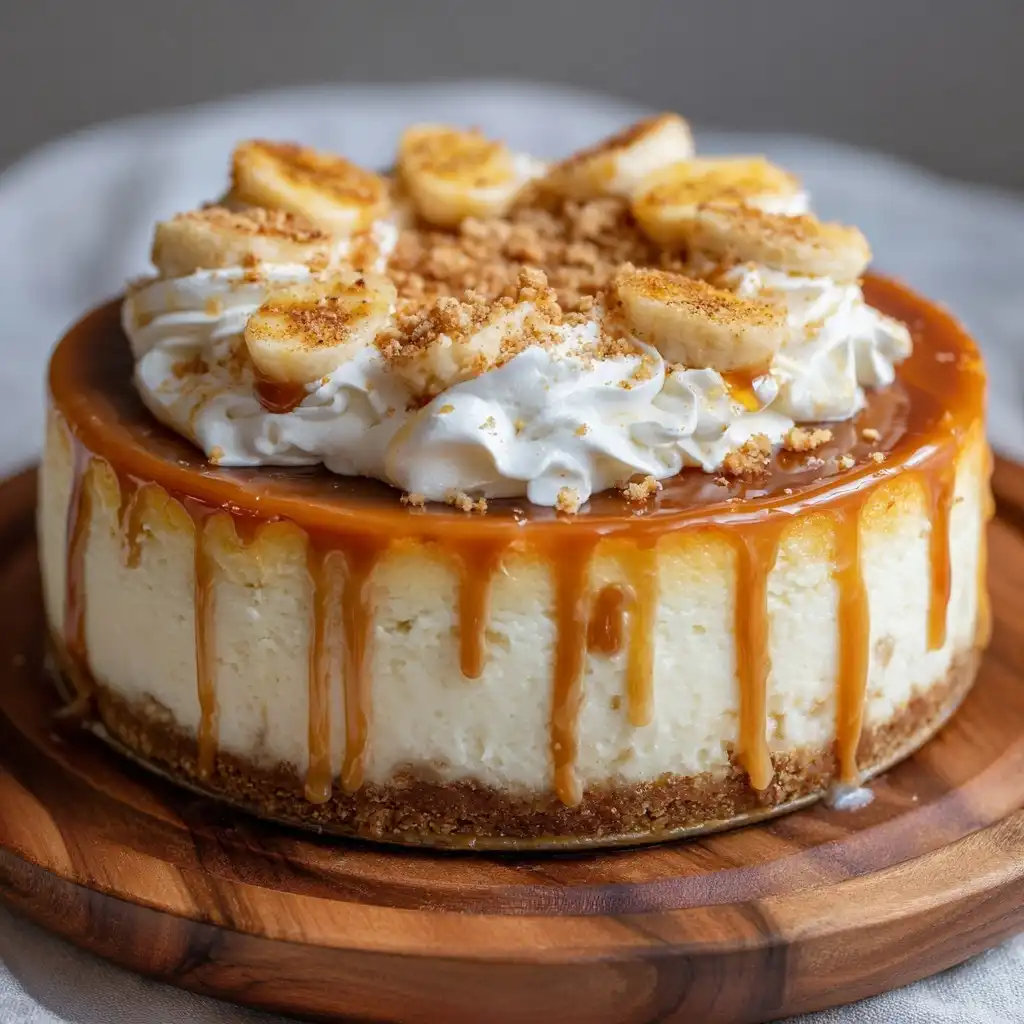
Burnt Honey Basque Cheesecake with Candied Citrus is a breathtaking evolution of the beloved Spanish Basque cheesecake—elevating its signature rustic, caramelized crust and luxuriously creamy interior with the deep, complex sweetness of burnt (or “blackened”) honey and the bright, fragrant elegance of house-made candied citrus. This dessert marries minimalism with sophistication: no water bath, no springform fuss, no flour or cornstarch—just pure, unadulterated cheesecake alchemy. The burnt honey—carefully heated until it develops toasted, almost molasses-like notes with subtle bitter undertones—infuses every bite with warmth and depth, while the candied citrus (think ruby-red grapefruit, blood orange, or Meyer lemon peel) adds aromatic brightness, textural contrast, and a stunning visual flourish. It’s not just a dessert—it’s an experience: crackling top, cloud-soft center, golden-brown edges, and a finish that lingers with floral honey, citrus zest, and gentle smoke.
The History
The Basque cheesecake traces its origins to La Viña, a family-run restaurant in San Sebastián, Spain, where chef Santiago Rivera reportedly first served the now-iconic “tarta de queso” in the 1990s. Unlike traditional New York–style cheesecakes, La Viña’s version was baked at high heat without a water bath, resulting in a dramatically dark, wrinkled, custard-like exterior and an impossibly tender, jiggly center—a happy accident turned culinary phenomenon. Its global rise began in earnest around 2017–2018, amplified by social media’s love for its dramatic, “burnt” appearance and minimalist technique. The burnt honey variation emerged organically from pastry chefs and home bakers seeking deeper flavor complexity—drawing inspiration from Japanese “kuro-ami” (black honey) traditions and Scandinavian techniques of caramelizing local honeys. Meanwhile, candied citrus has centuries-old roots in Mediterranean confectionery—from Italian *canditi* to French *confits d’agrumes*—used both as garnish and flavor enhancer. The fusion of these two elements—burnt honey’s umami-rich sweetness and candied citrus’s vibrant acidity and chewy texture—represents a modern, globally conscious reinterpretation: honoring Basque simplicity while layering in artisanal, seasonal, and terroir-driven ingredients.
Ingredients Breakdown
Every ingredient in this recipe serves a precise functional and sensory role—no filler, no afterthought. Let’s unpack them:
- Cream Cheese (full-fat, room temperature): The structural and textural backbone. Must be truly softened (68–72°F) to ensure smooth incorporation and prevent lumps. Avoid low-fat or whipped versions—they contain stabilizers and excess air that compromise density and bake integrity.
- Granulated Sugar: Provides sweetness, aids in aeration during mixing, and contributes to crust formation and browning via the Maillard reaction. A portion is reserved for the candied citrus syrup.
- Burnt Honey: Not merely warmed honey—but honey gently heated to 240–250°F (soft-ball stage), then held just beyond to develop nutty, toffee-like notes and a faint smoky bitterness. Raw, varietal honeys like wildflower, tupelo, or orange blossom work best; avoid ultra-processed clover honey, which lacks nuance. Burnt honey adds viscosity, acidity balance, and an unmistakable aromatic depth that cuts through richness.
- Sour Cream & Heavy Cream (both full-fat, room temperature): Sour cream contributes tang, moisture, and slight acidity to balance sweetness and enhance tenderness. Heavy cream enriches mouthfeel and ensures fluidity for proper setting—too little leads to rubberiness; too much causes weeping or collapse.
- Eggs (large, room temperature): Act as binders and leaveners. Their proteins coagulate to set the structure, while their yolks add fat and emulsification. Overmixing after adding eggs incorporates excess air, risking cracks and uneven baking—so fold, don’t beat.
- Unsalted Butter (melted and cooled): Adds richness, sheen, and subtle dairy notes. Melted (not browned) to integrate smoothly without cooking the eggs on contact.
- Vanilla Bean Paste (or seeds scraped from 1 pod): Far superior to extract—offers warm, floral, creamy notes and visible specks that signal authenticity and elevate aroma.
- Sea Salt (fine, non-iodized): Critical for flavor modulation. Enhances sweetness, tempers honey’s intensity, and sharpens citrus notes. Kosher salt is acceptable, but fine sea salt dissolves evenly and offers clean mineral lift.
- Candied Citrus (for garnish and flavor infusion): Made from organic, unwaxed citrus peels (grapefruit, blood orange, or yuzu work exceptionally well). Simmered in a syrup of sugar, water, and a touch of burnt honey, then dried to a glossy, tender-chewy finish. The peel imparts essential oils (limonene, linalool), contributing bright top notes that cut through the cheesecake’s decadence—and visually echoes the burnt crust in a harmonious, color-coordinated way.
Step-by-Step Recipe
- Prepare the Pan: Line an 8-inch round springform pan with two overlapping sheets of parchment paper—cut one to fit the bottom perfectly, and the second long enough to overhang all sides (for easy lifting later). Lightly butter the parchment and pan sides. Chill pan in freezer for 15 minutes—this prevents sticking and encourages even heat transfer.
- Make the Candied Citrus (Start 2 Days Ahead): Using a Y-peeler, remove only the colored zest (avoid white pith) from 2 large organic grapefruits and 1 blood orange. Cut into ¼-inch-wide strips. Blanch zest in boiling water 3x (1 minute each, refreshing water between), to remove bitterness. Combine 1 cup granulated sugar, ½ cup water, and 2 tbsp burnt honey in a saucepan. Bring to simmer, stirring until sugar dissolves. Add zest, reduce heat to lowest setting, and simmer uncovered for 45–60 minutes, stirring occasionally, until translucent and syrup thickens to light amber. Remove zest with fork, lay on parchment-lined rack, and air-dry uncovered at room temperature for 24–48 hours until tacky but pliable. Store in airtight container with a sheet of parchment between layers.
- Prepare the Burnt Honey: In a small, heavy-bottomed saucepan, combine ¾ cup raw wildflower honey. Heat over medium-low, swirling (not stirring) constantly. Watch closely: at ~240°F, bubbles become slower and foam golden; at 248–252°F, aroma shifts to toasted nuts and caramel. Remove from heat immediately once you detect a whisper of smoke and deep amber hue (about 6–8 minutes total). Cool completely—honey will thicken slightly but remain pourable.
- Mix the Batter (Room Temperature Is Non-Negotiable): In a large bowl, beat cream cheese with paddle attachment (stand mixer) or hand mixer on medium until completely smooth and glossy (~2 min). Scrape bowl thoroughly. Add sugar and beat 2 more minutes until lightened in color. Beat in burnt honey, then melted butter, vanilla, and salt—15 seconds each, scraping bowl after each addition. Add sour cream and heavy cream; mix on low just until homogenous—do not overmix. One at a time, add eggs, beating on low just until yolk disappears (5–8 seconds per egg). Final batter should be velvety, lump-free, and pourable—not stiff or airy.
- Bake with Precision: Preheat oven to 425°F (convection off) with rack positioned in lower third. Place pan directly on middle oven rack (no baking stone or tray beneath). Pour batter in—surface will look glossy and slightly rippled. Bake 12 minutes. Without opening oven, reduce temperature to 375°F. Bake 38 more minutes—top should be deeply bronzed, almost blackened at edges, with pronounced cracks and a firm-but-jiggly center (a gentle nudge should yield a slow, wobbly ripple—not liquid slosh). Total bake time: 50 minutes. Crucial note: Ovens vary—use visual cues over timers. Underbaked = weepy center; overbaked = dry, crumbly texture.
- Cool Gradually (The Secret to Stability): Turn off oven. Crack door open 1 inch with wooden spoon handle. Leave cake inside for 30 minutes—this slows contraction and prevents dramatic sinking or cracking. Remove from oven, run thin knife around edge to loosen. Cool completely at room temperature (2–3 hours), then refrigerate uncovered for *at least 12 hours*, ideally 24–48 hours. Chilling firms texture, deepens flavor integration, and allows the center to achieve its iconic silkiness.
- Unmold & Garnish: Run warm knife around perimeter again. Lift cake using parchment overhang onto serving plate. Peel away bottom parchment. Arrange candied citrus strips artistically across top—curl some, fan others, leave a few draped over the side. Optional: drizzle with 1 tsp reserved burnt honey and micro-citrus zest.
Tips
- Thermometer Required for Burnt Honey: Guesswork leads to scorched or underdeveloped honey. Use a digital candy thermometer—remove at 250°F ±2°F. If you lack one, watch for a rich amber color, slow-moving bubbles, and a distinct aroma of toasted almonds and dark caramel—plus a faint, pleasant smokiness. Never walk away.
- No Substitutions for Room-Temperature Ingredients: Cold cream cheese creates lumps that won’t fully incorporate. Cold eggs cause batter to seize and curdle. Take ingredients out 3–4 hours ahead—or place sealed cream cheese blocks in warm (not hot) water for 15 minutes before use.
- Oven Calibration Matters: Many ovens run hot or cold. Use an independent oven thermometer. If your cake blackens too fast, reduce initial temp by 10–15°F. If it remains pale after 50 minutes, increase initial temp slightly next time.
- Parchment Overhang Is Your Lifeline: Don’t skip the double-layer parchment. It ensures clean release, preserves the delicate crust, and allows you to lift and position the cake flawlessly—even on a marble slab or slate board.
- Chill Time Is Non-Negotiable: Skipping or shortening refrigeration results in a fragile, pudding-like texture that collapses when sliced. Overnight chilling transforms the cake—tightening structure while amplifying flavor harmony between honey, citrus, and cream cheese.
- Slicing Technique: Use a long, thin, non-serrated knife dipped in hot water and wiped dry between each cut. For perfect wedges, wipe, reheat, and dry after every slice. Serve chilled—not cold straight from fridge (let sit 10 minutes).
- Storage Wisdom: Keep covered in fridge up to 5 days. Do not freeze—the texture degrades upon thawing. Candied citrus keeps 3 weeks refrigerated in syrup, or 2 months dry in airtight container.
Variations and Customizations
This recipe is a canvas—respect the Basque method, but let seasonality and curiosity guide your adaptations:
- Seasonal Citrus Rotation: Swap grapefruit for kumquats (simmer whole, unpeeled, for intense tartness), yuzu (for haunting, floral-citrus perfume), or preserved lemon peel (for Middle Eastern flair and saline brightness).
- Honey Varietal Experiments: Try chestnut honey for earthy bitterness, lavender honey for floral lift, or pine honey (“manna”) for resinous depth. Each alters the burnt profile uniquely—adjust heating time accordingly (darker honeys scorch faster).
- Herbal Infusion: Steep 1 tsp fresh thyme or rosemary in warm cream for 20 minutes before straining and adding to batter. Complements burnt honey’s smokiness and citrus’s brightness.
- Spice Accent: Whisk ¼ tsp ground cardamom or black pepper into sugar before creaming—adds intrigue without overwhelming. Black pepper especially enhances honey’s warmth.
- Gluten-Free & Dairy-Optional Notes: This cake is naturally gluten-free. For dairy-free adaptation: use high-fat coconut cream (chilled, solid part only), vegan cream cheese (Kite Hill or Miyoko’s), and refined coconut oil instead of butter. Results differ—less tang, more coconut note—but still elegant and satisfying.
- Mini Version: Bake in lined muffin tins at 425°F for 14 minutes, then 375°F for 16–18 minutes. Yield: 12–14 mini cakes. Perfect for tasting menus or holiday platters.
- Boozy Twist: Fold 1 tbsp Grand Marnier, Cointreau, or aged rum into batter after eggs. Adds complexity and softens honey’s intensity.
Health Considerations and Nutritional Value
While undeniably indulgent, this Burnt Honey Basque Cheesecake offers nuanced nutritional qualities when viewed beyond “cheese + sugar.” A standard slice (1/12th of cake) contains approximately:
- Calories: 420–460 kcal
- Total Fat: 32–35g (19–21g saturated)—primarily from whole dairy fats, which provide fat-soluble vitamins (A, D, E, K2) and support hormone health and satiety.
- Protein: 8–10g—high-quality, complete protein from dairy supports muscle maintenance and metabolic function.
- Carbohydrates: 28–32g (24–28g sugars)—mostly from natural lactose and honey. Burnt honey retains trace antioxidants (phenolic acids, flavonoids) and enzymes, though heat diminishes some. Its lower glycemic index vs. granulated sugar may offer modest blood-sugar advantages.
- Sodium: 220–260mg—moderate, enhanced by mineral-rich sea salt.
- Key Micronutrients: Calcium (22% DV), phosphorus (20% DV), vitamin B12 (18% DV), and selenium (15% DV) —all abundant in grass-fed dairy and supporting bone, nerve, and immune health.
Considerations: This dessert is not low-calorie or low-sugar—but it’s free of refined starches, gums, artificial flavors, or preservatives. The inclusion of burnt honey introduces beneficial polyphenols and prebiotic oligosaccharides; candied citrus peel delivers bioflavonoids (hesperidin, naringin) linked to vascular health and anti-inflammatory activity. For those managing diabetes, pairing with a green salad or berries helps modulate glucose response. For lactose sensitivity, the long baking and fermentation-like aging process reduces lactose content significantly—many report better tolerance than with fresh dairy. As always, moderation and mindful enjoyment are central to sustainable, joyful eating.
Ingredients
- 1 ½ lbs (680g) full-fat cream cheese, room temperature
- ¾ cup (150g) granulated sugar, divided (¼ cup for candied citrus)
- ¾ cup (215g) raw, varietal honey (e.g., wildflower or orange blossom)
- 6 tbsp (85g) unsalted butter, melted and cooled
- 1 vanilla bean, seeds scraped (or 2 tsp pure vanilla bean paste)
- 1 tsp fine sea salt
- ⅔ cup (160g) full-fat sour cream, room temperature
- ⅔ cup (160g) heavy cream (36–40% fat), room temperature
- 3 large eggs, room temperature
- For Candied Citrus:
– Zest of 2 pink grapefruits + 1 blood orange (organic, unwaxed)
– 1 cup (200g) granulated sugar
– ½ cup (120ml) water
– 2 tbsp (60g) burnt honey (reserved from main batch)
Directions
- Prepare Candied Citrus (2 Days Before Baking): Using a Y-peeler, carefully remove zest in long strips from citrus—avoiding white pith. Place zest in a heatproof bowl. Bring a pot of water to boil, blanch zest for 1 minute, drain, and repeat 2 more times. In a medium saucepan, combine 1 cup sugar, ½ cup water, and 2 tbsp burnt honey. Stir over medium heat until sugar dissolves. Bring to gentle simmer. Add blanched zest, reduce heat to lowest setting, and simmer uncovered 45–60 minutes, stirring occasionally, until syrup is thick and amber and zest is translucent. Remove zest with slotted spoon; spread on parchment-lined wire rack. Air-dry uncovered at room temperature 24–48 hours until slightly tacky but flexible. Store in airtight container.
- Make Burnt Honey: In small heavy-bottomed saucepan, heat ¾ cup honey over medium-low heat. Swirl pan gently—do not stir. Monitor with candy thermometer. At 240°F, bubbles slow; at 248–252°F, aroma becomes toasty and color deepens to amber. Remove from heat immediately at 250°F. Cool completely (will thicken slightly).
- Prep Pan: Line 8-inch springform pan with parchment: one piece for bottom, one long strip for sides with 2-inch overhang. Lightly butter parchment and pan sides. Freeze pan 15 minutes.
- Mix Batter: In stand mixer with paddle, beat cream cheese on medium 2 minutes until smooth. Add ½ cup sugar; beat 2 minutes until pale. Add burnt honey, melted butter, vanilla seeds, and salt; beat 15 seconds each, scraping bowl. Add sour cream and heavy cream; mix on low until combined. Add eggs one at a time, mixing just until incorporated (5–8 sec each). Batter should be silky, uniform, and pourable.
- Bake: Preheat oven to 425°F (no convection). Place pan on center rack. Bake 12 minutes. Reduce heat to 375°F. Bake 38 more minutes—top deeply bronzed, edges cracked, center jiggly like set Jell-O. Total: 50 minutes.
- Cool & Chill: Turn off oven. Crack door open 1 inch; let cake rest 30 minutes inside. Remove, run knife around edge. Cool completely on wire rack (2–3 hrs). Refrigerate uncovered ≥12 hours (ideally 24–48 hrs).
- Unmold & Serve: Run warm knife around edge. Lift cake using parchment overhang. Peel off bottom parchment. Garnish generously with candied citrus strips. Drizzle lightly with extra burnt honey and citrus zest if desired. Slice with hot, dry knife.
FAQ
- Why does my cake crack so deeply? Is that normal?
- Yes—deep, dramatic cracks are not a flaw; they’re a hallmark of authentic Basque cheesecake. They form due to rapid expansion and contraction during high-heat baking and cooling. As long as the center is creamy (not dry or crumbly), you’ve succeeded. Shallow cracks may indicate underbaking or too-low oven temp.
- Can I use regular honey instead of burnt honey?
- You can—but you’ll lose the defining depth, complexity, and balancing bitterness. Regular honey adds sweetness and moisture but lacks the roasted, umami-laced character that makes this version extraordinary. If pressed, gently warm regular honey to 180°F and cool before using—but know it’s a compromise.
- My cake sank in the center after cooling. Did I overbake?
- More likely, it was underbaked. A properly baked Basque cheesecake should hold its shape with only gentle jiggle—like cool pudding—when nudged. Sinking indicates insufficient protein coagulation. Next time, bake 2–3 minutes longer (watch visual cues, not timer) or verify oven temp.
- Can I make this ahead for an event?
- Absolutely—and you should. This cake improves dramatically with time. It’s ideal made 2–3 days ahead: flavors meld, texture tightens, and the contrast between crust and center deepens. Just keep refrigerated, covered loosely with parchment (not plastic wrap, which traps condensation).
- What if I don’t have a springform pan?
- Use a regular 8-inch round cake pan with tall sides (at least 3 inches). Line meticulously with parchment—bottom and full-height sides—with generous overhang. You’ll need to invert the cake onto a plate, then flip again to right-side-up, but it works. Avoid shallow pans—they’ll overflow.
- Is there a lower-sugar option?
- Reducing sugar compromises structure, browning, and moisture balance. However, you may replace up to ¼ cup sugar with allulose (a low-glycemic, non-fermenting sweetener that behaves like sugar in baking). Do not use stevia, erythritol, or monk fruit blends—they create cooling aftertaste and graininess.
- Can I freeze the baked cake?
- We do not recommend freezing. Dairy-based custards separate upon thawing, yielding watery, grainy textures and diminished aroma. Instead, bake and chill up to 3 days ahead—it tastes fresher than frozen ever could.
- Why must everything be room temperature?
- Temperature consistency ensures emulsion stability. Cold ingredients cause fat to seize and trap air unevenly, leading to lumps, curdling, or dense, gummy texture. Room-temp components blend into a homogenous, aerated batter that bakes evenly and sets cleanly.
Summary
Burnt Honey Basque Cheesecake with Candied Citrus is a masterclass in restrained luxury—where high-heat simplicity meets layered, intentional flavor: deeply caramelized honey, lush cultured dairy, and bright, aromatic citrus preserved at its peak. It demands attention to detail—temperature, timing, technique—but rewards with a dessert that is at once boldly rustic and exquisitely refined.
Each slice delivers a symphony of contrasts: crackling obsidian crust against silken, cloud-like center; rich umami sweetness balanced by zesty, floral citrus; warm, toasted depth lifted by cool, vibrant acidity—making it not just a finale to a meal, but a resonant, unforgettable moment of taste and texture.