Introduction
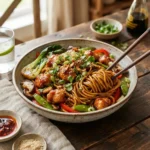
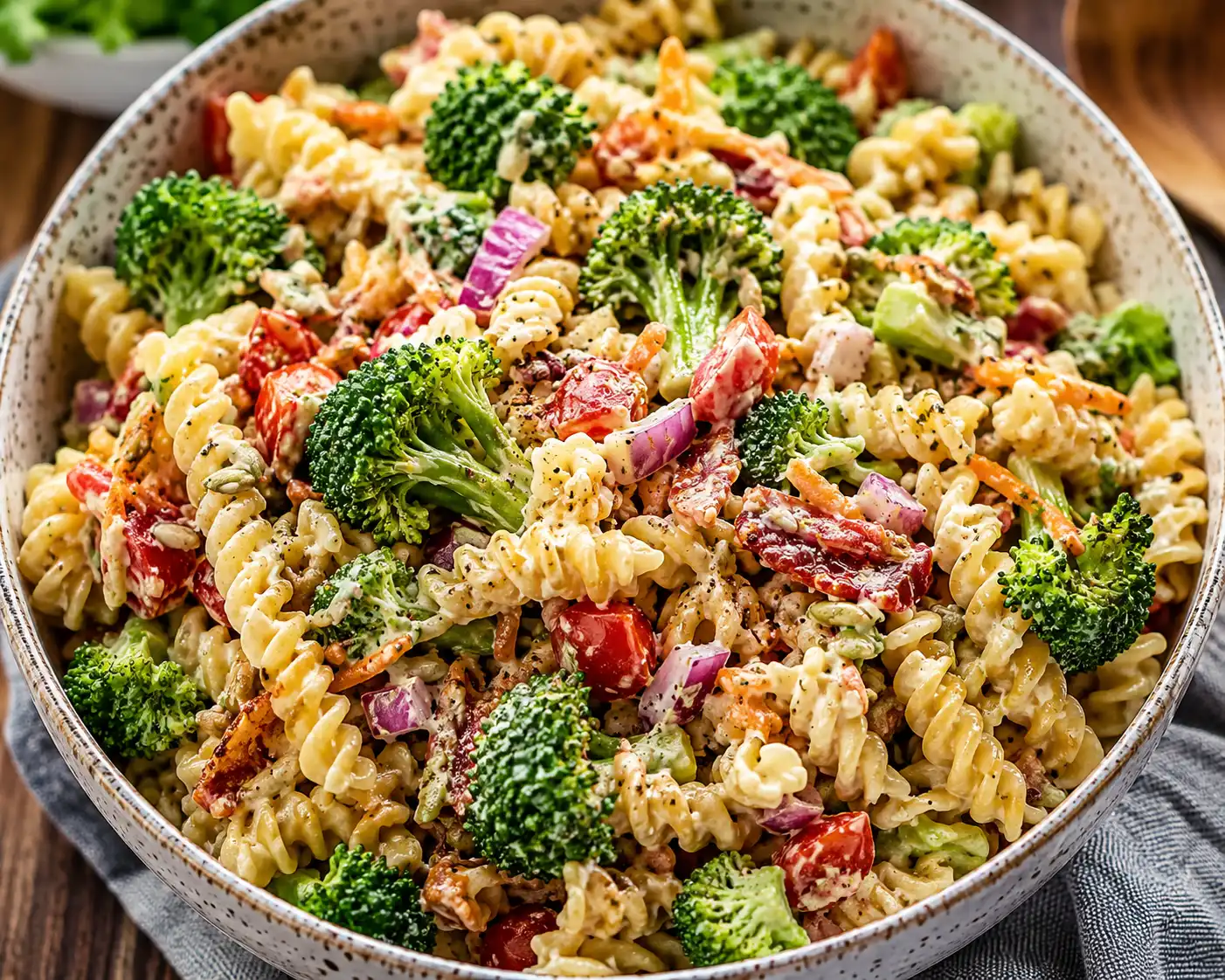
Fresh Broccoli Pasta Salad is a vibrant, nutrient-dense, and refreshingly crisp dish that effortlessly bridges the gap between comfort food and health-conscious eating. Far from the heavy, mayo-laden versions of yesteryear, today’s iteration celebrates seasonal freshness, bold textures, and balanced flavors—making it an ideal centerpiece for picnics, potlucks, weeknight dinners, or meal-prep lunches. Its versatility lies in its simplicity: tender-crisp broccoli florets, al dente pasta, crunchy vegetables, zesty dressing, and optional protein or cheese additions all harmonize into a salad that’s as satisfying to prepare as it is to savor. Whether you’re seeking a vegetarian crowd-pleaser, a gluten-free adaptation, or a make-ahead dish with staying power, this recipe delivers on flavor, nutrition, and practicality—all while highlighting broccoli not as a mere sidekick, but as the vibrant, fiber-rich star.
The History
Broccoli’s journey from ancient agronomy to modern salad bowl spans over 2,000 years. Originating in the eastern Mediterranean and cultivated extensively by the Romans—who prized it for both culinary and medicinal properties—broccoli was reintroduced to Western Europe in the 16th century via Italy. However, its integration into cold pasta salads is a distinctly mid-to-late 20th-century phenomenon, emerging alongside the rise of American “picnic cuisine” and the postwar popularity of convenience foods like packaged pasta and bottled dressings. Early versions often relied heavily on creamy, sugar-laden dressings and undercooked broccoli, resulting in soggy, monotonous textures. The turning point came in the 1980s and ’90s with the wellness movement’s emphasis on raw vegetables, whole grains, and lighter vinaigrettes—sparking culinary reinvention. Chefs and home cooks began blanching broccoli just long enough to preserve crunch and vibrancy, pairing it with short-cut pastas (like fusilli, farfalle, or rotini) that hold dressing beautifully. Today’s Fresh Broccoli Pasta Salad reflects global influences: echoes of Mediterranean olive oil and lemon, nods to Asian sesame-ginger notes, and even Latin-inspired lime-cilantro variations—all testifying to broccoli’s remarkable adaptability and enduring relevance in contemporary plant-forward cooking.
Ingredients Breakdown
Understanding each component deepens both flavor execution and nutritional impact. Below is a detailed, chef-level analysis of every ingredient—not just what goes in, but why it matters:
- Broccoli (1 large head, ~1 lb / 450g): Choose deep green, tightly packed florets with purplish tinges (a sign of high anthocyanin content), firm stalks without yellowing or woody cores, and crisp, non-wilted leaves (which are edible and nutrient-dense!). Broccoli contains sulforaphane—a heat-activated phytochemical with potent anti-inflammatory and detox-supportive properties—maximized through brief blanching followed by rapid chilling.
- Pasta (12 oz / 340g): Opt for short, ridged, or twisted shapes (e.g., fusilli, gemelli, casarecce, or whole-grain tricolor rotini) that trap dressing and provide textural contrast. Whole-grain or legume-based pastas (lentil, chickpea, or edamame) significantly boost fiber (up to 8g/serving), plant protein (12–15g), and resistant starch—supporting sustained energy and gut microbiome diversity.
- Red Onion (½ medium, finely sliced): Raw red onion contributes sharp allium bite and quercetin—a flavonoid linked to reduced oxidative stress. Soaking slices in ice water for 10 minutes mellows pungency while preserving enzymatic benefits.
- Cherry Tomatoes (1 cup, halved): Use vine-ripened, deeply colored varieties (Sun Gold, Sweet 100, or Midnight Snack) for peak lycopene bioavailability—enhanced when paired with healthy fats like olive oil.
- Crunchy Vegetables (½ cup each): Cucumber (English or Persian, seeded and julienned), shredded carrots (raw for beta-carotene retention), and thinly sliced radishes contribute hydration, enzymes (cucumisin), and peppery phytonutrients. For extra depth, add roasted red peppers or blanched sugar snap peas.
- Herbs (¼ cup fresh, chopped): Flat-leaf parsley offers chlorophyll and apiol; dill adds antispasmodic terpenes; basil contributes eugenol (anti-inflammatory). Always add herbs *after* chilling to preserve volatile oils and aroma.
- Dressing Base (⅓ cup extra-virgin olive oil): Cold-pressed, early-harvest EVOO provides heart-healthy monounsaturated fats, polyphenols (oleocanthal), and optimal smoke point for raw applications. Avoid refined or light olive oils—they lack antioxidants and flavor.
- Acid Component (3 tbsp fresh lemon juice + 1 tbsp apple cider vinegar): Lemon supplies vitamin C (enhancing non-heme iron absorption from broccoli and greens), while raw, unfiltered ACV contributes acetic acid for digestion support and subtle umami complexity.
- Aromatics & Seasonings: 2 minced garlic cloves (allicin activated upon crushing and resting 10 minutes), 1 tsp Dijon mustard (emulsifier + tang), ½ tsp toasted cumin seeds (digestive aid + earthy warmth), sea salt (for electrolyte balance), and freshly ground black pepper (piperine boosts nutrient absorption).
- Optional Enhancements: Toasted slivered almonds or pine nuts (vitamin E, magnesium); crumbled feta or goat cheese (calcium, probiotics); grilled chicken, chickpeas, or marinated tofu (complete protein); sunflower or pumpkin seeds (zinc, phytosterols); dried cranberries or golden raisins (polyphenol-rich sweetness, use sparingly).
Step-by-Step Recipe
- Prep the Broccoli (10 minutes, including chilling): Trim stem ends and separate florets into uniform 1–1.5 inch pieces. Peel tough outer layer of stems and slice thinly—don’t discard! Place florets and stems in a heatproof bowl. Bring a large pot of well-salted water (2 tbsp kosher salt per quart) to a rolling boil. Blanch broccoli for precisely 90 seconds—set a timer! Immediately drain and plunge into an ice-water bath for 2 minutes to halt cooking and lock in bright green color and crisp-tender texture. Drain thoroughly in a fine-mesh sieve, then pat *very* dry with clean kitchen towels or paper towels—excess moisture is the #1 cause of dressing dilution.
- Cook the Pasta (12–14 minutes): In the same pot (no need to wash), return water to boil. Add pasta and cook 1–2 minutes *less* than package instructions for al dente texture. Reserve ½ cup starchy pasta water before draining. Rinse pasta under cold running water for 30 seconds to remove surface starch and cool rapidly—this prevents clumping and ensures dressing adheres cleanly. Drain fully and return to pot.
- Prepare Aromatics (5 minutes): Thinly slice red onion and soak in ice water. Halve cherry tomatoes. Julienne cucumber, shred carrots, and thinly slice radishes. Mince garlic and let rest 10 minutes. Toast cumin seeds in a dry skillet over medium-low heat until fragrant (≈45 seconds), then crush lightly with mortar and pestle.
- Whisk the Dressing (3 minutes): In a small bowl, combine lemon juice, apple cider vinegar, Dijon mustard, minced garlic, toasted crushed cumin, 1 tsp sea salt, and ½ tsp black pepper. Whisk vigorously for 30 seconds to emulsify. Slowly drizzle in olive oil while whisking continuously until thick, glossy, and homogenous. Taste and adjust: more lemon for brightness, salt for depth, or a pinch of honey/maple syrup only if balancing intense acidity.
- Combine & Marinate (15 minutes minimum, up to 2 hours): In a large stainless steel or glass mixing bowl, combine cooled, dried broccoli, chilled pasta, drained red onion, tomatoes, cucumber, carrots, radishes, and fresh herbs. Pour dressing over top. Using two large spoons or silicone spatulas, gently fold from bottom up—avoid vigorous stirring which bruises delicate ingredients. Cover and refrigerate for *at least* 15 minutes to allow flavors to meld. For best results, marinate 1–2 hours—broccoli absorbs dressing beautifully without becoming waterlogged.
- Final Adjustments & Serving (2 minutes): Remove from fridge 10 minutes before serving. Taste and adjust seasoning: a final squeeze of lemon juice brightens flavors, a drizzle of high-quality olive oil adds sheen, flaky sea salt enhances perception of sweetness in vegetables. Fold in optional toasted nuts, cheese, or protein just before serving to maintain crunch and texture integrity. Serve chilled or at cool room temperature.
Tips
- Dry is Divine: Never skip thorough drying of blanched broccoli and rinsed pasta. Use triple-layered paper towels or a clean linen tea towel—moisture creates a watery, bland salad.
- Blanch with Purpose: Salt the blanching water like the sea—it seasons broccoli from within and preserves cellular structure. Under-blanching yields grassy bitterness; over-blanching turns florets mushy and dulls color.
- Pasta Water Wisdom: While rinsing cools pasta, reserve starchy water to loosen dressing if salad seems tight after chilling. Add 1 tbsp at a time, folding gently.
- Chill Smart: Refrigerate components separately if prepping ahead—combine no more than 2 hours before serving to prevent herb browning and vegetable sogginess.
- Garlic Timing Matters: Crushing and resting garlic activates allicin. Adding it to warm (not hot) dressing preserves pungency without raw harshness.
- Acid Balance: If using bottled lemon juice, add ½ tsp more salt and a pinch of sugar to compensate for lower aromatic complexity and higher acidity.
- Texture Layering: Add soft ingredients (cheese, avocado, fresh mozzarella) and delicate herbs *only* at serving. Keep crunchy elements (nuts, seeds, raw veggies) separate until final fold.
- Make-Ahead Mastery: This salad improves over 24 hours *if* broccoli is properly blanched and dried, and pasta is undercooked. Store undressed components separately; combine dressing 1 hour before serving for peak freshness.
- Serving Temperature: Serve at 45–50°F (7–10°C)—chilled enough to be refreshing, but not so cold that flavors mute. Remove from fridge 15 minutes prior to serving.
- Leftover Reinvention: Transform leftovers into a warm grain bowl: toss with sautéed mushrooms, wilted spinach, and a fried egg—or blend with Greek yogurt and herbs for a vibrant broccoli dip.
Variations and Customizations
This recipe is a master canvas—adaptable across dietary needs, cultural palates, and seasonal availability. Here’s how to reimagine it thoughtfully:
- Gluten-Free Version: Substitute certified GF pasta (brown rice, quinoa, or lentil-based). Boost texture with cooked quinoa or millet. Ensure soy sauce/tamari in dressings is GF-certified.
- Vegan & Dairy-Free: Skip cheese entirely or use nut-based feta (almond/cashew). Replace honey (if used) with maple syrup or date paste. Add hemp hearts or nutritional yeast for umami and B12.
- Mediterranean Twist: Add kalamata olives, artichoke hearts, roasted red peppers, oregano, and crumbled vegan feta. Swap lemon for orange juice and add a splash of orange zest.
- Asian-Inspired: Use soba or brown rice noodles. Dress with toasted sesame oil, rice vinegar, grated ginger, tamari, lime juice, and a touch of chili crisp. Top with scallions, edamame, and nori strips.
- Southwest Style: Incorporate black beans, corn (grilled or roasted), diced avocado, jalapeño, cilantro, and lime-cumin dressing. Add crushed tortilla chips just before serving.
- Detox-Focused: Omit pasta; replace with spiralized zucchini, julienned cabbage, and shredded beets. Boost with dandelion greens, parsley, lemon, and flaxseed oil.
- Kid-Friendly Adaptation: Steam broccoli until very tender-crisp (2 min), use fun-shaped pasta, reduce garlic, add mild cheddar cubes, and serve with a side of lemon wedges for dipping.
- Low-Carb/Keto: Replace pasta with cauliflower rice (pulse florets, steam 3 min, chill thoroughly) or shirataki noodles (rinse well, dry-fry 2 min). Increase healthy fats: avocado, macadamia nuts, olive oil.
- Protein-Powered: Add grilled shrimp, lemon-herb chicken breast, hard-boiled eggs, spiced chickpeas, or tempeh bacon crumbles. Marinate proteins in dressing residue for extra flavor.
- Seasonal Swaps: Spring: asparagus tips + peas + mint. Summer: heirloom tomatoes + basil + fresh corn. Fall: roasted delicata squash + pomegranate arils + sage. Winter: shaved Brussels sprouts + dried figs + walnuts + orange segments.
Health Considerations and Nutritional Value
A single 1.5-cup serving (approx. 280g) of Fresh Broccoli Pasta Salad—made with whole-grain pasta, EVOO, lemon, and abundant vegetables—delivers exceptional macro- and micronutrient density with thoughtful functional synergy:
- Macronutrient Profile (approx.): 380–420 kcal | 14–18g plant-based protein | 52–58g complex carbohydrates (12–15g dietary fiber) | 16–19g heart-healthy fats (mostly MUFA/PUFA) | <1g added sugar.
- Vitamin Powerhouse: Provides >200% DV vitamin C (immune support, collagen synthesis), >150% DV vitamin K (bone metabolism, blood clotting), >100% DV folate (DNA repair, prenatal health), plus significant vitamin A (from beta-carotene), vitamin E, and B6.
- Mineral-Rich: Delivers 25–30% DV calcium (especially with fortified pasta or cheese), 20% DV iron (enhanced by vitamin C), 35% DV magnesium (muscle/nerve function), plus potassium, zinc, and selenium.
- Phytonutrient Synergy: Sulforaphane (broccoli) + curcumin (optional turmeric in dressing) + piperine (black pepper) increases bioavailability 3–5x. Lycopene (tomatoes) + oleic acid (EVOO) boosts absorption by 200%. Quercetin (onion) + vitamin C amplifies antioxidant network effects.
- Gut Health Support: Resistant starch (cooled whole-grain pasta) feeds beneficial Bifidobacteria. Prebiotic fiber (broccoli, onions, garlic) nourishes microbiota. Polyphenols modulate gut-brain axis communication.
- Cardiovascular Benefits: EVOO polyphenols reduce LDL oxidation; potassium counters sodium; nitrates (from leafy greens if added) support endothelial function and blood pressure regulation.
- Considerations: Those with IBS may benefit from low-FODMAP adjustments: swap red onion for green onion tops, omit garlic or use infused oil, choose gluten-free pasta, and limit cruciferous volume. Individuals on blood thinners should maintain consistent vitamin K intake—not avoid broccoli. Sodium can be minimized by omitting added salt and using low-sodium alternatives like lemon zest or herb blends.
Ingredients
- 1 large head fresh broccoli (about 1 pound / 450g), florets and peeled stems cut into 1–1.5 inch pieces
- 12 ounces (340g) short-cut pasta (whole-grain fusilli, tricolor rotini, or legume-based pasta)
- ½ medium red onion, very thinly sliced
- 1 cup cherry tomatoes, halved
- ½ cup English cucumber, julienned and seeded
- ½ cup shredded carrots (use a box grater)
- ½ cup radishes, very thinly sliced
- ¼ cup fresh flat-leaf parsley, finely chopped
- 2 tablespoons fresh dill or basil, chopped (optional but recommended)
- ⅓ cup extra-virgin olive oil (cold-pressed, first-press)
- 3 tablespoons freshly squeezed lemon juice (about 1–2 lemons)
- 1 tablespoon raw, unfiltered apple cider vinegar
- 2 cloves garlic, minced and rested 10 minutes
- 1 teaspoon Dijon mustard (stone-ground preferred)
- 1 teaspoon toasted cumin seeds, lightly crushed
- 1 teaspoon fine sea salt (plus more to taste)
- ½ teaspoon freshly ground black pepper
- Optional additions: ⅓ cup crumbled feta or goat cheese, ⅓ cup toasted slivered almonds or pine nuts, 1 (15-oz) can low-sodium chickpeas (rinsed and drained), ½ cup grilled chicken or shrimp, 2 tablespoons dried cranberries or golden raisins
Directions
- Bring a large pot of water to a rolling boil. Add 2 tablespoons kosher salt. Prepare an ice-water bath in a large bowl.
- Add broccoli florets and stems to boiling water. Blanch for exactly 90 seconds. Drain immediately and submerge in ice water for 2 minutes. Drain thoroughly and pat completely dry with clean towels.
- In the same pot, return water to boil. Cook pasta according to package directions, reducing time by 1–2 minutes for al dente. Reserve ½ cup starchy pasta water, then drain. Rinse pasta under cold water for 30 seconds, drain fully, and return to pot.
- While pasta cooks, soak red onion slices in ice water. Halve tomatoes. Julienne cucumber, shred carrots, and slice radishes.
- In a small bowl, whisk together lemon juice, apple cider vinegar, Dijon mustard, minced garlic, crushed cumin, salt, and pepper. Slowly drizzle in olive oil while whisking constantly until emulsified and glossy.
- In a large mixing bowl, combine dried broccoli, chilled pasta, drained red onion, tomatoes, cucumber, carrots, radishes, parsley, and dill/basil.
- Pour dressing over vegetables and pasta. Gently fold from bottom up until evenly coated. Cover and refrigerate for at least 15 minutes—or ideally 1–2 hours—to allow flavors to develop.
- Before serving, taste and adjust: add a final squeeze of lemon, flaky salt, or drizzle of olive oil. Fold in optional cheese, nuts, protein, or dried fruit just before serving.
- Serve chilled or at cool room temperature. Store leftovers in an airtight container in the refrigerator for up to 4 days (dressing will continue to soften broccoli slightly—still delicious!).
FAQ
- Can I make this salad ahead of time?
- Yes—this salad is excellent for meal prep! For optimal texture, prepare components separately: blanch and dry broccoli, cook and chill pasta, chop vegetables, and make dressing up to 3 days ahead. Combine everything no more than 2 hours before serving. Undressed salad keeps beautifully for 3–4 days; dressed salad is best within 24–48 hours.
- Why do I have to blanch the broccoli instead of using it raw?
- Blanching deactivates myrosinase—the enzyme that breaks down sulforaphane too quickly—while preserving crunch and vibrant color. Raw broccoli can be overly fibrous and bitter for some palates, and blanching also reduces goitrogenic compounds slightly, making it gentler for thyroid health when consumed regularly.
- My salad turned out watery—what went wrong?
- Excess moisture is almost always due to insufficient drying after blanching or rinsing. Broccoli and pasta must be *thoroughly* patted dry—use multiple paper towels or a lint-free cloth. Also, avoid adding dressing to warm pasta, and never skip reserving starchy water (it helps bind, not thin, the dressing).
- Can I freeze this salad?
- We don’t recommend freezing. Broccoli becomes mushy and watery upon thawing, and fresh herbs lose flavor and texture. Instead, freeze individual components: cooked pasta (drained and tossed with 1 tsp oil), roasted vegetables, or cooked beans—and assemble fresh when ready.
- What’s the best pasta to use for maximum nutrition?
- Legume-based pastas (lentil, chickpea, black bean) offer the highest protein and fiber. Whole-grain durum wheat pasta provides robust B vitamins and lignans. For gluten-free, brown rice or quinoa pasta deliver clean carbs and minerals—but ensure they’re certified GF if needed.
- How do I keep the herbs from turning brown?
- Add delicate fresh herbs (parsley, dill, basil, cilantro) *after* chilling—not before. Their volatile oils degrade with prolonged cold exposure and acid. Sturdier herbs like oregano or thyme can be added earlier.
- Is this salad suitable for diabetics?
- Yes—with mindful choices. Use whole-grain or legume pasta, control portion size (¾–1 cup per serving), emphasize non-starchy vegetables, and pair with lean protein. The high fiber and healthy fats help moderate glycemic response. Monitor individual tolerance—some find even whole-grain pasta raises blood sugar.
- Can I use frozen broccoli?
- Fresh is strongly recommended. Frozen broccoli is blanched and flash-frozen, resulting in softer texture and diminished sulforaphane potential. If necessary, thaw completely, squeeze *extremely* dry, and toss with ½ tsp lemon juice and pinch of salt to revive brightness.
- What makes this dressing stay emulsified?
- Dijon mustard acts as a natural emulsifier—its mucilage binds oil and acid. Whisking vigorously while slowly drizzling oil creates tiny, stable droplets. Letting the dressing sit 10 minutes before combining helps it “set.” If separation occurs, simply re-whisk with ½ tsp mustard or a splash of pasta water.
- How can I boost the protein without meat or cheese?
- Excellent plant-based options include: ½ cup cooked lentils (9g protein), ⅔ cup shelled edamame (11g), ¼ cup hemp hearts (10g), ⅓ cup toasted pumpkin seeds (9g), or 1 cup cooked quinoa (8g). All add texture, nutrients, and satiety without compromising freshness.
Summary
Fresh Broccoli Pasta Salad is a nutritionally profound, endlessly adaptable, and culinarily rewarding dish that transforms humble ingredients into a symphony of crunch, brightness, and depth—where science meets seasonality and health harmonizes with hedonism. With proper technique—blanching for bioactive potency, drying for textural integrity, and intelligent layering of flavors—it evolves from simple picnic fare into a cornerstone of conscious, joyful eating.
Whether served poolside, packed for lunch, or plated as a vibrant main course, this salad affirms that eating well need never mean sacrificing satisfaction—and that the most powerful meals are often those rooted in reverence for real food, grown well and prepared with care.