Introduction
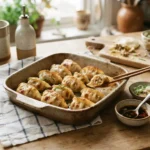
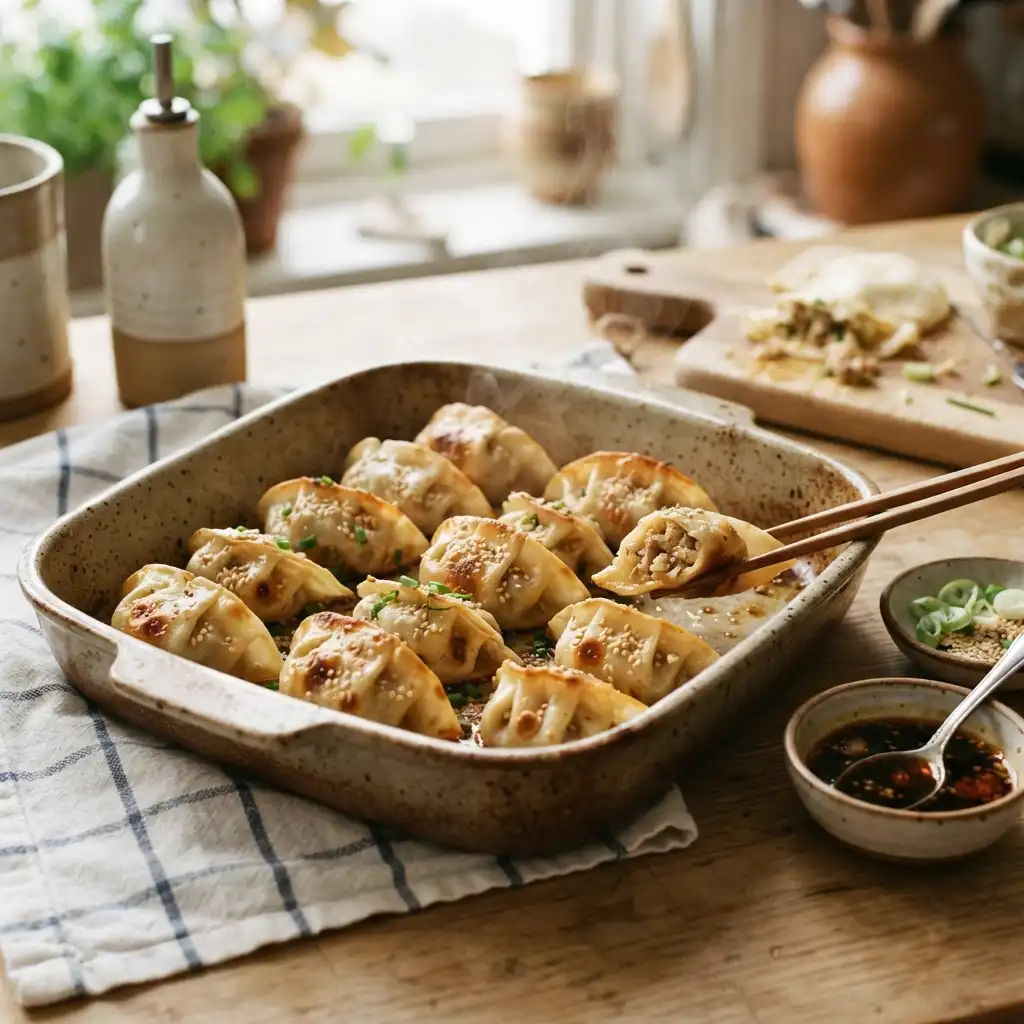
Welcome to the ultimate guide on creating perfectly Baked Dumplings. While traditional methods such as steaming, boiling, or pan-frying have dominated the culinary landscape for centuries, baking offers a unique, hands-off approach that yields consistently crispy skins and juicy interiors without the need for constant monitoring or excessive oil. This method is particularly ideal for home cooks looking to prepare large batches for parties, meal prep enthusiasts seeking healthy freezer meals, or anyone who wants the satisfaction of a crunchy dumpling without the mess of deep-frying. In this comprehensive guide, we will explore every facet of the baked dumpling experience, from the historical roots of dumpling culture to the scientific breakdown of ingredients that ensure structural integrity during the baking process. Whether you are a novice cook or a seasoned chef looking to refine your technique, this resource provides the depth and detail necessary to master the art of the oven-baked dumpling.
The History
The concept of the dumpling is ancient, with origins tracing back thousands of years across various cultures, from the jiaozi of China to the gyoza of Japan and the mandu of Korea. Historically, dumplings were created as a practical way to encase meat and vegetables in a dough wrapper, making them easy to cook over open fires or in boiling water. The evolution toward baking dumplings is a more modern adaptation, driven by the desire for convenience and health consciousness in Western kitchens during the late 20th century. As ovens became more precise and convection technology improved, cooks began experimenting with dry heat to replicate the texture of fried dumplings with significantly less fat. This method gained traction in fusion cuisine, where traditional Asian fillings were paired with Western cooking techniques. Today, baked dumplings represent a global culinary convergence, honoring traditional flavor profiles while embracing modern cooking efficiencies. They have become a staple in casual dining and home cooking, bridging the gap between authentic heritage recipes and contemporary lifestyle needs.
Ingredients Breakdown
Understanding the role of each component is crucial for achieving the perfect texture and flavor balance in baked dumplings. Below is a detailed analysis of the core ingredients:
The Wrapper
The wrapper acts as the vessel for your filling. For baking, you need a wrapper that can withstand dry heat without becoming too brittle or drying out completely. Wonton wrappers are thinner and become very crispy, similar to a cracker, while gyoza or dumpling wrappers are slightly thicker and retain more chewiness. Store-bought wrappers are convenient, but homemade dough allows for control over thickness and elasticity. The gluten structure in the wheat flour is vital; it provides the tensile strength needed to hold the filling without bursting during the expansion caused by oven heat.
The Protein
Ground pork is the traditional choice due to its fat content, which keeps the filling moist during baking. However, ground chicken, turkey, beef, or plant-based alternatives like crumbled tofu or tempeh work well. The key is the fat-to-lean ratio; a 80/20 blend is ideal for baking because the rendering fat bastes the interior of the dumpling from the inside out. Leaner meats may require the addition of oil or broth to prevent dryness.
Aromatics and Vegetables
Flavor depth comes from aromatics such as ginger, garlic, and scallions. These should be minced finely to ensure even distribution. Vegetables like napa cabbage or shiitake mushrooms add texture and umami. It is critical to salt and drain high-moisture vegetables before mixing them into the filling. Excess water can steam the wrapper from the inside, leading to soggy bottoms rather than the desired crispiness.
Binding Agents and Seasonings
To keep the filling cohesive, binders such as egg, cornstarch, or breadcrumbs are used. Soy sauce provides saltiness and color, while sesame oil adds a nutty fragrance. White pepper is often preferred over black pepper in Asian cuisine for its distinct earthy heat. A touch of sugar can help balance the salinity and promote caramelization on the wrapper surface during baking.
Step-by-Step Recipe
This section provides a narrative walkthrough of the cooking process, explaining the why behind each action to ensure success.
Phase 1: Preparation and Mise en Place
Before touching the wrappers, ensure all ingredients are prepped. Chop your vegetables, mince your aromatics, and measure your sauces. Baking requires timing, and having everything ready prevents the wrappers from drying out while you work. Preheat your oven to 400°F (200°C). This high heat is necessary to initiate the Maillard reaction quickly, creating a golden-brown crust before the interior dries out. Line a baking sheet with parchment paper or a silicone mat to prevent sticking and facilitate easy cleanup.
Phase 2: Mixing the Filling
Combine your protein, drained vegetables, aromatics, and seasonings in a large bowl. Mix vigorously in one direction. This technique helps align the protein strands, creating a bouncy, cohesive texture rather than a crumbly one. Add a small amount of water or stock to the mixture and continue mixing until the liquid is absorbed; this ensures the filling remains juicy after exposure to oven heat. Taste a small cooked portion of the filling to adjust seasoning before wrapping.
Phase 3: Assembly
Place a spoonful of filling in the center of each wrapper. Do not overfill, as the expansion of heat can cause bursting. Wet the edges of the wrapper with water using your finger or a brush. Fold the wrapper in half and press firmly to seal, ensuring no air pockets remain. Air pockets can cause uneven cooking and potential splitting. You can pleat the edges for a traditional look or simply press them flat for a half-moon shape. Place the assembled dumplings on the baking sheet, ensuring they do not touch each other.
Phase 4: The Baking Process
Brush the tops of the dumplings lightly with oil. This step is crucial for baked dumplings as it mimics the frying process, conducting heat efficiently to crisp the skin. Bake for 15 to 20 minutes. Halfway through the cooking time, rotate the tray to ensure even browning, as most home ovens have hot spots. The dumplings are done when the wrappers are golden brown and slightly blistered, and the internal temperature of the filling reaches 165°F (74°C).
Tips
- Prevent Drying: If you notice the wrappers browning too quickly before the filling is cooked, tent the baking sheet loosely with aluminum foil for the remainder of the cooking time.
- Freezing for Later: Baked dumplings freeze exceptionally well. Freeze them on the baking sheet until solid, then transfer to a freezer bag. To reheat, bake from frozen at 375°F (190°C) for an additional 5-10 minutes.
- Crispiness Hack: For extra crunch, spray the dumplings with cooking oil spray rather than brushing them. This creates a finer mist that covers more surface area evenly.
- Sealing Integrity: If the wrappers are not sticking, your water brush may be too dry. Ensure the edges are sufficiently dampened to activate the starch in the dough for a strong seal.
- Batch Cooking: Do not overcrowd the pan. Air circulation is key in baking. If the dumplings are too close, they will steam instead of bake, resulting in a soft rather than crispy texture.
- Resting Time: Let the dumplings rest for 2-3 minutes after removing them from the oven. This allows the juices in the filling to redistribute, preventing burns from escaping steam when you bite into them.
Variations and Customizations
The versatility of baked dumplings allows for endless creativity. Here are several ways to customize the recipe to fit dietary needs or flavor preferences:
Spicy Szechuan Style
Add chili oil, Szechuan peppercorns, and minced fresh chilies to the filling. Brush the tops with a mixture of spicy bean paste and oil before baking for a fiery kick.
Vegetarian and Vegan
Replace meat with a mixture of finely chopped mushrooms, carrots, glass noodles, and firm tofu. Use flax eggs or cornstarch slurry as a binder instead of chicken eggs. Ensure the wrappers are egg-free, as some brands contain egg.
Cheese and Bacon Fusion
For a Western twist, fill wrappers with a mixture of cream cheese, cheddar, and crispy bacon bits. These pair well with a ranch or sour cream dipping sauce.
Seafood Delight
Use finely chopped shrimp and scallops mixed with pork fat or oil to maintain moisture. Add water chestnuts for a refreshing crunch that complements the delicate seafood flavor.
Gluten-Free Option
Utilize rice paper wrappers or specifically labeled gluten-free dumpling skins. Note that rice paper may require a quick dip in water before filling to make it pliable, and baking times may vary slightly as they crisp faster.
Keto Friendly
Use low-carb wrappers made from almond flour or cheese-based doughs. Focus on high-fat fillings like pork belly or beef with minimal starchy vegetables.
Health Considerations and Nutritional Value
Baked dumplings are generally a healthier alternative to their deep-fried counterparts. By eliminating the submersion in oil, you significantly reduce the total fat and calorie content. A standard serving of 4-5 baked pork dumplings typically contains between 200 to 300 calories, depending on the size and filling density. The primary macronutrients include carbohydrates from the wheat wrapper, protein from the meat filling, and fats from the meat and oil brushing. Sodium levels can be high due to soy sauce and seasoning, so those monitoring blood pressure should use low-sodium soy sauce or reduce the quantity. The inclusion of vegetables adds fiber and micronutrients such as Vitamin C and potassium. For a balanced meal, pair baked dumplings with a side of steamed broccoli or a fresh cucumber salad to increase volume and nutrient density without adding significant calories.
Ingredients
For the Filling:
- 1 lb ground pork (or chicken/turkey/tofu)
- 1 cup napa cabbage, finely chopped and drained
- 3 cloves garlic, minced
- 1 tablespoon fresh ginger, grated
- 3 scallions, thinly sliced
- 2 tablespoons soy sauce (low sodium preferred)
- 1 tablespoon sesame oil
- 1 teaspoon sugar
- 1/2 teaspoon white pepper
- 1 egg (or 1 tbsp cornstarch mixed with 2 tbsp water for binding)
For the Assembly:
- 1 package dumpling or wonton wrappers (approx. 40-50 wrappers)
- 2 tablespoons vegetable oil (for brushing)
- Water (for sealing)
Directions
- Preheat your oven to 400°F (200°C) and line a large baking sheet with parchment paper.
- In a large mixing bowl, combine the ground pork, drained cabbage, garlic, ginger, scallions, soy sauce, sesame oil, sugar, white pepper, and egg.
- Mix the filling vigorously in one direction until the mixture becomes sticky and cohesive.
- Place a wrapper on a clean surface. Add approximately 1 tablespoon of filling to the center.
- Dip your finger in water and run it along the edge of the wrapper.
- Fold the wrapper in half over the filling and press the edges firmly to seal, removing any air pockets.
- Place the sealed dumpling on the prepared baking sheet. Repeat until all filling is used.
- Lightly brush the tops of the dumplings with vegetable oil.
- Bake for 15 to 20 minutes, rotating the tray halfway through, until the wrappers are golden brown and crispy.
- Remove from the oven and let cool for 3 minutes before serving with dipping sauce.
FAQ
Can I bake frozen dumplings directly?
Yes, you can bake frozen dumplings without thawing. Simply add 5 to 10 minutes to the baking time and ensure they are brushed with oil to prevent drying.
Why did my dumplings burst in the oven?
This usually happens due to overfilling or trapped air pockets. Ensure you leave enough space around the filling and press out air before sealing.
How do I store leftovers?
Store cooled dumplings in an airtight container in the refrigerator for up to 3 days. Reheat in the oven or toaster oven to maintain crispiness.
What dipping sauce goes best?
A classic mixture of soy sauce, rice vinegar, chili oil, and a touch of sugar complements the savory flavors perfectly. Black vinegar is also a traditional choice.
Can I use air fryer instead of oven?
Yes, an air fryer works excellently for this recipe. Cook at 375°F (190°C) for 10-12 minutes, shaking the basket halfway through.
Summary
Baked dumplings offer a crispy, healthy alternative to frying with minimal effort and maximum flavor versatility for any meal.
Master the technique of sealing and high-heat baking to enjoy restaurant-quality results directly from your home oven.