Introduction
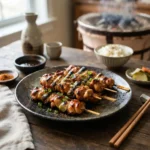
Welcome to the ultimate guide on crafting The Best Easy Japanese Chicken Yakitori right in your own kitchen. There is something profoundly satisfying about the sizzle of chicken hitting a hot grill, the smoky aroma wafting through the air, and the sweet-savory glaze caramelizing onto tender meat. Yakitori is more than just a dish; it is a cultural experience that brings people together around food, drink, and conversation. Whether you are planning a summer barbecue, looking for a quick weeknight dinner, or wanting to impress guests with authentic Japanese flavors, this recipe delivers perfection every time.
In this comprehensive guide, we will walk you through everything you need to know to master Yakitori. From understanding the deep historical roots of this street food to breaking down the science behind the perfect tare sauce, we leave no stone unturned. You will learn how to select the best cuts of chicken, how to skewer them professionally, and how to achieve that coveted char without drying out the meat. By the end of this article, you will not only have a delicious recipe but also the knowledge to customize it to your dietary needs and taste preferences. Let’s fire up the grill and dive into the world of Japanese skewers.
The History
The story of Yakitori is as rich and flavorful as the dish itself. The term “Yakitori” literally translates to “grilled bird” in Japanese, derived from the words yaki (grill) and tori (bird). While chicken is the most common protein used today, the history of meat consumption in Japan is complex. For centuries, due to Buddhist influences and imperial decrees, the consumption of four-legged animals was largely taboo in Japan. However, birds were sometimes exempt from these restrictions, making chicken a viable source of protein.
During the Edo period (1603–1867), street food culture began to flourish in bustling cities like Edo (modern-day Tokyo). Vendors would sell grilled chicken skewers to workers and travelers as a quick, affordable, and nutritious meal. However, it wasn’t until the Meiji Restoration in 1868, when Japan opened its borders to the West, that meat eating became more widely accepted and popularized. This era saw the rise of the Izakaya, traditional Japanese pubs where Yakitori became a staple accompaniment to beer and sake.
Post-World War II, Yakitori experienced another surge in popularity. During times of food scarcity, chicken was more accessible than other meats, and vendors utilized every part of the bird to minimize waste. This tradition of using various cuts—from thigh and breast to skin, liver, and hearts—continues today in authentic establishments. While traditional Yakitori shops specialize in specific cuts, the version we are making today focuses on the most popular and accessible cut: the chicken thigh, known for its juiciness and flavor. Understanding this history adds a layer of appreciation to every bite, connecting you to generations of Japanese culinary tradition.
Ingredients Breakdown
To create authentic Yakitori, understanding the role of each ingredient is crucial. This isn’t just about throwing things together; it is about balancing flavors and textures.
The Chicken
Chicken Thighs (Momo): We recommend using boneless, skin-on chicken thighs. The higher fat content in thighs ensures the meat remains moist and tender during the high-heat grilling process. The skin adds a delightful crispiness that contrasts beautifully with the soft meat. While chicken breast can be used, it tends to dry out faster and requires more careful monitoring.
The Aromatics
Japanese Scallions (Negi): Also known as leeks in some contexts, these are thicker and sweeter than standard green onions. They are traditionally cut into chunks and skewered alternating with the chicken. If you cannot find Japanese negi, large green onions are an acceptable substitute. They provide a mild oniony bite that cuts through the richness of the sauce.
The Tare Sauce
The soul of Yakitori lies in the Tare, a glazing sauce that is brushed on during cooking.
- Soy Sauce: Use high-quality Japanese soy sauce (like Kikkoman) for a balanced saltiness and umami depth.
- Mirin: This sweet rice wine adds a subtle sweetness and a glossy sheen to the sauce. It also helps tenderize the meat.
- Sake: Dry Japanese cooking sake removes unwanted odors from the chicken and adds complexity to the sauce profile.
- Sugar: Brown sugar or white sugar is used to promote caramelization. When the sugar hits the hot grill, it creates those beautiful char marks and sticky texture.
- Ginger and Garlic: Freshly grated ginger and minced garlic add a pungent kick that elevates the sauce from simple to extraordinary.
Step-by-Step Recipe
Creating the best Yakitori is a process that rewards patience and attention to detail. Follow this narrative guide to understand the flow of cooking before jumping into the specific measurements later in the post.
Phase 1: Preparation and Marination
Begin by preparing your workspace. If you are using wooden bamboo skewers, it is imperative to soak them in water for at least 30 minutes. This prevents them from burning on the grill. While the skewers soak, prepare your chicken. Cut the thighs into uniform bite-sized pieces, roughly 1.5 inches square. Uniformity is key to ensuring even cooking. Place the chicken in a bowl and lightly season with salt and pepper. Some purists argue against marinating the meat directly, preferring to salt it just before grilling to maintain the natural texture, but a light seasoning beforehand helps draw out moisture for a better sear.
Phase 2: Making the Tare
In a small saucepan, combine your soy sauce, mirin, sake, sugar, ginger, and garlic. Bring this mixture to a simmer over medium heat. You want to let it bubble gently for about 5 to 10 minutes. This reduction process thickens the sauce slightly and melds the flavors together. Be careful not to burn it, as the sugar content makes it prone to scorching. Once it coats the back of a spoon, remove it from the heat and let it cool. Reserve some of this sauce for serving later; never serve sauce that has touched raw chicken.
Phase 3: Skewering
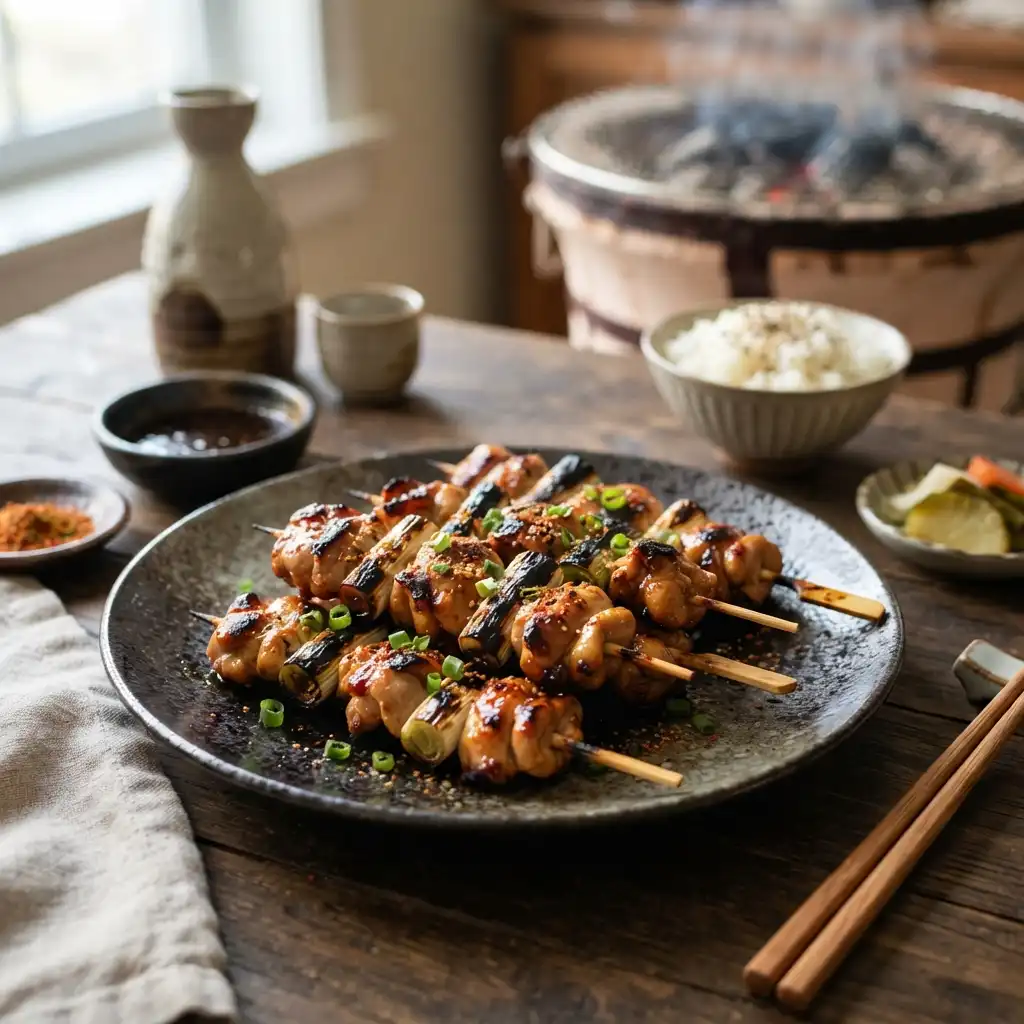
Take your soaked skewers and begin threading the chicken. For the classic Negima style, alternate between a piece of chicken and a chunk of green onion. Press the pieces close together on the skewer. This helps them cook evenly and makes flipping them on the grill much easier. If the pieces are too loose, they might spin around when you try to turn them, leading to uneven cooking. Skewer through the center of the meat to secure it firmly.
Phase 4: Grilling and Glazing
Preheat your grill, grill pan, or broiler to medium-high heat. You want high heat to sear the outside quickly while keeping the inside juicy. Oil the grates lightly to prevent sticking. Place the skewers on the heat source. Cook for about 3 to 4 minutes on the first side until you see grill marks and the edges begin to crisp. Flip the skewers and cook for another 3 minutes. Now comes the glazing. Using a basting brush, lightly coat the skewers with your prepared Tare sauce. Let it cook for a minute, then flip and baste the other side. Repeat this process once more to build up layers of glaze. Be vigilant during this stage; the sugar in the sauce can go from caramelized to burnt in seconds.
Tips
To elevate your Yakitori from good to restaurant-quality, keep these expert tips in mind:
- Soak Your Skewers: We cannot stress this enough. Dry bamboo skewers will catch fire instantly over a hot grill. Soak them in water for at least 30 minutes, or even overnight for extra safety.
- Control the Heat: Yakitori requires high heat, but if your flare-ups are too aggressive, move the skewers to a cooler part of the grill. You want a char, not a charcoal briquette.
- Double Skewer Method: For easier flipping, use two skewers parallel to each other for each serving. This prevents the meat from spinning around when you try to turn it.
- Rest the Meat: Let the skewers rest for a minute or two after taking them off the heat. This allows the juices to redistribute throughout the meat, ensuring every bite is moist.
- Separate the Sauce: Always divide your Tare sauce into two bowls. Use one for basting during cooking (which touches raw chicken juices) and keep the other pristine for dipping or drizzling at the table.
- Cut Uniformly: Inconsistent piece sizes lead to inconsistent cooking. Small pieces will dry out before large pieces are cooked through. Take your time during prep.
Variations and Customizations
While chicken thighs and green onions are the classic standard, Yakitori is incredibly versatile. Here are several ways to customize this recipe:
Different Cuts
Authentic Yakitori shops use every part of the chicken. You can try skewering chicken skin alone for a crispy delicacy, or chicken hearts for a richer flavor. Tsukune is a popular variation where ground chicken is mixed with herbs and formed into meatballs on the skewer.
Vegetable Additions
Feel free to intersperse the chicken with other vegetables. Bell peppers, zucchini rounds, mushrooms (especially shiitake), and cherry tomatoes work beautifully. These add color and nutritional value to your skewers.
Spicy Tare
For those who enjoy heat, add a teaspoon of Sriracha, Rayu (chili oil), or Shichimi Togarashi (Japanese seven-spice blend) to your sauce mixture. This creates a sweet-spicy glaze that is addictive.
Gluten-Free Option
Traditional soy sauce contains wheat. To make this recipe gluten-free, simply substitute regular soy sauce with Tamari or a certified gluten-free soy sauce. The flavor profile remains virtually identical.
Salmon Yakitori
Swap the chicken for chunks of salmon. The rich fat of the fish pairs wonderfully with the sweet soy glaze. Just be careful not to overcook the fish, as it becomes dry quickly.
Health Considerations and Nutritional Value
Yakitori can be a healthy addition to your diet when prepared mindfully. Chicken thighs are a great source of high-quality protein, essential for muscle repair and growth. They also contain important vitamins and minerals such as Vitamin B12, zinc, and iron.
Caloric Content: The primary source of calories in this dish comes from the chicken skin and the sugar in the Tare sauce. To reduce calories, you can opt for skinless chicken thighs or chicken breast, though you may sacrifice some juiciness. Reducing the amount of sugar in the sauce or using a sugar substitute like erythritol can also lower the carbohydrate count.
Sodium Levels: Soy sauce is naturally high in sodium. If you are watching your salt intake, look for low-sodium soy sauce options. You can also dilute the sauce slightly with water or increase the proportion of sake and mirin relative to the soy sauce.
Carcinogens: Grilling meat at high temperatures can produce heterocyclic amines (HCAs) and polycyclic aromatic hydrocarbons (PAHs). To minimize this, avoid charring the meat excessively. Marinating meat in acidic ingredients (like adding a bit of lemon juice to the tare) has also been shown to reduce the formation of these compounds.
Overall, when paired with a side of steamed rice and a fresh salad, Yakitori forms a balanced meal that provides protein, carbohydrates, and vegetables.
Ingredients
Here is the precise shopping list you will need to create this dish. Ensure you have all items measured and ready before you start grilling.
- Chicken: 1.5 lbs (700g) boneless, skin-on chicken thighs, cut into 1.5-inch pieces
- Vegetables: 4-5 stalks green onions or Japanese Negi, cut into 1.5-inch pieces
- Skewers: 8-10 bamboo skewers, soaked in water for 30 minutes
- Oil: 1 tablespoon vegetable or canola oil (for greasing the grill)
- Seasoning: Salt and freshly cracked black pepper to taste
- For the Tare Sauce:
- 1/2 cup Soy Sauce (Japanese preferred)
- 1/2 cup Mirin (sweet rice wine)
- 1/2 cup Sake (Japanese rice wine)
- 1/4 cup Brown Sugar (packed)
- 1 clove Garlic, minced
- 1 teaspoon Fresh Ginger, grated
- 1 teaspoon Cornstarch mixed with 1 tablespoon water (optional, for thickening)
Directions
- Prep the Skewers: Place bamboo skewers in a shallow dish and cover with water. Let them soak for at least 30 minutes to prevent burning.
- Prepare the Chicken: Pat the chicken thighs dry with paper towels. Cut into uniform 1.5-inch cubes. Season lightly with salt and pepper.
- Prepare the Vegetables: Wash the green onions and cut them into pieces roughly the same size as the chicken cubes.
- Make the Tare: In a small saucepan, combine soy sauce, mirin, sake, brown sugar, minced garlic, and grated ginger. Bring to a simmer over medium heat. Stir until sugar dissolves. Simmer for 5-7 minutes until slightly reduced. (Optional: Add cornstarch slurry now if you prefer a thicker glaze). Remove from heat and divide into two bowls.
- Assemble Skewers: Thread the chicken and green onion pieces onto the soaked skewers, alternating between meat and vegetable. Push pieces close together.
- Heat the Grill: Preheat your outdoor grill, indoor grill pan, or oven broiler to medium-high heat. Lightly oil the grates.
- Grill the Skewers: Place skewers on the grill. Cook for 3-4 minutes per side until chicken is cooked through and has nice char marks. Internal temperature should reach 165°F (74°C).
- Glaze: During the last 2 minutes of cooking, brush the skewers generously with the basting Tare sauce. Flip and brush the other side. Repeat once more for a thick glaze.
- Serve: Remove from heat. Let rest for 2 minutes. Serve immediately with the reserved clean Tare sauce for dipping and a sprinkle of Shichimi Togarashi if desired.
FAQ
Can I make Yakitori without a grill?
Yes, absolutely. You can use a grill pan on your stovetop or use your oven’s broiler function. If using the broiler, place the skewers on a wire rack over a baking sheet to allow heat to circulate evenly.
How do I store leftover Yakitori?
Store leftover skewers in an airtight container in the refrigerator for up to 3 days. To reheat, use a microwave for speed, but a quick toss in a hot pan or under the broiler will restore the crispiness better.
Can I freeze the Tare sauce?
Yes, the sauce freezes well. You can make a large batch and freeze it in ice cube trays or small containers for up to 3 months. Thaw in the refrigerator before using.
What if I don’t drink alcohol? Can I skip the Sake and Mirin?
Mirin and Sake are cooked down, evaporating most of the alcohol, but if you prefer to avoid them entirely, you can substitute Mirin with a mix of water and sugar, and substitute Sake with chicken broth or water, though the depth of flavor will be slightly different.
Why did my sauce burn?
This usually happens if the heat is too high or the sauce is applied too early. The sugar in the sauce caramelizes quickly. Apply the glaze only during the last few minutes of cooking and keep a close eye on the skewers.
Summary (in two lines)
Master the art of Japanese street food with this easy, juicy Chicken Yakitori recipe featuring a sweet-savory homemade tare glaze.
Perfect for grilling season, this dish combines tender chicken thighs and green onions for an authentic Izakaya experience at home.