Introduction
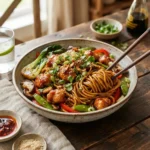
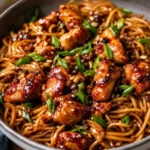
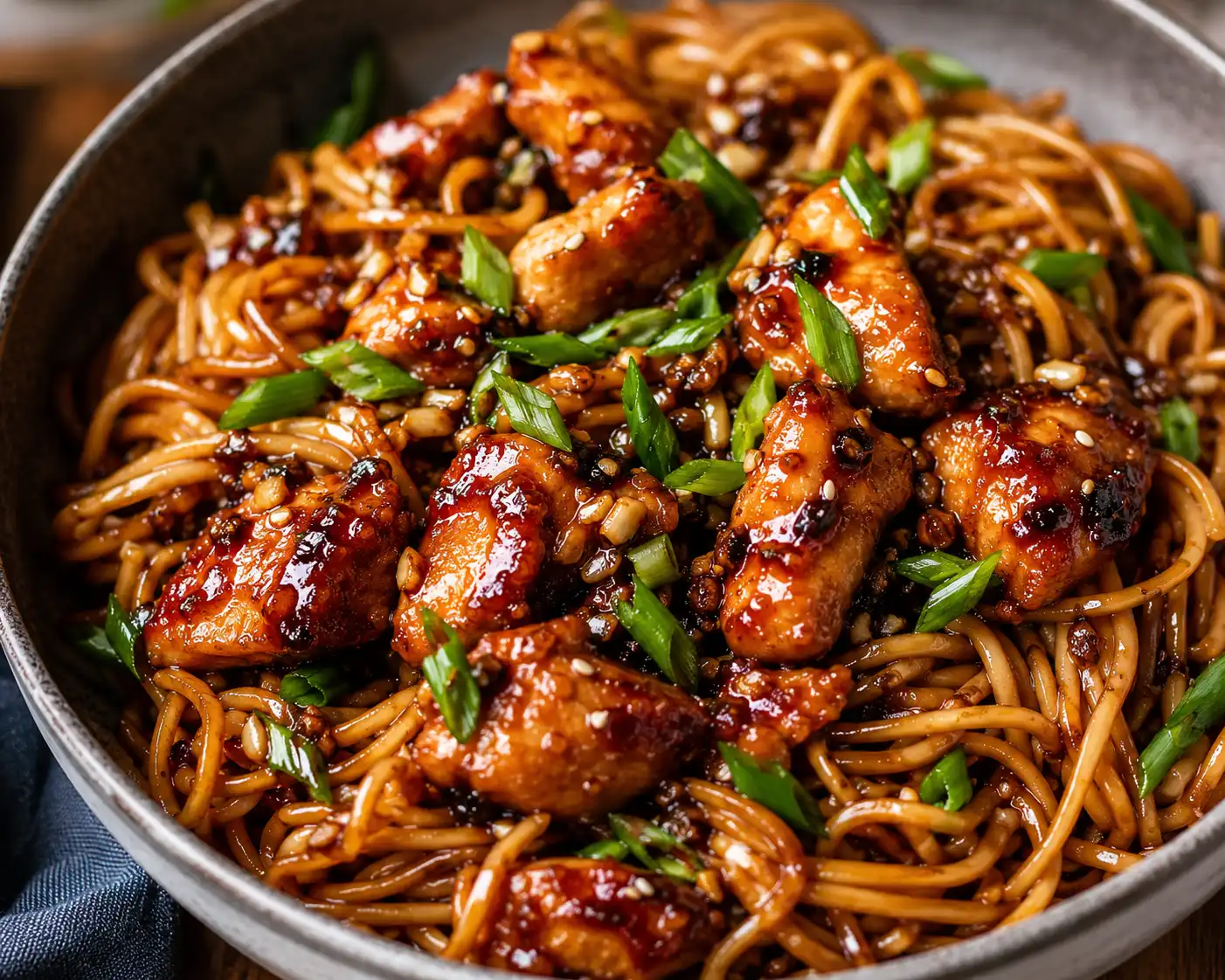
There is a specific kind of comfort food that hits all the right notes: the savory depth of umami, the punch of fresh aromatics, and that irresistible, glossy coating that clings to every bite. Sticky Garlic Chicken Noodles is that dish. It is a culinary embrace in a bowl, combining tender, bite-sized pieces of chicken with springy noodles, all tossed in a rich, amber-colored sauce that balances sweetness with a robust garlic kick. Whether you are looking for a quick weeknight dinner that feels like a restaurant treat or a meal prep option that stays delicious for days, this recipe delivers. The magic lies in the reduction of the sauce, which transforms simple pantry staples into a sticky, caramelized glaze that elevates humble ingredients into something extraordinary.
The History
While you won’t find “Sticky Garlic Chicken Noodles” on a traditional menu in Beijing or Bangkok, this dish is a celebrated star of modern fusion cuisine. It draws heavy inspiration from Chinese-American takeout classics like General Tso’s Chicken and Mongolian Beef, as well as the sticky soy-glazed dishes found in Japanese Izakayas. The concept of “sticky” cooking—using sugars like honey, brown sugar, or mirin to create a glaze—has ancient roots in Asian culinary traditions, where soy sauce and sugar were often reduced to preserve food and add flavor. In the West, this technique was adapted to suit local palates, resulting in the sweeter, thicker sauces we love today. This specific noodle variation represents the evolution of home cooking, where the convenience of noodles meets the crave-ability of a sticky stir-fry, creating a global comfort food that transcends borders.
Ingredients Breakdown
To achieve the perfect balance of flavor and texture, understanding the role of each component is key:
- The Protein (Chicken Thighs vs. Breast): While chicken breast is leaner, chicken thighs are the secret weapon for this dish. They have a higher fat content, which keeps them juicy even when seared at high heat. However, if you prefer breast, slicing it against the grain and “velveting” it with cornstarch ensures it remains tender.
- The Aromatics (Garlic and Ginger): Fresh is non-negotiable here. Jarred garlic lacks the pungent, spicy bite needed to cut through the sweetness of the sauce. Ginger adds a warm, peppery undertone that complements the garlic perfectly.
- The Sauce Base (Soy Sauce and Oyster Sauce): Soy sauce provides the salty, umami backbone. Oyster sauce is the secret to the “sticky” texture; it is naturally thick and adds a deep, savory richness that soy sauce alone cannot achieve.
- The Sweetener (Brown Sugar and Honey): We use a combination of both. Brown sugar adds a molasses depth and helps with caramelization, while honey provides a floral sweetness and helps the sauce adhere to the noodles.
- The Noodles: Ramen noodles, Udon, or even spaghetti work well. The key is choosing a noodle with enough surface area and chew to hold onto the heavy glaze without becoming mushy.
Step-by-Step Recipe
Phase 1: Preparation and Velveting
Start by slicing your chicken into uniform bite-sized pieces. In a bowl, toss the chicken with a splash of soy sauce, a teaspoon of cornstarch, and a drizzle of oil. Let this sit for 15 minutes. This process, known as velveting, creates a protective barrier that locks in moisture.
Phase 2: The Sear
Heat a large skillet or wok over medium-high heat. Add a high-smoke point oil like canola or avocado oil. Add the chicken in a single layer. Do not overcrowd the pan, or the chicken will steam instead of sear. Cook until golden brown and crispy on the edges, then remove the chicken and set it aside on a plate.
Phase 3: Building the Flavor Base
In the same pan (don’t clean it; those brown bits are flavor!), add a little more oil if needed. Toss in your minced garlic and grated ginger. Sauté for just 30 to 60 seconds until fragrant. Be careful not to burn the garlic, as it will turn bitter quickly.
Phase 4: The Glaze
Pour in your sauce mixture (soy sauce, oyster sauce, brown sugar, honey, and a splash of rice vinegar). Bring this to a simmer. As it bubbles, the sugars will begin to dissolve and the liquid will reduce. This is where the magic happens—the sauce will thicken into a syrup.
Phase 5: The Union
Add your cooked noodles and the seared chicken back into the pan. Toss everything vigorously with tongs. You want every strand of noodle and every piece of chicken to be thoroughly coated in that glossy, sticky glaze. Garnish with green onions and sesame seeds before serving.
Tips for the Perfect Dish
- Undercook the Noodles Slightly: Since the noodles will finish cooking in the hot sauce, boil them one minute less than the package instructions. This prevents them from turning into mush when tossed.
- Reserve Pasta Water: If your sauce becomes too thick or sticky before you add the noodles, add a splash of the starchy water you boiled the noodles in. It helps emulsify the sauce and makes it silkier.
- High Heat is Your Friend: Stir-frying relies on high heat to create the “wok hei” or breath of the wok. Keep the flame up to get those nice char marks on the chicken.
- Fresh Garlic Quantity: Don’t be shy with the garlic. As it cooks in the sauce, the harsh raw bite mellows out into a sweet, roasted flavor. You can easily double the amount listed in the ingredients.
Variations and Customizations
This recipe is a fantastic canvas for customization based on what you have in your fridge:
- Spicy Kick: Add a tablespoon of Chili Garlic Sauce (Sambal Oelek) or a teaspoon of red pepper flakes to the sauce mixture for a fiery version.
- Veggie Loaded: Toss in broccoli florets, sliced bell peppers, or snap peas during the last 2 minutes of cooking the chicken. They will steam slightly and retain a nice crunch.
- Protein Swap: This sauce works beautifully with shrimp, beef strips, or even crispy tofu for a vegetarian option.
- Citrus Twist: Add the zest of one orange or lime to the sauce for a bright, citrusy aroma that cuts through the richness of the soy and sugar.
Health Considerations and Nutritional Value
While delicious, this dish is energy-dense due to the carbohydrates in the noodles and the sugar in the glaze. A standard serving provides a significant amount of protein from the chicken, essential for muscle repair. To make this dish healthier, consider using whole wheat noodles or zucchini noodles (zoodles) to increase fiber content and lower the glycemic index. You can also reduce the sodium content by using low-sodium soy sauce and cutting the added brown sugar by half, relying more on the natural sweetness of the onions and garlic. Adding a large portion of steamed vegetables on the side increases the volume of the meal without adding many calories, making it more satiating.
Ingredients
- Chicken: 1 lb (450g) boneless, skinless chicken thighs, cut into bite-sized pieces
- Noodles: 12 oz (340g) ramen noodles, udon, or spaghetti
- Marinade: 1 tbsp soy sauce, 1 tsp cornstarch, 1 tsp sesame oil
- Aromatics: 6-8 cloves garlic (minced), 1 tbsp fresh ginger (grated)
- Sauce:
- 1/3 cup soy sauce (regular or low sodium)
- 3 tbsp oyster sauce
- 3 tbsp brown sugar, packed
- 2 tbsp honey
- 1 tbsp rice vinegar
- 1/4 cup water or chicken broth
- 1 tsp cornstarch (mixed with 1 tbsp water for a slurry, optional for extra thickness)
- Garnish: Sliced green onions, toasted sesame seeds, cilantro
- Cooking Oil: 2 tbsp vegetable or canola oil
Directions
- Prep the Chicken: In a medium bowl, combine chicken pieces with the marinade ingredients (1 tbsp soy sauce, 1 tsp cornstarch, 1 tsp sesame oil). Mix well and set aside for 15 minutes.
- Cook the Noodles: Boil a large pot of salted water. Cook noodles according to package directions until al dente. Drain, reserving 1/4 cup of pasta water, and set aside.
- Make the Sauce: In a small bowl, whisk together the sauce ingredients: 1/3 cup soy sauce, oyster sauce, brown sugar, honey, rice vinegar, and water. Set aside.
- Sear the Chicken: Heat 1 tablespoon of oil in a large skillet or wok over medium-high heat. Add chicken in a single layer. Cook for 4-5 minutes per side until golden brown and cooked through. Remove chicken from the pan.
- Sauté Aromatics: Add the remaining tablespoon of oil to the pan. Add minced garlic and ginger. Stir-fry for 30 seconds until fragrant.
- Simmer Sauce: Pour the sauce mixture into the pan. Bring to a simmer. If you prefer a thicker glaze, add the cornstarch slurry now. Cook for 2-3 minutes until the sauce reduces and becomes syrupy.
- Combine: Add the cooked noodles and chicken back into the pan. Toss gently to coat everything evenly. If the sauce is too thick, add a splash of the reserved pasta water.
- Serve: Remove from heat. Garnish generously with green onions and sesame seeds. Serve immediately.
FAQ
Can I make this dish ahead of time?
Yes, this dish reheats well. Store it in an airtight container in the fridge for up to 3 days. When reheating, add a splash of water to loosen the sauce, as the noodles will absorb the liquid overnight.
My sauce is too salty. How do I fix it?
If the sauce is too salty, try adding a bit more honey or brown sugar to balance it out. You can also add a squeeze of lime juice or a splash of water to dilute the intensity.
Can I use frozen chicken?
It is best to use thawed chicken for even cooking. If you must use frozen chicken, ensure it is fully thawed before marinating, otherwise, the marinade won’t penetrate, and the chicken will release too much water into the pan, preventing a good sear.
Summary
Sticky Garlic Chicken Noodles is a quick, fusion-style comfort dish featuring tender chicken and springy noodles coated in a sweet and savory soy-garlic glaze. Perfect for weeknight dinners, it balances rich umami flavors with fresh aromatics for a restaurant-quality meal at home.