Introduction
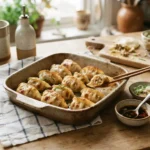
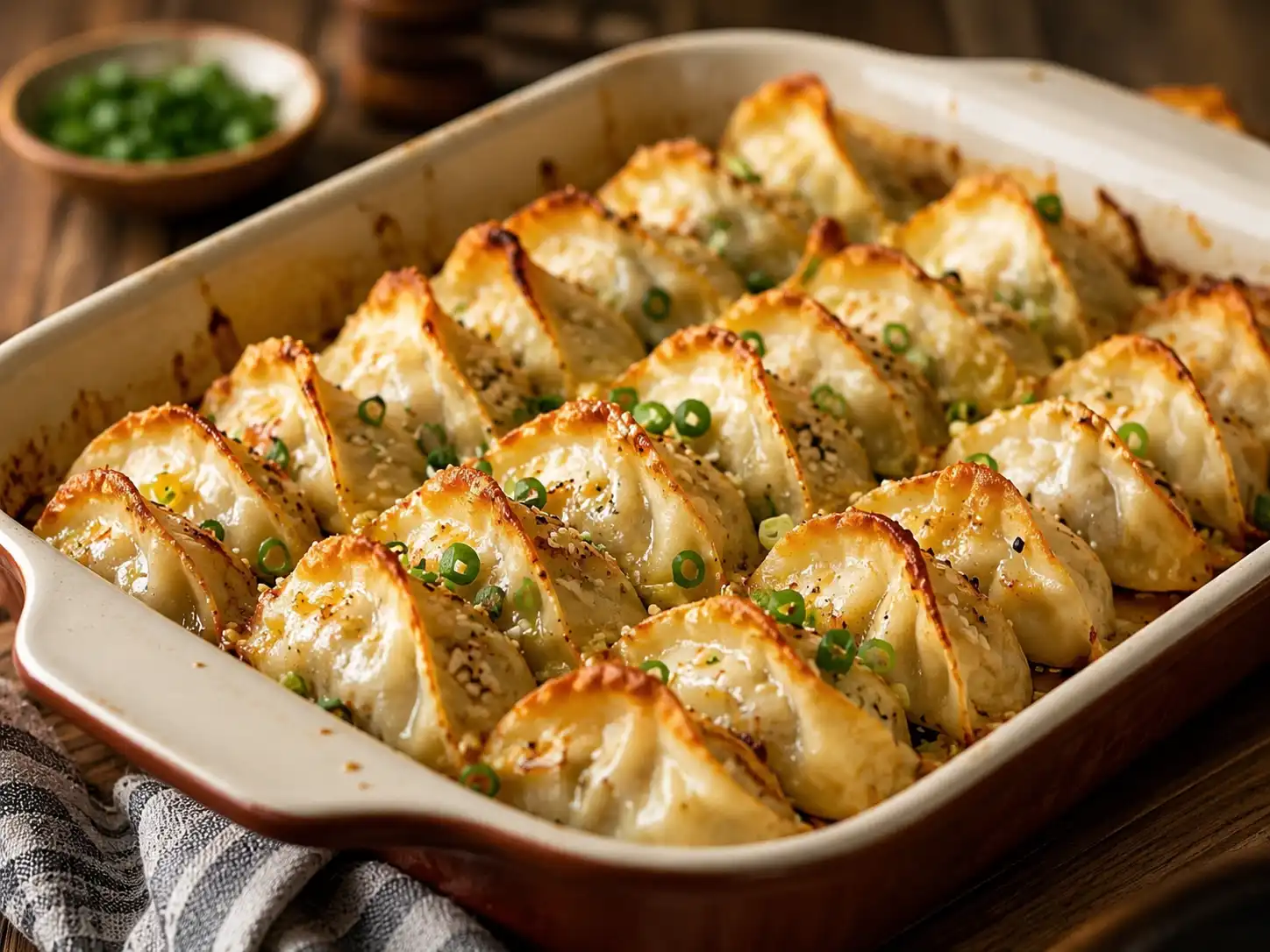
Welcome to the ultimate guide on creating perfectly crispy, golden, and flavorful Baked Dumplings. While traditional dumplings are often steamed to achieve a soft, tender texture or pan-fried for a contrasting crunch, baking them offers a unique culinary experience that combines convenience with health-conscious cooking. Baked dumplings provide an evenly cooked exterior that shatters delightfully upon biting, while maintaining a juicy, savory interior packed with aromatics and proteins. This method eliminates the need for excessive oil used in frying while avoiding the potential sogginess that can sometimes occur with steaming. Whether you are a seasoned home cook looking to expand your repertoire or a beginner eager to try your hand at Asian-inspired cuisine, this comprehensive guide will walk you through every aspect of mastering baked dumplings. From understanding the historical roots of this beloved dish to selecting the finest ingredients and troubleshooting common pitfalls, we cover everything you need to know to achieve restaurant-quality results in your own kitchen.
The History
The origins of dumplings can be traced back thousands of years, with historical evidence suggesting they were first consumed in ancient China during the Eastern Han Dynasty. Legend attributes the invention of dumplings to Zhang Zhongjing, a renowned medical practitioner who used them to treat frostbite by wrapping medicinal herbs and mutton in dough shaped like ears. Over centuries, the concept of wrapped dough filled with savory mixtures spread across Asia and eventually the globe, evolving into distinct regional varieties such as Japanese gyoza, Tibetan momos, and Korean mandu. Traditionally, these dumplings were steamed in bamboo baskets or boiled in water, methods that preserved moisture and ensured even cooking without the need for modern ovens. However, as culinary techniques modernized and health trends shifted towards lower-fat cooking methods, the concept of baking dumplings emerged. This adaptation gained significant popularity in Western households where ovens are a primary cooking appliance, allowing cooks to prepare large batches simultaneously without the need for constant monitoring required by pan-frying. The baked version represents a fusion of traditional flavor profiles with contemporary cooking convenience, bridging the gap between authentic heritage recipes and modern lifestyle needs.
Ingredients Breakdown
Understanding the role of each component in your dumpling recipe is crucial for achieving the perfect texture and flavor balance. The wrapper is the foundation, typically made from wheat flour and water, providing the structural integrity needed to hold the filling without breaking during the baking process. High-quality all-purpose flour ensures elasticity, while a small addition of cornstarch can enhance the crispiness of the exterior when baked. The filling usually consists of a protein base, such as ground pork, chicken, or shrimp, which provides richness and umami depth. To prevent the filling from becoming too dense, finely chopped vegetables like napa cabbage, scallions, and carrots are added to introduce moisture and crunch. Aromatics such as fresh ginger and garlic are essential for building a fragrant backbone that complements the savory meats. Binding agents like egg whites or cornstarch slurry help hold the filling together, ensuring it remains cohesive inside the wrapper. Seasonings including soy sauce, sesame oil, and white pepper add layers of complexity, while a touch of sugar can balance the saltiness and enhance caramelization during baking. Finally, a light brushing of oil on the dumpling surface before baking is critical for achieving that signature golden-brown color and crispy finish.
Step-by-Step Recipe
Creating baked dumplings is a methodical process that rewards patience and attention to detail. Begin by preparing your workspace with all ingredients measured and ready, known as mise en place, to ensure a smooth workflow. Start with the filling by combining your chosen protein with finely minced vegetables in a large mixing bowl. Add your seasonings, aromatics, and binding agents, then mix vigorously in one direction to develop the proteins and create a sticky texture that holds together well. Once the filling is homogeneous, cover it and let it rest in the refrigerator for at least thirty minutes to allow the flavors to meld. Next, prepare your wrappers by laying them out on a clean surface and keeping them covered with a damp cloth to prevent drying. Place a measured amount of filling in the center of each wrapper, being careful not to overstuff which can lead to bursting during baking. Pleat the edges carefully to seal the dumpling tightly, ensuring no air pockets remain inside. Arrange the sealed dumplings on a baking sheet lined with parchment paper, leaving space between each piece for air circulation. Brush the tops lightly with oil to promote browning. Preheat your oven to a high temperature, typically around 400 degrees Fahrenheit, to ensure rapid crisping. Bake until the wrappers are golden and the filling reaches a safe internal temperature. Allow them to cool slightly before serving to let the juices settle.
Tips
- Prevent Drying: Always keep unused wrappers covered with a damp kitchen towel to prevent them from becoming brittle and cracking during folding.
- Even Sizing: Use a cookie scoop or measuring spoon to portion the filling consistently, ensuring all dumplings cook at the same rate.
- Seal Tightly: Press the edges firmly when sealing to prevent the dumplings from opening up and leaking juices during the baking process.
- Oven Rack Position: Place the baking sheet on the middle rack for even heat distribution, or move it to the upper rack for the last few minutes for extra browning.
- Freezing for Later: Baked dumplings freeze exceptionally well; flash freeze them on a tray before transferring to a bag to prevent them from sticking together.
- Reheating: To restore crispiness, reheat leftover baked dumplings in an oven or air fryer rather than a microwave, which can make the wrappers chewy.
- Oil Selection: Use an oil with a high smoke point like avocado or canola oil for baking, reserving sesame oil for finishing due to its lower smoke point.
- Vegetable Prep: Salt and drain watery vegetables like cabbage before adding them to the filling to prevent the wrappers from becoming soggy.
Variations and Customizations
The versatility of baked dumplings allows for endless customization to suit dietary preferences and flavor profiles. For a vegetarian or vegan option, substitute meat with crumbled tofu, tempeh, or a mixture of mushrooms and lentils, using flax eggs as a binder instead of chicken eggs. Gluten-free adaptations can be made by using wrappers crafted from rice flour or tapioca starch, though care must be taken as these may be more delicate to handle. Protein variations are extensive; try using ground turkey for a lighter option, finely chopped shrimp for a seafood twist, or duck for a richer, more luxurious flavor. Spice levels can be adjusted by incorporating chili garlic sauce, Sichuan peppercorns, or fresh jalapeños into the filling mixture. For a fusion approach, consider adding ingredients like kimchi for a Korean-inspired kick, or curry powder for an Indian-Chinese hybrid flavor. Dipping sauces also offer a canvas for customization; classic soy vinegar blends can be enhanced with crushed peanuts, cilantro, or a drizzle of chili oil. You can even experiment with sweet fillings using red bean paste or fruit for a dessert-style baked dumpling, transforming the dish from an appetizer to a sweet treat.
Health Considerations and Nutritional Value
Baked dumplings present a healthier alternative to their deep-fried counterparts, significantly reducing the overall fat and calorie content while preserving taste. By eliminating the need for submerging the dumplings in hot oil, you reduce the absorption of unnecessary lipids, making this dish more heart-friendly. The nutritional profile largely depends on the filling choices; lean proteins like chicken breast or shrimp lower the saturated fat content compared to fatty pork belly. Incorporating a high volume of vegetables increases the fiber content and adds essential vitamins and minerals such as Vitamin C, Vitamin K, and potassium. However, sodium levels can be high due to soy sauce and other seasonings, so those monitoring salt intake should consider using low-sodium soy sauce or reducing the quantity added. The carbohydrate content comes primarily from the wheat wrappers, which provide energy but may need moderation for low-carb diets. Overall, when portioned correctly and paired with a side of steamed vegetables or a fresh salad, baked dumplings can be part of a balanced, nutrient-dense meal plan that satisfies cravings without compromising health goals.
Ingredients
- 1 package of round dumpling wrappers (approximately 30 pieces)
- 1 pound ground pork or chicken (or plant-based alternative)
- 1 cup napa cabbage, finely chopped and drained
- 3 cloves garlic, minced
- 1 tablespoon fresh ginger, grated
- 2 tablespoons soy sauce (low sodium preferred)
- 1 tablespoon sesame oil
- 1 teaspoon sugar
- 1/2 teaspoon white pepper
- 1 egg white (for binding)
- 2 tablespoons vegetable oil (for brushing)
- 2 tablespoons cornstarch (mixed with water for slurry if needed)
- Fresh scallions for garnish
Directions
- Preheat your oven to 400°F (200°C) and line a large baking sheet with parchment paper.
- In a large bowl, combine the ground meat, chopped cabbage, garlic, ginger, soy sauce, sesame oil, sugar, white pepper, and egg white.
- Mix the filling vigorously until it becomes sticky and well-combined, then refrigerate for 30 minutes.
- Place a dumpling wrapper on your palm and add about one tablespoon of filling to the center.
- Moisten the edges of the wrapper with water, fold in half, and pleat the edges to seal tightly.
- Place the sealed dumplings on the prepared baking sheet, ensuring they do not touch each other.
- Lightly brush the tops of the dumplings with vegetable oil to encourage browning.
- Bake for 15 to 20 minutes, or until the wrappers are golden brown and the filling is cooked through.
- Remove from the oven and let cool for 5 minutes before garnishing with scallions and serving.
FAQ
Can I bake frozen dumplings directly?
Yes, you can bake frozen dumplings without thawing them first. Simply add an extra 5 to 10 minutes to the baking time and ensure they are brushed with oil to prevent drying out.
Why did my dumplings burst in the oven?
Bursting usually occurs due to overstuffing the wrapper or failing to seal the edges tightly. Ensure there is enough space around the filling for the wrapper to expand slightly.
How do I make the wrappers crispier?
For extra crispiness, you can spray the dumplings with cooking oil spray before baking or switch to the broiler setting for the last 2 minutes of cooking, watching closely to prevent burning.
Can I use store-bought wrappers?
Absolutely. Store-bought wrappers are convenient and work perfectly for baking. Just keep them moist until you are ready to use them to prevent cracking.
What dipping sauce goes best?
A classic mix of soy sauce, rice vinegar, chili oil, and a touch of sugar complements the savory flavors of baked dumplings perfectly.
Summary
Baked dumplings offer a crispy, healthy alternative to frying while retaining traditional savory flavors through careful ingredient selection and high-heat cooking. By following proper sealing techniques and seasoning balances, you can create a delicious appetizer or meal that suits various dietary needs and preferences.