Introduction
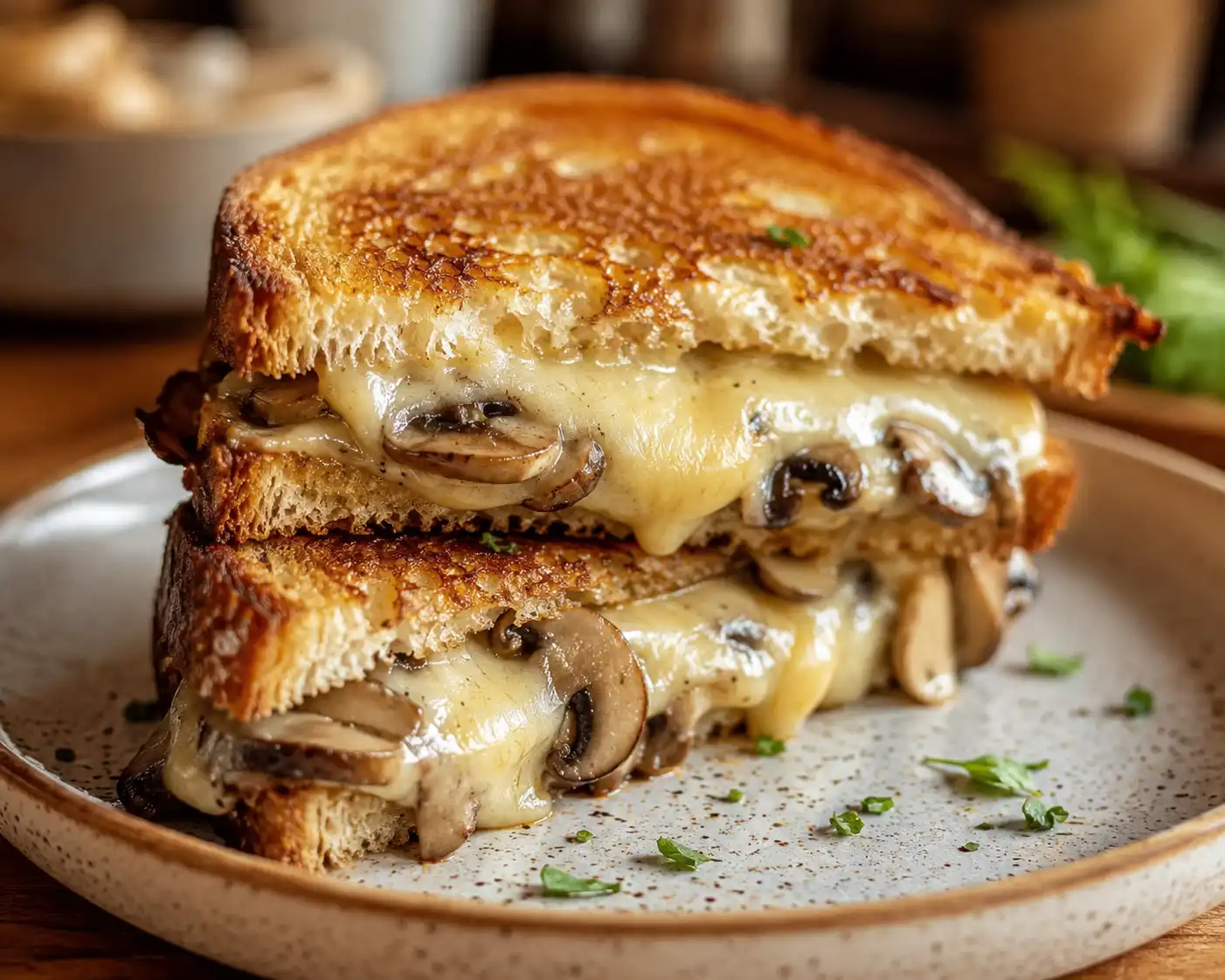
There are few culinary experiences quite as comforting as the sound of cheese bubbling under a broiler, melding perfectly with savory, sautéed mushrooms on a slice of toasted bread. The Easy Swiss Mushroom Melt is not merely a sandwich; it is a warm embrace on a plate, a testament to the power of simple ingredients executed with care. This dish strikes the perfect balance between earthy umami flavors from the mushrooms and the nutty, creamy richness of melted Swiss cheese. Whether you are looking for a quick weeknight lunch, a satisfying late-night snack, or a nostalgic dish that reminds you of classic diner fare, this recipe delivers consistent deliciousness without requiring advanced culinary skills. In this comprehensive guide, we will explore every facet of creating the perfect Swiss Mushroom Melt, from the historical origins of the melt sandwich to the scientific reasons why certain mushrooms work better than others. We will delve into nutritional profiles, offer extensive customization options for dietary needs, and provide professional tips to ensure your bread stays crisp while your cheese achieves that perfect golden-brown finish. Prepare to elevate your sandwich game with this deep dive into one of the most beloved comfort foods in the American repertoire.
The History
The concept of the “melt” sandwich is deeply rooted in American diner culture, particularly gaining traction during the mid-20th century. While open-faced sandwiches have existed in various forms across European cultures for centuries, the specific iteration of the mushroom melt became a staple in United States restaurants during the 1960s and 1970s. This era saw a rise in the popularity of Swiss cheese, which was marketed as a sophisticated yet accessible option compared to standard American cheddar. The mushroom melt emerged as a vegetarian-friendly option in an era when meatless meals were less common, offering a hearty texture and savory depth that satisfied even avid meat-eaters. The choice of Swiss cheese, specifically Emmental or Jarlsberg, was intentional; these cheeses possess excellent melting properties and a distinct flavor profile that complements the earthiness of fungi without overpowering them. Over the decades, the recipe has evolved from a simple diner special to a gourmet pub favorite, with chefs experimenting with sourdough bases, wild mushroom blends, and artisanal cheese selections. Despite these modern twists, the core identity of the Swiss Mushroom Melt remains unchanged: it is a celebration of simplicity, relying on the Maillard reaction of toasted bread and the caramelization of mushrooms to create a complex flavor profile from humble beginnings.
Ingredients Breakdown
Understanding the role of each component in this recipe is crucial for achieving the best possible result. Each ingredient serves a specific functional and flavor purpose that contributes to the overall harmony of the dish.
The Mushrooms
While white button mushrooms are the most common and affordable choice, cremini (baby bella) mushrooms offer a deeper, earthier flavor profile due to their higher moisture content and mature spore development. For a truly gourmet experience, a blend of shiitake and oyster mushrooms can add layers of texture and umami. It is essential to clean mushrooms properly; wiping them with a damp cloth is preferred over washing them under running water, as mushrooms act like sponges and can become soggy if they absorb too much liquid before cooking.
The Cheese
Authentic Swiss cheese, such as Emmental, is characterized by its distinctive holes and nutty taste. However, domestic Swiss cheese found in supermarkets is often milder and melts more uniformly. Jarlsberg is a excellent Norwegian alternative that offers a similar flavor profile with superior melting capabilities. The fat content in the cheese is vital; low-fat versions often contain stabilizers that prevent the cheese from melting smoothly, resulting in a greasy or rubbery texture. For the best pull and creaminess, full-fat sliced or shredded Swiss cheese is recommended.
The Bread
The structural integrity of the sandwich relies heavily on the bread. Sourdough is a top choice because its tangy flavor cuts through the richness of the cheese, and its sturdy crust holds up well against the moisture of the mushrooms. Rye bread offers a traditional pairing that complements the earthiness of the mushrooms, while Texas toast provides a thick, fluffy base that absorbs flavors without falling apart. Avoid soft, pre-sliced sandwich bread as it may become too soggy under the broiler.
The Aromatics and Fats
Butter is the preferred fat for sautéing mushrooms because the milk solids brown beautifully, adding a nutty flavor that oil cannot replicate. However, a combination of butter and olive oil can prevent the butter from burning at high heat. Fresh thyme is the classic herb pairing for mushrooms, providing a floral note that enhances the earthy flavors. Garlic should be added towards the end of the sautéing process to prevent burning, which can introduce a bitter taste to the entire dish.
Step-by-Step Recipe
Creating the perfect Swiss Mushroom Melt requires attention to timing and heat management. Follow these detailed steps to ensure a restaurant-quality result at home.
Phase 1: Preparation
Begin by preheating your oven broiler to high. Position the oven rack so that the top of the bread will be about 4 to 6 inches from the heating element. This distance is critical; too close, and the bread will burn before the cheese melts; too far, and the cheese will not bubble properly. While the oven heats, slice your mushrooms uniformly to ensure even cooking. Uniform slices prevent some pieces from being undercooked while others become shriveled and dry. Slice your bread if it is not pre-sliced, aiming for thicknesses of about half an inch to provide a sturdy base.
Phase 2: Sautéing the Mushrooms
Heat a large skillet over medium-high heat and add your butter or oil combination. Once the butter foams and subsides, add the mushrooms in a single layer. It is tempting to stir them immediately, but resist the urge. Allow the mushrooms to sit undisturbed for a few minutes to develop a golden-brown sear. This caramelization is where the flavor develops. Once browned, stir and continue cooking until all moisture has evaporated and the mushrooms are tender. Add minced garlic, salt, pepper, and fresh thyme during the last minute of cooking. Remove from heat immediately to prevent the garlic from burning.
Phase 3: Assembly and Broiling
Arrange your bread slices on a baking sheet lined with parchment paper or foil for easy cleanup. If you prefer a crunchier texture, you can lightly toast the bread in the oven for one minute before adding toppings. Divide the mushroom mixture evenly among the bread slices, ensuring there is a generous layer on each. Top generously with Swiss cheese, allowing some of the cheese to hang over the edges where it can crisp up against the pan. Place the baking sheet under the broiler. Watch closely, as this process usually takes only 2 to 4 minutes. The goal is to have the cheese fully melted with slight golden spots on top. Remove from the oven and let rest for one minute before serving to allow the cheese to set slightly, preventing it from sliding off when bitten.
Tips
- Prevent Soggy Bread: The moisture from the mushrooms is the enemy of crisp bread. Ensure you cook the mushrooms until all released liquid has evaporated before placing them on the bread. Additionally, brushing the bread with a thin layer of butter before adding toppings can create a moisture barrier.
- Room Temperature Cheese: Take your cheese out of the refrigerator 15 minutes before cooking. Cold cheese takes longer to melt, which increases the risk of burning the bread underneath while waiting for the cheese to soften.
- Don’t Crowd the Pan: When sautéing mushrooms, overcrowding the skillet leads to steaming rather than searing. Cook in batches if necessary to ensure proper browning and flavor development.
- Acid Balance: A tiny splash of white wine or lemon juice added to the mushrooms while cooking can brighten the flavor profile and cut through the heaviness of the cheese.
- Broiler Watch: Never walk away from the oven when the broiler is on. The difference between perfectly melted cheese and burnt charcoal can happen in less than 30 seconds.
Variations and Customizations
The beauty of the Swiss Mushroom Melt lies in its versatility. You can easily adapt this recipe to suit various dietary preferences or flavor cravings.
Protein Additions
For non-vegetarians, adding thinly sliced ham, turkey, or crispy bacon transforms this into a heartier meal known as a “Monte Cristo” variant or a club melt. Grilled chicken strips also pair wonderfully with the Swiss and mushroom combination, adding lean protein without altering the flavor profile drastically.
Cheese Substitutes
While Swiss is traditional, Gruyere offers a more intense, salty nuttiness that pairs beautifully with wild mushrooms. Provolone can be used for a milder, stretchier melt, while Fontina provides a creamy, buttery texture. For a spicy kick, pepper jack cheese can be mixed with Swiss to add heat.
Dietary Adjustments
To make this recipe gluten-free, simply substitute the bread with a high-quality gluten-free loaf or use large portobello mushroom caps as the base instead of bread. For a dairy-free version, utilize plant-based Swiss cheese alternatives available in most grocery stores, keeping in mind that melting times may vary. Vegan butter should be used for sautéing to keep the dish entirely plant-based.
Vegetable Enhancements
Caramelized onions are a classic addition that adds sweetness to balance the savory mushrooms. Sautéed spinach or arugula can be added on top of the cheese before broiling for a nutrient boost and a pop of color. Roasted red peppers also provide a sweet and smoky element that complements the earthiness of the dish.
Health Considerations and Nutritional Value
While the Swiss Mushroom Melt is a comfort food, it can be part of a balanced diet when consumed in moderation. Mushrooms are low in calories and fat-free, yet they are rich in essential nutrients. They are one of the few non-animal sources of vitamin D, especially if exposed to ultraviolet light during growth. They also provide B vitamins, selenium, and potassium. Swiss cheese contributes significant protein and calcium, which are vital for bone health and muscle repair. However, the cheese and butter do add saturated fat and sodium to the dish. A standard serving containing two slices of bread, two ounces of cheese, and a cup of mushrooms can range between 400 to 600 calories depending on the specific ingredients used. To reduce the calorie count, consider using open-faced servings (one slice of bread instead of a sandwich), opting for low-sodium cheese, or increasing the ratio of mushrooms to cheese. The fiber content from the bread and mushrooms aids in digestion, making this a relatively satiating meal that can prevent overeating later in the day.
Ingredients
- 4 slices of sturdy bread (Sourdough, Rye, or Texas Toast)
- 8 ounces of fresh mushrooms (Cremini or Button), sliced
- 4 slices of Swiss Cheese (or 1 cup shredded)
- 2 tablespoons of unsalted butter
- 1 tablespoon of olive oil
- 2 cloves of garlic, minced
- 1 teaspoon of fresh thyme leaves (or 1/2 teaspoon dried)
- Salt and black pepper to taste
- Optional: 1 tablespoon of white wine or lemon juice
- Optional: Fresh parsley for garnish
Directions
- Preheat your oven broiler to high and position the rack 4 to 6 inches from the heat source.
- Clean the mushrooms with a damp cloth and slice them evenly into quarter-inch thick pieces.
- In a large skillet, heat the butter and olive oil over medium-high heat until the butter foams.
- Add the mushrooms to the skillet in a single layer. Cook without stirring for 3 minutes to allow browning.
- Stir the mushrooms and continue cooking for another 5 to 7 minutes until all liquid has evaporated and they are golden brown.
- Add the minced garlic, thyme, salt, pepper, and optional wine during the last minute of cooking. Stir well and remove from heat.
- Place the bread slices on a baking sheet lined with foil or parchment paper.
- Divide the mushroom mixture evenly among the bread slices, spreading it to the edges.
- Top each slice with a generous layer of Swiss cheese.
- Place the baking sheet under the broiler and cook for 2 to 4 minutes, watching closely until the cheese is melted and bubbly with slight browning.
- Remove from the oven, let cool for one minute, garnish with parsley if desired, and serve immediately.
FAQ
Can I make this sandwich ahead of time?
It is best served immediately while the cheese is hot and the bread is crisp. However, you can sauté the mushrooms up to two days in advance and store them in an airtight container in the refrigerator. Reheat the mushrooms before assembling and broiling.
Why is my bread soggy?
This usually happens if the mushrooms were not cooked long enough to release their moisture. Ensure you sauté until the pan is dry. You can also toast the bread lightly before adding the toppings to create a barrier.
What is the best substitute for Swiss cheese?
Gruyere is the closest in flavor and melting quality. Provolone or Mozzarella can be used for a milder taste, though the flavor profile will shift away from the traditional nutty essence.
Can I freeze Swiss Mushroom Melts?
Freezing is not recommended as the bread will become tough and the cheese may separate upon reheating. This dish is best enjoyed fresh.
How do I make this keto-friendly?
Replace the bread with a large portobello mushroom cap or a slice of keto-friendly cloud bread. Ensure you use full-fat cheese and butter to maintain the macronutrient ratio.
Summary (in two lines)
The Easy Swiss Mushroom Melt is a timeless comfort food featuring earthy sautéed mushrooms and nutty Swiss cheese on toasted bread.
Perfect for a quick meal, it balances rich flavors with simple preparation for a satisfying culinary experience.