Introduction
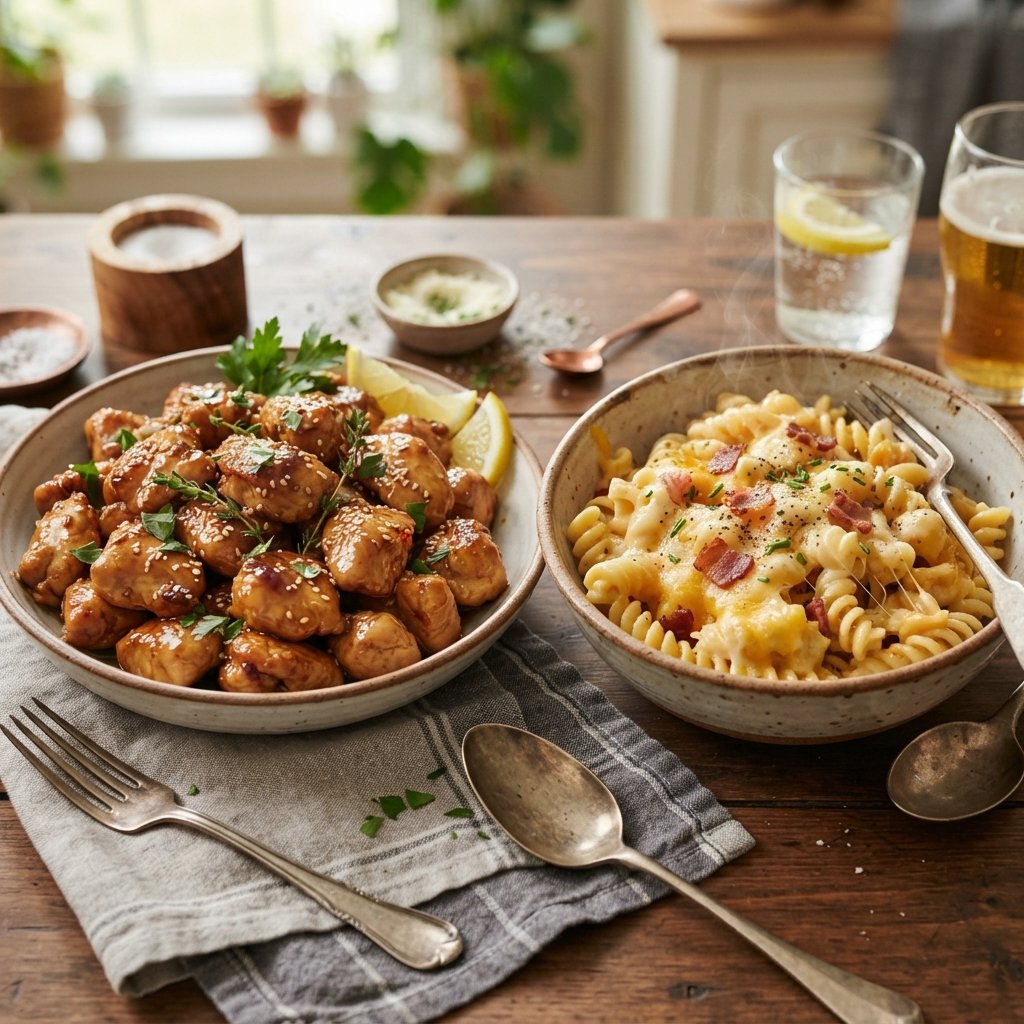
There are few culinary experiences that rival the comfort of a warm, hearty meal that perfectly balances sweet, savory, and creamy elements all on one plate. The Irresistible Honey Butter Garlic Chicken Bites with Cheesy Pasta is not merely a dinner option; it is a celebration of flavor profiles that have been cherished across generations. Imagine tender, bite-sized pieces of chicken, seared to golden perfection, coated in a glossy, aromatic sauce made from rich butter, pungent fresh garlic, and golden honey. Now, pair that with a bed of pasta smothered in a velvety, decadent cheese sauce that clings to every noodle. This dish has rapidly become a staple in home kitchens and family gatherings alike, offering a level of satisfaction that transcends the ordinary weeknight meal.
The appeal lies in the contrast of textures and tastes. The chicken bites provide a slight caramelized exterior with a juicy interior, while the honey butter garlic glaze offers a sticky sweetness that is immediately cut by the savory depth of the garlic and the richness of the butter. When introduced to the cheesy pasta, the dish achieves a harmonious unity. The cheese sauce adds a creamy lubricity that allows the flavorful chicken to glide smoothly, ensuring every forkful is packed with intensity. Whether you are cooking for a busy family, hosting a casual dinner party, or simply treating yourself to a well-deserved comfort meal, this recipe promises to deliver an unforgettable dining experience that leaves everyone asking for seconds.
The History
The origins of honey garlic chicken can be traced back to the fusion of Asian culinary traditions with Western comfort food preferences. Honey and garlic have been used together in marinades and glazes for centuries in various cultures, particularly in Chinese and Korean cuisines, where the balance of sweet and savory is a fundamental principle of cooking. The specific iteration of “honey garlic chicken” gained massive popularity in North American takeout restaurants during the late 20th century, evolving from traditional soy-based glazes to a sweeter, butter-infused version that appealed to a broader palate.
The concept of serving chicken in “bites” rather than whole breasts or thighs is a modern adaptation designed for convenience and portion control. It allows for faster cooking times and greater surface area for the sauce to adhere to, maximizing flavor in every mouthful. The addition of cheesy pasta is a nod to Western comfort food traditions, specifically drawing inspiration from American macaroni and cheese and Italian Alfredo styles. By merging the Asian-inspired glaze with European-style creamy pasta, this dish represents a true global fusion. It highlights how modern cooking has moved away from rigid culinary boundaries, allowing home cooks to experiment with combining distinct flavor profiles to create something uniquely satisfying and historically rich in its eclectic roots.
Ingredients Breakdown
To truly master this dish, one must understand the role each component plays in the final flavor profile. It is not enough to simply throw ingredients into a pan; understanding the chemistry and quality of each item ensures a superior result.
The Chicken
Chicken Thighs vs. Breasts: While chicken breasts are leaner, boneless skinless chicken thighs are highly recommended for this recipe. Thighs have a higher fat content, which keeps them moist during the high-heat searing process required for the glaze. They are more forgiving and less likely to dry out, ensuring the “bites” remain tender.
The Glaze Components
Honey: The quality of honey matters. Raw, unfiltered honey provides a deeper floral note compared to processed commercial honey. It acts as the sweetener and the binding agent that creates the sticky glaze when heated.
Butter: Unsalted butter is preferred so you can control the sodium levels, but salted butter can be used if you reduce added salt elsewhere. Butter provides the fat necessary to carry the flavor of the garlic and creates the emulsion for the sauce.
Garlic: Fresh garlic cloves are non-negotiable. Jarred minced garlic often contains preservatives and water that can dilute the sauce. Freshly minced garlic releases allicin, providing that sharp, aromatic punch that defines the dish.
Soy Sauce: This adds the necessary umami and saltiness to balance the sweetness of the honey. Low-sodium soy sauce is recommended to prevent the dish from becoming overly salty.
The Cheesy Pasta
Pasta Shape: Short pasta shapes like penne, fusilli, or farfalle are ideal because their nooks and crannies trap the cheese sauce better than long strands like spaghetti.
Cheese Selection: A combination of cheeses works best. Sharp cheddar provides flavor, while mozzarella provides the stretch and melt. Using freshly grated cheese rather than pre-packaged bags ensures better melting, as bagged cheese is often coated in anti-caking agents.
Cream: Heavy cream or half-and-half creates the base for the cheese sauce, providing the luxurious mouthfeel that distinguishes this from a standard tomato-based pasta dish.
Step-by-Step Recipe
Creating this masterpiece requires attention to timing and heat management. Follow this narrative guide to walk through the cooking process with confidence.
Preparation is Key: Before turning on any heat, ensure all your ingredients are prepped. This dish comes together quickly, and you do not want to be mincing garlic while your butter is burning. Cut the chicken into uniform bite-sized pieces, roughly 1 to 2 inches square. This ensures even cooking. Season the chicken generously with salt and black pepper, and lightly dust them with cornstarch. The cornstarch is a secret weapon; it creates a crispy exterior when seared and helps thicken the sauce later.
Searing the Chicken: Heat a large skillet over medium-high heat with a portion of your butter and some oil. Oil prevents the butter from burning too quickly. Once the pan is hot, add the chicken bites in a single layer. Do not overcrowd the pan, or the chicken will steam instead of sear. You may need to cook in batches. Let the chicken sit undisturbed for a few minutes to develop a golden-brown crust before flipping. Once cooked through, remove the chicken and set it aside on a plate.
Building the Glaze: In the same pan, do not wipe out the browned bits (fond); this is pure flavor. Add the remaining butter and melt it. Toss in the minced garlic and sauté for about 30 seconds until fragrant but not brown. Add the honey, soy sauce, and a splash of apple cider vinegar to cut the sweetness. Let this mixture simmer and bubble. It will reduce slightly and become syrupy.
Combining Chicken and Glaze: Return the cooked chicken bites to the skillet. Toss them vigorously in the glaze until every piece is coated in the shiny, sticky mixture. If the sauce is too thin, mix a teaspoon of cornstarch with water and add it to the pan to thicken. Once coated, remove from heat.
The Cheesy Pasta: While the chicken is cooking, boil your pasta in salted water until al dente. Reserve a cup of pasta water before draining. In a separate pot or the same cleaned skillet, melt butter, add cream, and bring to a gentle simmer. Gradually whisk in your grated cheeses until melted and smooth. Add the drained pasta to the cheese sauce. If it is too thick, use the reserved pasta water to loosen it to a creamy consistency.
Final Assembly: Serve the cheesy pasta in bowls and top generously with the honey butter garlic chicken bites. Garnish with fresh parsley or sesame seeds for a pop of color and freshness.
Tips
- Control the Heat: Honey burns easily. When making the glaze, keep the heat at medium rather than high to prevent the sugars from caramelizing too quickly and turning bitter.
- Grate Your Own Cheese: Pre-shredded cheese contains cellulose which prevents it from melting smoothly. For the silkiest cheese sauce, buy a block of cheese and grate it yourself.
- Don’t Overcook the Garlic: Burnt garlic tastes acrid and bitter. Add it to the butter and watch it closely; it only needs 30 to 60 seconds to become aromatic.
- Use Pasta Water: The starchy water reserved from boiling the pasta is liquid gold for cheese sauces. It helps emulsify the cheese and fat, preventing the sauce from breaking or becoming oily.
- Rest the Chicken: Let the chicken rest for a minute after searing before tossing it in the sauce. This helps the juices redistribute, keeping the meat moist.
- Adjust Consistency: If you prefer a saucier dish, double the glaze ingredients. If you like it sticky, reduce the sauce longer before adding the chicken back in.
Variations and Customizations
One of the greatest strengths of this recipe is its versatility. You can easily adapt it to suit dietary needs or flavor preferences without compromising the core experience.
Spicy Kick
For those who enjoy heat, add red pepper flakes to the garlic butter mixture or incorporate a tablespoon of sriracha or gochujang into the honey glaze. This creates a “Spicy Honey Garlic” variation that is trending in modern cuisine.
Protein Swaps
While chicken is traditional, this glaze works wonderfully with shrimp, pork tenderloin bites, or even crispy tofu for a vegetarian option. Adjust cooking times accordingly, as shrimp cook much faster than chicken.
Pasta Alternatives
To make the dish gluten-free, simply substitute regular wheat pasta with brown rice pasta, chickpea pasta, or your favorite gluten-free blend. Ensure you rinse gluten-free pasta well to remove excess starch.
Dairy-Free Options
You can achieve a creamy texture without dairy by using coconut cream in the pasta sauce and substituting butter with a high-quality vegan butter stick. Nutritional yeast can be added to the sauce to mimic a cheesy flavor.
Vegetable Additions
To increase the nutritional density, stir-fry broccoli florets, snap peas, or bell peppers in the skillet before making the glaze. They add crunch and color, making the meal more balanced.
Herb Infusions
Finish the dish with fresh herbs. Chopped cilantro adds a fresh citrusy note, while thyme or rosemary can add an earthy depth that complements the garlic butter.
Health Considerations and Nutritional Value
While this dish is undoubtedly a comfort food indulgence, understanding its nutritional profile allows you to enjoy it mindfully. The primary sources of calories come from the carbohydrates in the pasta, the fats in the butter and cheese, and the sugars in the honey.
Protein Content: Chicken is an excellent source of lean protein, essential for muscle repair and satiety. A standard serving of chicken bites provides a significant portion of your daily protein requirements.
Carbohydrates: The pasta provides energy, but refined white pasta can spike blood sugar levels. Opting for whole wheat pasta or legume-based pasta can increase fiber content and slow digestion, providing sustained energy.
Fats: The butter and cheese contribute saturated fats. While necessary for flavor and texture, those monitoring cholesterol should consider using light cream or reducing the amount of butter in the sauce.
Sodium: Soy sauce and cheese are high in sodium. To make this heart-healthier, use low-sodium soy sauce and reduce the amount of added salt during the seasoning process.
Balancing the Meal: To transform this into a more balanced meal, ensure that half of your plate is filled with the pasta and chicken, and the other half is filled with a side of steamed vegetables or a fresh green salad. This adds volume and nutrients without significantly increasing the calorie count.
Ingredients
- For the Chicken:
- 1.5 lbs boneless skinless chicken thighs, cut into bite-sized pieces
- 2 tablespoons cornstarch
- 1 teaspoon salt
- 1/2 teaspoon black pepper
- 2 tablespoons cooking oil
- For the Honey Garlic Glaze:
- 4 tablespoons unsalted butter, divided
- 6 cloves fresh garlic, minced
- 1/3 cup honey
- 1/4 cup soy sauce (low sodium preferred)
- 1 tablespoon apple cider vinegar
- 1/2 teaspoon ginger powder (optional)
- For the Cheesy Pasta:
- 12 oz short pasta (penne, fusilli, or farfalle)
- 2 tablespoons butter
- 1 cup heavy cream
- 1 1/2 cups sharp cheddar cheese, freshly grated
- 1/2 cup mozzarella cheese, freshly grated
- 1/4 cup parmesan cheese, grated
- Salt and pepper to taste
- Fresh parsley for garnish
Directions
- Prep the Chicken: In a large bowl, toss the chicken bites with salt, pepper, and cornstarch until evenly coated. Set aside.
- Boil Pasta: Bring a large pot of salted water to a boil. Cook pasta according to package directions until al dente. Before draining, reserve 1 cup of pasta water. Drain and set aside.
- Sear Chicken: Heat oil and 1 tablespoon of butter in a large skillet over medium-high heat. Add chicken in a single layer. Cook for 4-5 minutes per side until golden brown and cooked through. Remove chicken from pan and set aside.
- Make Glaze: In the same skillet, reduce heat to medium. Add remaining 3 tablespoons of butter. Once melted, add minced garlic and sauté for 30 seconds. Stir in honey, soy sauce, vinegar, and ginger. Simmer for 2-3 minutes until slightly thickened.
- Coat Chicken: Return chicken to the skillet. Toss to coat in the glaze. Cook for another minute until the sauce is sticky and clings to the chicken. Remove from heat.
- Make Cheese Sauce: In a separate large pot or deep pan, melt 2 tablespoons of butter over medium heat. Pour in heavy cream and bring to a gentle simmer. Gradually whisk in the cheddar, mozzarella, and parmesan cheeses until smooth. If the sauce is too thick, add reserved pasta water a little at a time.
- Combine: Add the cooked pasta to the cheese sauce and toss until fully coated. Season with salt and pepper if needed.
- Serve: Divide cheesy pasta among bowls. Top generously with the honey butter garlic chicken bites. Garnish with fresh parsley and serve immediately.
FAQ
Can I make this dish ahead of time?
Yes, you can prep the chicken and glaze separately. However, the pasta is best served fresh. If reheating, add a splash of milk or water to the cheese sauce to restore creaminess, as cheese sauces tend to thicken when cold.
Why is my cheese sauce grainy?
Grainy cheese sauce usually results from high heat or using pre-shredded cheese. Always melt cheese over low to medium heat and use freshly grated blocks for the smoothest texture.
Can I freeze the leftovers?
The chicken freezes well for up to 3 months. The pasta and cheese sauce do not freeze well as the dairy can separate upon thawing. It is best to freeze the chicken separately and make fresh pasta when ready to eat.
What can I use instead of heavy cream?
You can substitute heavy cream with whole milk mixed with a tablespoon of flour or cornstarch to thicken it, though the result will be slightly less rich. Half-and-half is also a viable alternative.
How do I make the chicken crispier?
For extra crispiness, you can lightly fry the cornstarch-coated chicken in deeper oil before tossing it in the glaze, or broil them for the last minute of cooking.
Summary (in two lines)
This dish combines sweet honey garlic chicken bites with creamy cheesy pasta for the ultimate comfort food experience.
Perfect for family dinners, it balances savory, sweet, and rich flavors in every satisfying bite.