Introduction
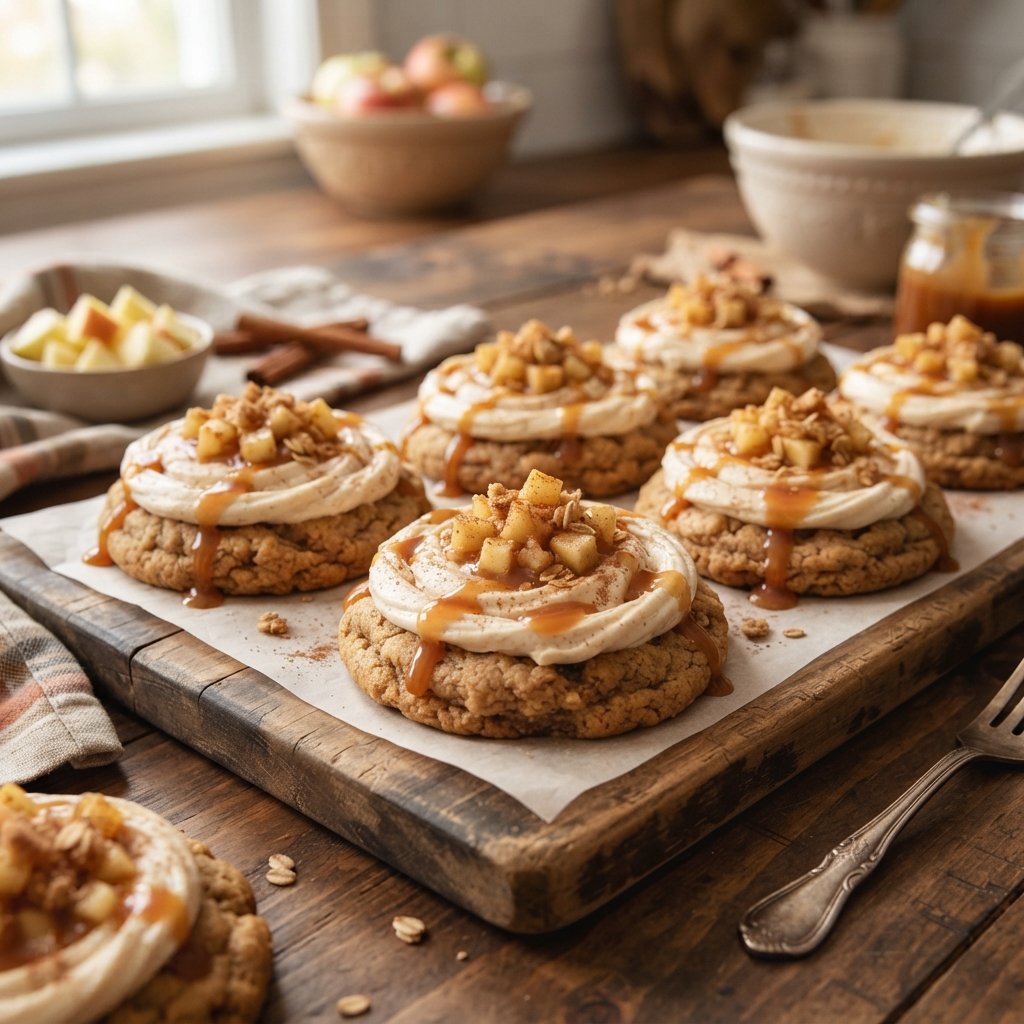
There is something undeniably magical about the arrival of autumn, a season marked by crisp air, changing leaves, and the return of comforting flavors that warm the soul. Among the myriad of seasonal treats that emerge during this cozy time of year, few have captured the hearts of dessert enthusiasts quite like the Crumbl Caramel Apple Cookies. These indulgent creations perfectly encapsulate the essence of fall, combining the tart sweetness of fresh apples with the rich, gooey decadence of caramel, all nestled within a soft, buttery cookie base. Whether you are a long-time fan of the popular Crumbl Cookies franchise or simply a home baker looking to recreate that gourmet experience in your own kitchen, this recipe promises to deliver a dessert that is both visually stunning and incredibly delicious.
The appeal of these cookies lies not just in their flavor profile, but in their texture and presentation. Imagine biting into a warm cookie that is slightly crisp on the edges yet chewy in the center, punctuated by bursts of spiced apple and ribbons of melted caramel. It is a sensory experience that evokes memories of harvest festivals, family gatherings, and chilly evenings spent by the fireplace. While ordering from the shop is a convenient treat, baking them at home allows you to control the quality of ingredients, customize the sweetness, and fill your house with an aroma that is far superior to any scented candle. This comprehensive guide will walk you through every aspect of creating these Easy Fall Desserts Everyone Will Love, ensuring that your batch turns out perfectly every single time.
The History
To truly appreciate the Crumbl Caramel Apple Cookie, one must understand the context of its creation within the modern baking landscape. Crumbl Cookies, founded in 2017 by Sawyer Hemsley and Jason McGowan in Logan, Utah, revolutionized the cookie industry by introducing a weekly rotating menu concept. This business model created a sense of urgency and excitement among customers, as specific flavors would appear for only a week before disappearing, potentially never to return. The Caramel Apple Cookie emerged as a seasonal staple during the autumn months, capitalizing on the universal popularity of caramel apples, a treat that has been associated with fall harvests since the early 20th century.
The concept of combining apples and caramel in baked goods predates Crumbl by decades, rooted in traditional American pies and tarts. However, the transformation of this flavor profile into a thick, gourmet-style cookie represents a modern evolution of dessert trends. The “Crumbl style” is characterized by its substantial size, often served in a pink box, and its focus on heavy toppings and frostings. The Caramel Apple variant specifically gained traction as consumers sought ways to enjoy classic fall flavors without the mess of biting into a whole caramel-covered apple on a stick. By integrating diced apples and caramel drizzle into a handheld cookie, bakers created a portable version of a classic treat. As social media platforms like TikTok and Instagram began showcasing these cookies, the demand for copycat recipes skyrocketed, turning a regional shop specialty into a global home-baking phenomenon.
Ingredients Breakdown
Understanding the role of each component in your baking process is crucial for achieving the perfect texture and flavor balance. Below is a detailed analysis of why each ingredient is selected for this specific recipe.
- All-Purpose Flour: This is the structural foundation of the cookie. It provides the necessary gluten network to hold the cookie together without making it too tough. Using too much flour can result in a dry cake-like texture, while too little can cause excessive spreading.
- Unsalted Butter: Butter contributes to the richness and tenderness of the cookie. Using unsalted butter allows you to control the sodium levels precisely. The fat content coats the flour proteins, inhibiting gluten formation and ensuring a soft bite. Room temperature butter is essential for proper creaming.
- Brown Sugar: Unlike white sugar, brown sugar contains molasses, which adds moisture and a distinct caramel-like depth to the flavor. This hygroscopic property helps keep the cookies soft for days after baking. It is the key to achieving that chewy center.
- Granulated White Sugar: This sugar aids in caramelization during baking, helping to create slightly crisp edges. It balances the moisture from the brown sugar to prevent the cookie from becoming too dense.
- Eggs: Eggs act as a binding agent, holding the ingredients together. They also provide structure and lift through the coagulation of proteins during baking. The fat in the yolk adds richness, while the whites contribute to the structure.
- Vanilla Extract: High-quality vanilla enhances the overall flavor profile, rounding out the sweetness and complementing the spices. It acts as a flavor enhancer that makes the butter and sugar taste more complex.
- Baking Soda: This leavening agent helps the cookies rise and spread. It reacts with the acidity in the brown sugar to produce carbon dioxide bubbles, creating a lighter texture.
- Salt: Salt is not just for savory dishes; it is vital in sweets to contrast sweetness and prevent the cookie from tasting flat. It amplifies the flavors of the chocolate, caramel, and spices.
- Cinnamon and Nutmeg: These warm spices are the hallmark of fall baking. Cinnamon provides the primary spice note, while nutmeg adds a subtle, earthy warmth that pairs exceptionally well with apples.
- Fresh Apples: The star of the show. Firm varieties like Granny Smith or Honeycrisp are preferred because they hold their shape during baking and provide a tart contrast to the sweet dough. Soft apples may turn into mush.
- Caramel Sauce: Used for drizzling or stuffing, caramel adds a gooey texture and a buttery sweetness. Homemade or high-quality store-bought caramel ensures the best flavor without artificial aftertastes.
Step-by-Step Recipe
Creating the perfect Crumbl-style cookie requires attention to detail and a methodical approach. This narrative guide will walk you through the process from preparation to cooling, ensuring you understand the techniques involved.
Preparation and Preheating: Before you begin mixing, it is imperative to preheat your oven to the correct temperature, usually around 350 degrees Fahrenheit. This ensures that the oven is fully heated when the cookies go in, promoting even baking. Line your baking sheets with parchment paper or silicone baking mats. This not only prevents sticking but also ensures even heat distribution across the bottom of the cookies, preventing burnt bottoms.
Creaming the Butter and Sugars: In a large mixing bowl, combine your room-temperature unsalted butter with both the brown and granulated sugars. Using a stand mixer or a hand mixer, beat these ingredients together on medium-high speed. You are looking for a mixture that is pale in color and fluffy in texture. This process, known as creaming, incorporates air into the butter, which is essential for the cookie’s lift. This step should take about three to five minutes. Do not rush this stage, as under-creamed butter can lead to dense cookies.
Incorporating Wet Ingredients: Once the butter and sugar are creamed, add the eggs one at a time, beating well after each addition. This ensures emulsification. Follow this with the vanilla extract. Scrape down the sides of the bowl to ensure everything is evenly incorporated. If the mixture looks slightly curdled after adding the eggs, do not panic; it will come together once the flour is added.
Mixing Dry Ingredients: In a separate bowl, whisk together the flour, baking soda, salt, cinnamon, and nutmeg. Whisking aerates the flour and ensures the leavening agents and spices are distributed evenly. You do not want to bite into a pocket of baking soda. Gradually add the dry mixture to the wet ingredients. Mix on low speed just until the flour streaks disappear. Overmixing at this stage can develop too much gluten, resulting in tough cookies.
Folding in Apples and Caramel: Using a spatula, gently fold in the diced apples. If you are using caramel bits, fold them in now as well. If you plan to swirl caramel on top, reserve it for later. Be gentle to avoid crushing the apple pieces. The dough should look thick and cohesive.
Portioning and Baking: Use a cookie scoop to portion the dough onto the prepared baking sheets. For that classic Crumbl look, use a large scoop to create tall, thick cookies. Leave ample space between them as they will spread. Bake in the center rack of the oven. Watch them closely towards the end of the baking time. They are done when the edges are golden brown but the centers still look slightly underbaked. They will continue to set as they cool.
Cooling and Finishing: Allow the cookies to cool on the baking sheet for about five minutes before transferring them to a wire rack. This prevents them from breaking while hot. Once cooled, drizzle with warmed caramel sauce and perhaps a sprinkle of sea salt or extra cinnamon for garnish.
Tips
To elevate your baking from good to exceptional, consider these professional tips and tricks tailored specifically for caramel apple cookies.
- Apple Selection Matters: Avoid using Red Delicious apples as they tend to become mealy when baked. Granny Smith apples provide a nice tartness that cuts through the sugar, while Fuji or Honeycrisp apples offer a sweeter, firmer bite. Peel and dice them into small, uniform cubes to ensure even cooking.
- Chill the Dough: If you have time, chill the cookie dough in the refrigerator for at least 30 minutes before baking. This solidifies the fat, which helps the cookies hold their shape and prevents them from spreading too thin in the oven. It also allows the flour to hydrate fully, improving texture.
- Prevent Soggy Apples: To prevent the apples from releasing too much moisture into the dough, you can sauté the diced apples briefly in a pan with a little butter and cinnamon before adding them to the dough. This reduces water content and intensifies the apple flavor.
- Caramel Consistency: If your caramel sauce is too runny, it will soak into the cookie immediately. Warm it slightly to make it drizzle-able, but let it cool slightly after drizzling so it sets into a glossy glaze rather than a puddle.
- Uniform Sizing: Use a mechanical cookie scoop to ensure all your cookies are the same size. This guarantees that they all bake at the same rate, preventing a situation where some are burnt while others are raw.
- Rotate Pans: Ovens often have hot spots. Halfway through the baking time, rotate your baking sheets 180 degrees to ensure even browning on all sides.
Variations and Customizations
One of the joys of home baking is the ability to customize recipes to suit dietary needs or personal preferences. Here are several ways you can modify the Crumbl Caramel Apple Cookie recipe.
- Gluten-Free Option: Substitute the all-purpose flour with a high-quality 1-to-1 gluten-free flour blend. Ensure the blend contains xanthan gum, which helps mimic the elasticity of gluten. You may need to add a tablespoon more flour if the dough feels too sticky.
- Vegan Adaptation: Replace the butter with a solid vegan butter stick (not margarine from a tub) and use flax eggs (1 tablespoon ground flaxseed mixed with 3 tablespoons water per egg) to replace the chicken eggs. Ensure the caramel sauce is dairy-free.
- Nutty Crunch: Add chopped pecans or walnuts to the dough. Nuts pair beautifully with apples and caramel, adding a textural contrast and a toasted flavor profile that enhances the autumn vibe.
- Spice It Up: For those who love warmth, add a pinch of cloves or allspice to the dry ingredients. You can also top the cookies with a spiced cream cheese frosting instead of caramel for a twist on the flavor profile.
- Chocolate Twist: While traditional caramel apple cookies do not contain chocolate, adding white chocolate chips can complement the caramel without overpowering the apple. Dark chocolate chips can add a sophisticated bitterness to balance the sweet.
- Mini Cookies: Use a smaller scoop to create bite-sized mini cookies. These are perfect for party platters or lunchbox treats. Adjust the baking time down by 3-5 minutes for smaller portions.
Health Considerations and Nutritional Value
While these cookies are undoubtedly a treat meant for indulgence, it is helpful to understand their nutritional impact and how they fit into a balanced diet. A standard gourmet-style cookie of this nature is energy-dense, primarily due to the content of sugars and fats.
Caloric Content: Depending on the size of the cookie, a single serving can range from 300 to 500 calories. The majority of these calories come from the butter, sugars, and caramel. For those monitoring caloric intake, enjoying half a cookie or sharing one is a prudent strategy.
Sugar Content: The combination of brown sugar, white sugar, apples, and caramel sauce results in a high sugar content. This can cause a rapid spike in blood glucose levels. Individuals with diabetes or insulin resistance should consume these in moderation and perhaps pair them with a source of protein or fiber to slow absorption.
Fat Profile: The butter provides saturated fats. While saturated fat is not as demonized as it once was, it should still be consumed in moderation within the context of a heart-healthy diet. Using unsalted butter allows for better control over sodium intake, which is beneficial for blood pressure management.
Micronutrients: Apples do provide some dietary fiber and Vitamin C, though the cooking process may degrade some of the heat-sensitive vitamins. The spices, particularly cinnamon, have antioxidant properties and may help regulate blood sugar levels slightly, though not enough to counteract the sugar in the cookie.
Moderation is Key: These cookies are best viewed as a occasional dessert rather than a daily snack. To make them slightly healthier, you can reduce the sugar in the dough by 10% without significantly affecting the texture, or use dark caramel which may have a slightly lower glycemic impact than light caramel.
Ingredients
Below is the precise list of measurements required to bake a standard batch of approximately 12 large cookies.
- 2 ½ cups all-purpose flour
- 1 teaspoon baking soda
- 1 teaspoon ground cinnamon
- ¼ teaspoon ground nutmeg
- ½ teaspoon salt
- 1 cup unsalted butter, softened to room temperature
- 1 cup packed light brown sugar
- ½ cup granulated white sugar
- 2 large eggs, room temperature
- 2 teaspoons vanilla extract
- 1 ½ cups fresh apples, peeled and diced into small cubes
- ½ cup caramel bits (optional, for inside the cookie)
- ¼ cup caramel sauce (for drizzling on top)
- Sea salt flakes (for garnish)
Directions
- Preheat your oven to 350°F (175°C) and line two large baking sheets with parchment paper or silicone mats.
- In a medium bowl, whisk together the flour, baking soda, cinnamon, nutmeg, and salt. Set aside.
- In a large bowl or stand mixer, cream the softened butter, brown sugar, and white sugar together on medium-high speed for 3-5 minutes until light and fluffy.
- Add the eggs one at a time, beating well after each addition, then mix in the vanilla extract.
- Gradually add the dry flour mixture to the wet ingredients, mixing on low speed until just combined. Do not overmix.
- Gently fold in the diced apples and caramel bits (if using) with a spatula until evenly distributed.
- Scoop the dough into large balls (about 3 tablespoons each) and place them on the prepared baking sheets, spacing them 3 inches apart.
- Bake for 10-12 minutes, or until the edges are golden brown and the centers look slightly soft.
- Remove from the oven and let the cookies cool on the baking sheet for 5 minutes before transferring to a wire rack.
- Once cooled, drizzle with caramel sauce and sprinkle with sea salt flakes before serving.
FAQ
Can I use apple pie filling instead of fresh apples?
It is not recommended. Apple pie filling contains too much syrup and moisture, which will make the cookie dough soggy and prevent proper baking. Fresh, diced apples provide the necessary texture and structure.
Why did my cookies spread too much?
This usually happens if the butter was too melted instead of softened, or if the dough was not chilled. Ensure your butter is cool to the touch but indents when pressed. Chilling the dough before baking also helps prevent excessive spreading.
How do I store these cookies?
Store cooled cookies in an airtight container at room temperature for up to 3 days. For longer storage, keep them in the refrigerator for up to a week. Bring them to room temperature before serving for the best texture.
Can I freeze the dough?
Yes, you can freeze the cookie dough balls for up to 3 months. Bake them directly from frozen, adding an extra 2-3 minutes to the baking time. You can also freeze baked cookies, though the caramel drizzle is best added after thawing.
What if I don’t have caramel bits?
You can omit them entirely or chop up soft caramel candies. If you omit them, the cookie will still be delicious due to the caramel drizzle on top, but it will have less caramel flavor inside.
Can I make these without a mixer?
Yes, you can mix by hand using a wooden spoon and some elbow grease. Just ensure you cream the butter and sugar thoroughly to incorporate enough air for a good texture.
Summary
Crumbl Caramel Apple Cookies offer a perfect blend of spiced apples, rich caramel, and soft buttery dough for the ultimate fall treat.
Follow this detailed guide to recreate the gourmet experience at home with customizable options for every baker.