Introduction
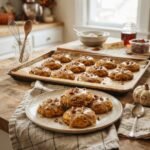
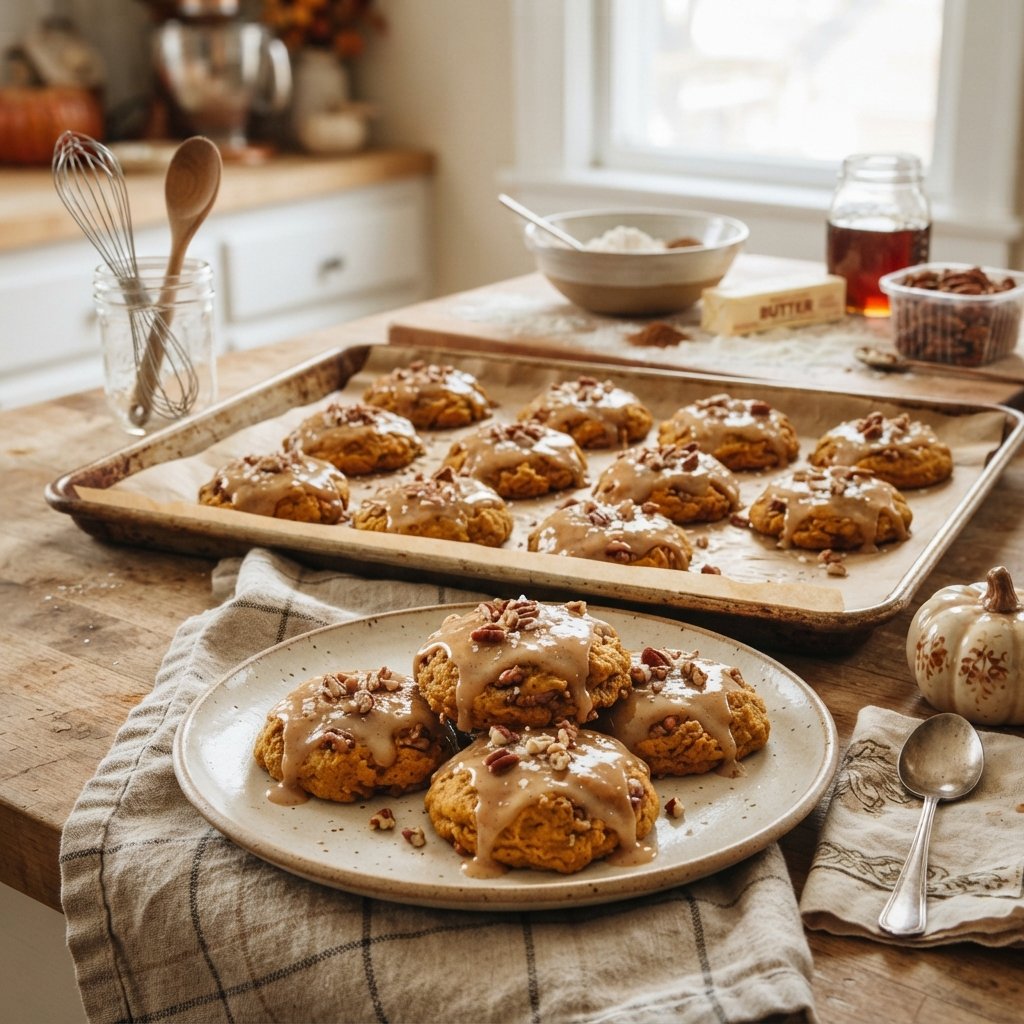
There is a distinct magic that arrives with the turning of the leaves and the cooling of the air, a sensory shift that calls for warmth, spice, and comfort found only in the heart of autumn baking. Among the pantheon of seasonal treats, few offerings rival the sophisticated depth and cozy embrace of Brown Butter and Maple Chewy Pumpkin Cookies. This is not merely a cookie; it is an experience that marries the earthy sweetness of pumpkin puree with the nutty, toasted complexity of browned butter, all tied together by the rich,木质 notes of pure maple syrup. While traditional pumpkin cookies often lean towards a cake-like texture, this recipe is meticulously engineered to achieve a chewy center with slightly crisp edges, providing a textural contrast that keeps bakers coming back for more.
The allure of this recipe lies in its balance. Pumpkin alone can sometimes result in a bake that is too moist or bread-like, but the reduction of moisture through the browning of butter and the careful calibration of dry ingredients ensures a dense, satisfying chew. The maple syrup adds a humidity that sugar alone cannot replicate, keeping the cookies soft days after baking. Whether you are serving these at a Thanksgiving gathering, packing them for a school lunch, or enjoying them with a hot cup of coffee on a rainy Saturday morning, these cookies represent the pinnacle of fall indulgence. Prepare to elevate your baking repertoire with a treat that smells like home and tastes like the season itself.
The History
To understand the provenance of this cookie, one must look at the converging histories of its three star components: pumpkin, brown butter, and maple. Pumpkin has been cultivated in North America for over 7,000 years, originally grown by Indigenous peoples who utilized every part of the plant for food, medicine, and materials. While pumpkin pie is the most famous descendant of these early cultivations, pumpkin cookies began gaining popularity in the United States during the mid-20th century as home bakers sought ways to utilize canned pumpkin puree beyond the holiday pie. They became a staple of community cookbooks and church bake sales, evolving from cakey drops to the chewier variants we prefer today.
The technique of browning butter, known in French cuisine as beurre noisette, has roots in classical French cooking where chefs sought to add depth to sauces and fish dishes. It was not until the modern artisan baking movement of the early 2000s that brown butter migrated from savory kitchens to sweet cookie doughs. Bakers discovered that the Maillard reaction, which occurs when milk solids toast in the butter, added a toffee-like nuance that transformed simple chocolate chip or sugar cookies into gourmet experiences. Incorporating this technique into pumpkin cookies was a natural evolution, as the nuttiness of the butter complements the vegetal sweetness of the squash.
Finally, maple syrup serves as the historical bridge between Indigenous tradition and modern sweetening. Long before refined cane sugar was available in North America, Indigenous peoples in the Northeastern woodlands were harvesting maple sap and boiling it down into syrup and sugar. Using maple syrup in baking instead of refined white sugar not only honors this heritage but provides a complex flavor profile containing hints of vanilla and caramel. When combined with pumpkin and brown butter, these three historical threads weave together to create a cookie that is both historically grounded and contemporarily delicious.
Ingredients Breakdown
Understanding the function of each ingredient is crucial to mastering this recipe. This is not a place for substitutions without understanding the chemistry involved.
- Pumpkin Puree: It is vital to use 100% pure pumpkin puree, not pumpkin pie filling. Pie filling contains added sugars and spices that will throw off the balance of this recipe. The puree provides moisture, natural sweetness, and the distinct earthy flavor profile. It also contains pectin, which helps bind the cookie together.
- Unsalted Butter: We use unsalted butter to control the sodium content precisely. The process of browning the butter evaporates some of the water content, concentrating the fat and milk solids. This concentration is key to preventing the cookies from becoming too cakey.
- Maple Syrup: Grade A Dark Robust Taste or Grade B is preferred for baking. The stronger flavor stands up to the spices and pumpkin. Maple syrup is hygroscopic, meaning it attracts moisture from the air, which is the secret weapon for keeping these cookies chewy for days.
- Brown Sugar: Light or dark brown sugar works, but dark brown sugar contains more molasses. The molasses adds acidity which reacts with the baking soda for lift, and it contributes to a deeper caramel flavor and darker cookie color.
- All-Purpose Flour: Standard all-purpose flour provides the necessary structure. Using bread flour would make them too tough, while cake flour would make them too fragile. The protein content in all-purpose is the Goldilocks zone for chewiness.
- Spices (Cinnamon, Nutmeg, Ginger, Cloves): This classic pumpkin pie spice blend is non-negotiable for the authentic flavor. Freshly grated nutmeg is highly recommended over pre-ground for a more aromatic punch.
- Leavening Agents: A combination of baking soda and baking powder is used. The soda reacts with the acidity in the brown sugar and maple syrup, while the powder provides a secondary rise during baking.
- Vanilla Extract: Pure vanilla extract enhances the maple and butter notes. Avoid imitation vanilla, which can taste chemical-like when baked.
Step-by-Step Recipe
Executing this recipe requires patience, particularly during the butter-browning phase. Rushing this step can lead to burnt butter, which tastes bitter rather than nutty. Begin by cutting your butter into tablespoons and placing it in a light-colored saucepan. This allows you to see the color change clearly. Melt the butter over medium heat, stirring constantly. Once melted, it will foam and crackle as the water evaporates. Listen for the crackling to subside; this indicates the water is gone. Watch closely as the milk solids at the bottom turn from yellow to golden to amber. Once you smell a nutty aroma and see brown specks, immediately remove from heat and pour into a heatproof bowl to stop the cooking.
Allow the brown butter to cool to room temperature. If it is too hot, it will melt the sugar prematurely and affect the texture. While the butter cools, whisk together your dry ingredients in a separate large bowl. This ensures the spices and leavening agents are evenly distributed throughout the flour, preventing uneven rising or spicy pockets in the cookie. In the bowl with the cooled brown butter, add the brown sugar and maple syrup. Beat these together until the mixture is smooth and glossy. This step creams the fat and sugar effectively without needing a stand mixer, though one can be used.
Add the pumpkin puree and vanilla to the wet mixture, mixing until fully incorporated. The mixture may look slightly separated; this is normal due to the water content in the pumpkin. Gradually add the dry ingredients to the wet ingredients. Switch to a spatula for the final mix to avoid overworking the gluten, which would make the cookies tough. Once a cohesive dough forms, cover and chill the dough for at least one hour. Chilling solidifies the fat, ensuring the cookies hold their shape in the oven and develop a deeper flavor profile through hydration of the flour.
Preheat your oven and line your baking sheets with parchment paper. Scoop the dough into uniform balls. Bake until the edges are set but the centers still look slightly soft. They will continue to cook on the hot pan after removal from the oven. Let them cool on the baking sheet for ten minutes before transferring to a wire rack. This resting period allows the structure to set so they do not break when moved.
Tips
- Measure Flour Correctly: Do not scoop the flour directly with the measuring cup, as this packs it down and leads to dry cookies. Instead, spoon the flour into the measuring cup and level it off with a knife.
- Room Temperature Eggs: If your recipe variation includes eggs, ensure they are at room temperature to emulsify properly with the brown butter.
- Don’t Overbake: Pumpkin cookies can look done before they actually are, but overbaking kills the chew. Remove them when they look slightly underdone in the center.
- Cooling the Butter: If you are in a hurry, you can place the brown butter in the freezer for 10-15 minutes to cool it down, but stir it occasionally to prevent it from solidifying completely.
- Parchment Paper is Key: These cookies have a high sugar content from the maple syrup, making them prone to sticking. Silicone mats work too, but parchment ensures easy cleanup and even browning.
- Storage: Store in an airtight container with a slice of bread. The cookies will absorb moisture from the bread, staying chewy for up to five days.
Variations and Customizations
The base recipe is robust enough to handle a variety of mix-ins and dietary adjustments without losing its structural integrity. For those who love texture, adding chopped toasted pecans or walnuts provides a crunchy contrast to the chewy cookie. Chocolate lovers can fold in white chocolate chips, which pair exceptionally well with maple and pumpkin, or dark chocolate chunks for a bittersweet contrast. For a glaze option, mix powdered sugar with a teaspoon of maple syrup and a splash of milk to drizzle over the cooled cookies for an extra sweet finish.
Dietary restrictions can also be accommodated. To make these cookies gluten-free, substitute the all-purpose flour with a 1:1 gluten-free baking blend that contains xanthan gum. For a vegan version, replace the butter with high-quality vegan butter sticks that have a similar water-to-fat ratio, ensuring you still brown them to achieve the nutty flavor. You can also reduce the sugar content slightly by increasing the pumpkin puree, though this may alter the chewiness. For a spice kick, add a pinch of cayenne pepper to the dry ingredients to create a “Mexican hot chocolate” style flavor profile that warms the palate.
Health Considerations and Nutritional Value
While these cookies are undoubtedly a treat, they do offer some nutritional benefits compared to standard sugar cookies. Pumpkin is rich in Vitamin A, essential for vision and immune function, as well as fiber which aids in digestion. The use of maple syrup instead of solely refined sugar introduces antioxidants and minerals like manganese and zinc. However, moderation is key. The brown butter increases the saturated fat content, and the overall calorie density is high due to the concentration of ingredients.
For those monitoring blood sugar, the fiber in the pumpkin helps slow the absorption of sugar, preventing sharp spikes compared to empty-carb desserts. Nevertheless, these should be enjoyed as part of a balanced diet. One cookie provides a significant amount of energy, making them a good option for a pre-hike snack during autumn outings, but perhaps less suitable for late-night snacking if you are watching your caloric intake. Always consult nutritional labels based on your specific ingredient brands for the most accurate tracking.
Ingredients
- 1/2 cup (1 stick) unsalted butter
- 1 cup packed dark brown sugar
- 1/2 cup pure maple syrup
- 1/2 cup pumpkin puree (100% pure)
- 1 teaspoon vanilla extract
- 2 cups all-purpose flour
- 1 teaspoon baking soda
- 1/2 teaspoon baking powder
- 1/2 teaspoon salt
- 1 1/2 teaspoons ground cinnamon
- 1/2 teaspoon ground ginger
- 1/4 teaspoon ground nutmeg
- 1/8 teaspoon ground cloves
Directions
- Melt the butter in a light-colored saucepan over medium heat. Cook, stirring constantly, until the butter foams, then subsides, and turns golden brown with a nutty aroma. Pour into a bowl and cool to room temperature.
- In a medium bowl, whisk together the flour, baking soda, baking powder, salt, cinnamon, ginger, nutmeg, and cloves.
- In a large bowl, beat the cooled brown butter and brown sugar together until smooth. Mix in the maple syrup, pumpkin puree, and vanilla extract.
- Gradually add the dry ingredient mixture to the wet ingredients, stirring until just combined. Do not overmix.
- Cover the dough and refrigerate for at least 1 hour to firm up the fats and hydrate the flour.
- Preheat your oven to 350°F (175°C). Line baking sheets with parchment paper.
- Scoop tablespoon-sized balls of dough onto the baking sheets, spacing them 2 inches apart.
- Bake for 10-12 minutes, or until the edges are set but the centers are still soft.
- Allow cookies to cool on the baking sheet for 10 minutes before transferring to a wire rack to cool completely.
FAQ
Can I use fresh pumpkin instead of canned?
Yes, but you must roast and puree it first, then strain it through a cheesecloth to remove excess water. Too much moisture from fresh pumpkin will make the cookies cakey.
Why did my cookies spread too much?
This usually happens if the butter was too warm when mixed with the sugar, or if the dough was not chilled sufficiently before baking. Ensure your oven is fully preheated.
Can I freeze the dough?
Absolutely. Scoop the dough into balls and freeze them on a tray before transferring to a bag. You can bake them straight from frozen, adding 1-2 minutes to the baking time.
How long do these cookies stay fresh?
Stored in an airtight container at room temperature, they remain chewy for up to 5 days. They can also be frozen for up to 3 months.
Can I make these without maple syrup?
You can substitute with molasses or honey, but the flavor profile will change significantly. Maple syrup is recommended for the intended taste.
Summary
These Brown Butter and Maple Chewy Pumpkin Cookies offer a sophisticated twist on classic autumn flavors with a perfectly soft texture.
Enjoy the nutty depth of browned butter and rich maple sweetness in every bite of this seasonal favorite.