Introduction
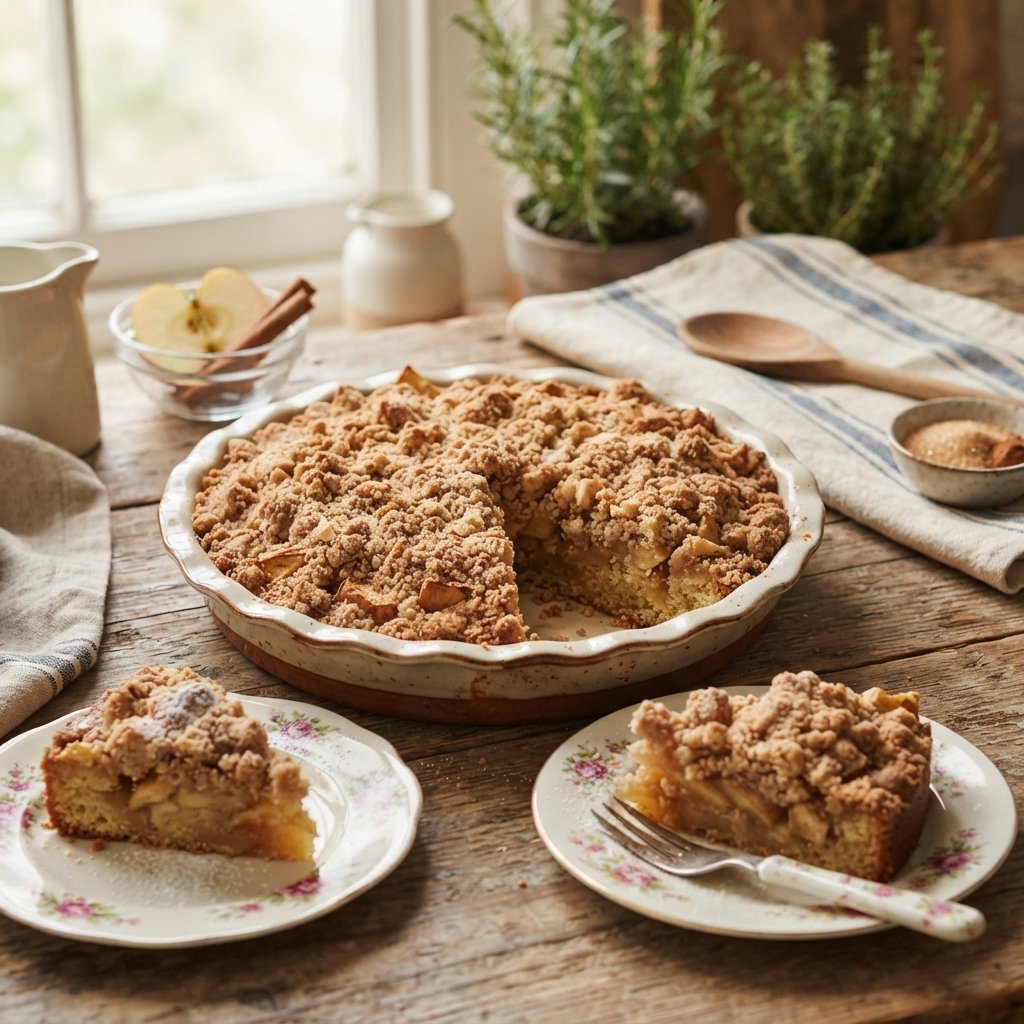
There is something profoundly comforting about the aroma of baked apples and cinnamon wafting through the kitchen, signaling that a treat is nearing completion. The apple crumble cake stands as a pinnacle of home baking, merging the moist, dense texture of a traditional cake with the crunchy, buttery topping of a classic crumble. This hybrid dessert offers the best of both worlds: the structural satisfaction of a slice of cake and the textural contrast of a fruit crisp. Whether served warm with a scoop of vanilla ice cream or enjoyed cold alongside a morning cup of coffee, this dessert embodies the essence of comfort food. It is a versatile centerpiece for autumn gatherings, holiday dinners, or simple weekend indulgences. The beauty of the apple crumble cake lies in its simplicity; it does not require intricate piping skills or complex tempering techniques. Instead, it relies on the quality of basic ingredients and the alchemy of heat to transform humble apples and flour into a golden masterpiece. This guide will walk you through every nuance of creating the perfect apple crumble cake, ensuring that your result is not just edible, but exceptional.
The History
To understand the apple crumble cake, one must first look at the lineage of its two components: the cake and the crumble. The concept of baking fruit into a dough dates back centuries, with early forms appearing in Roman cuisine where apples were baked with honey and spices. However, the specific identity of the “crumble” is widely believed to be a British invention that gained significant popularity during World War II. During the war, rationing made ingredients like pastry dough scarce; housewives needed a way to utilize stewed fruit without using the large amounts of fat and flour required for a traditional pie crust. The crumble topping, made from simple rubbed-in mixtures of flour, butter, and sugar, became a patriotic and practical solution. Over time, as rationing ended, the crumble evolved from a wartime necessity to a beloved classic. The fusion with cake batter is a more modern innovation, likely emerging in the mid-20th century as home baking became more experimental. Bakers began to realize that placing a layer of cake batter beneath the fruit and crumble provided a sturdy base that absorbed the apple juices, preventing the dessert from becoming too soggy while adding a sponge-like richness. Today, the apple crumble cake is a global favorite, with variations found from American diners to European cafes, each claiming their own twist on this historical convergence of necessity and nostalgia.
Ingredients Breakdown
Understanding the function of each ingredient is crucial for mastering the science of baking. Below is a detailed analysis of what each component brings to the apple crumble cake.
- All-Purpose Flour: This is the structural backbone of both the cake and the crumble. The proteins in the flour, when mixed with liquid, form gluten. For the cake, you want moderate gluten development for structure without toughness. For the crumble, you want minimal gluten development to ensure a sandy, crisp texture.
- Unsalted Butter: Fat is flavor and texture. In the cake, butter coats the flour particles, inhibiting gluten formation and tenderizing the crumb. In the crumble topping, cold butter is rubbed into the flour to create small pockets of fat that melt during baking, creating steam and leaving behind air pockets for crunch. Unsalted is preferred to control the sodium levels precisely.
- Granulated Sugar: Beyond sweetness, sugar is hygroscopic, meaning it attracts and holds moisture. This helps keep the cake moist over several days. During baking, sugar caramelizes, contributing to the golden-brown color and complex flavor notes.
- Brown Sugar: Often used in the crumble topping, brown sugar contains molasses. This adds a deeper, toffee-like flavor and increases the moisture content, helping the crumble clump together slightly rather than remaining completely loose dust.
- Eggs: Eggs act as an emulsifier and a leavening agent. The yolks add richness and fat, while the whites provide structure through coagulation. When beaten with sugar, eggs trap air, which expands in the oven to help the cake rise.
- Apples: The star of the show. Apples provide moisture, acidity, and fiber. The variety chosen dictates the texture; some hold their shape, while others break down into sauce. They also contain pectin, which helps thicken the juices as they cook.
- Baking Powder: This chemical leavening agent releases carbon dioxide gas when heated and when mixed with moisture. This gas creates bubbles in the batter, causing the cake to rise and become light rather than dense.
- Spices (Cinnamon, Nutmeg, Cardamom): These aromatic compounds volatile oils that are released during baking. Cinnamon pairs specifically well with the malic acid in apples, enhancing the perception of sweetness without adding more sugar.
- Vanilla Extract: A flavor enhancer that rounds out the sharpness of the spices and the sweetness of the sugar, adding a warm, floral background note.
Step-by-Step Recipe
Creating an apple crumble cake is a journey of layers. Here is the narrative process of how the dish comes together.
Preparation Phase: Begin by preheating your oven. Consistency in temperature is key; if the oven is too cool, the cake will dry out before it rises. If too hot, the crumble will burn before the cake cooks through. Prepare your baking tin by greasing it thoroughly and lining it with parchment paper. This ensures easy removal and even baking.
The Cake Base: The process starts with creaming the butter and sugar. This is not just mixing; it is aerating. You want to beat them until pale and fluffy. This incorporates tiny air bubbles that will expand later. Add eggs one at a time, ensuring each is fully emulsified before adding the next to prevent curdling. Sift your dry ingredients (flour, baking powder, spices) to remove lumps and distribute the leavening agent evenly. Fold these into the wet mixture gently. Overmixing at this stage develops too much gluten, leading to a tough cake. Finally, fold in a portion of the apples directly into the batter. This distributes apple flavor throughout every bite of the sponge.
The Fruit Layer: Slice the remaining apples uniformly. Uniformity ensures even cooking; if some slices are thick and others thin, you will end up with some crunchy raw apples and some mushy overcooked ones. Arrange these neatly over the batter. They will sink slightly as the cake rises, embedding themselves into the sponge.
The Crumble Topping: This should be prepared last to keep the butter cold. Use your fingertips to rub the cold butter into the flour and sugar mixture. You are looking for a texture resembling coarse breadcrumbs with some pea-sized clumps. These clumps are desirable as they create crunchy nuggets in the final bake. Sprinkle this generously over the apples. Do not press it down; let it sit loosely to allow heat to circulate.
Baking and Cooling: Place the cake in the center of the oven. Resist the urge to open the door during the first half of baking, as the rush of cold air can cause the cake to collapse. Bake until a skewer inserted into the cake layer comes out clean. The crumble should be golden brown. Once removed, let it cool in the tin for a while. This allows the structure to set. If you cut it too hot, the cake may crumble apart because the starches haven’t fully gelatinized and set.
Tips
To elevate your baking from good to professional, consider these expert tips:
- Apple Selection: Use a mix of apples. Combine a firm baking apple like Braeburn or Granny Smith with a sweeter, softer apple like Gala. This gives you both texture and varied flavor profiles.
- Prevent Sogginess: Toss your sliced apples in a little flour before placing them on the batter. This absorbs excess juice released during baking and prevents the cake layer from becoming wet.
- Butter Temperature: For the cake batter, use room temperature butter. For the crumble topping, use ice-cold butter. This contrast is essential for the respective textures.
- Spice Bloom: Toast your spices lightly in a dry pan before adding them to the batter. This wakes up the essential oils and intensifies the flavor.
- Storage: Keep the cake in an airtight container. If the crumble loses its crunch, you can pop individual slices under the broiler for a minute to crisp them up again.
- Pan Size: Use the pan size specified in the recipe. Using a larger pan will result in a thinner cake that bakes too quickly; a smaller pan will result in a dense center that may not cook through.
- Altitude Adjustments: If you live at a high altitude, you may need to reduce the sugar and baking powder slightly and increase the liquid, as water boils at a lower temperature and leavening gases expand more rapidly.
Variations and Customizations
The beauty of this recipe is its adaptability to dietary needs and flavor preferences.
- Gluten-Free: Substitute the all-purpose flour with a high-quality gluten-free baking blend that includes xanthan gum. This mimics the elasticity of gluten.
- Vegan: Replace butter with coconut oil or a plant-based butter stick. Replace eggs with flax eggs (1 tablespoon ground flaxseed mixed with 3 tablespoons water per egg) or applesauce.
- Nutty Crunch: Add chopped walnuts, pecans, or almonds to the crumble topping. Toast them first for maximum flavor impact.
- Spiced Rum: Soak the apple slices in a little spiced rum for 30 minutes before assembling for an adult-oriented version.
- Caramel Drizzle: After baking, drizzle warm salted caramel over the top for a decadent finish.
- Oats: Incorporate rolled oats into the crumble topping for a heartier, more fibrous texture that pairs well with breakfast servings.
- Pear and Ginger: Swap half the apples for pears and add crystallized ginger to the batter for a zesty twist.
Health Considerations and Nutritional Value
While this is a dessert, understanding its nutritional profile helps in enjoying it mindfully. Apples are a significant source of dietary fiber, specifically pectin, which aids in digestion and heart health. They also provide Vitamin C and potassium. However, the cake and crumble components contribute significant calories primarily from carbohydrates and fats. A standard slice may contain between 300 to 500 calories, depending on the size and sugar content. To make a healthier version, consider reducing the granulated sugar by 25% without compromising texture, as the apples provide natural sweetness. Using whole wheat pastry flour can increase the fiber content and lower the glycemic index compared to refined white flour. Additionally, substituting some of the butter with Greek yogurt in the cake batter can reduce saturated fat while maintaining moisture. Portion control is key; serving a smaller slice alongside fresh fruit or plain yogurt can balance the indulgence with nutrition.
Ingredients
For the Cake Base:
- 200g unsalted butter, softened
- 200g granulated sugar
- 4 large eggs, room temperature
- 250g all-purpose flour
- 2 teaspoons baking powder
- 1 teaspoon vanilla extract
- 1 teaspoon ground cinnamon
- Pinch of salt
- 2 medium apples, peeled and diced small
For the Apple Layer:
- 3 large apples, peeled, cored, and thinly sliced
- 1 tablespoon lemon juice
- 1 tablespoon flour
For the Crumble Topping:
- 100g cold unsalted butter, cubed
- 100g all-purpose flour
- 80g brown sugar
- 50g granulated sugar
- 1/2 teaspoon ground cinnamon
- 1/4 teaspoon ground nutmeg
Directions
- Preheat your oven to 350°F (175°C). Grease a 9-inch round springform pan and line the bottom with parchment paper.
- In a large bowl, cream together the softened butter and granulated sugar for the cake base until the mixture is light and fluffy (approximately 5 minutes).
- Beat in the eggs one at a time, ensuring each egg is fully incorporated before adding the next. Stir in the vanilla extract.
- In a separate bowl, whisk together the flour, baking powder, cinnamon, and salt.
- Gradually fold the dry ingredients into the wet mixture until just combined. Do not overmix.
- Toss the diced apples for the cake base with a teaspoon of flour and fold them into the batter.
- Spread the cake batter evenly into the prepared pan.
- Toss the sliced apples for the middle layer with lemon juice and a tablespoon of flour. Arrange them neatly over the batter.
- To make the crumble, combine the flour, brown sugar, granulated sugar, cinnamon, and nutmeg in a bowl.
- Add the cold cubed butter to the dry crumble ingredients. Use your fingertips to rub the butter into the flour until the mixture resembles coarse crumbs with some clumps.
- Sprinkle the crumble topping evenly over the apple slices. Do not press down.
- Bake for 50 to 60 minutes, or until the top is golden brown and a skewer inserted into the cake layer comes out clean.
- Allow the cake to cool in the pan for 15 minutes before removing the ring and transferring to a wire rack to cool completely.
FAQ
Can I make this cake ahead of time?
Yes, this cake actually tastes better the next day as the flavors have time to meld. You can bake it a day in advance and store it at room temperature.
Why did my crumble sink into the cake?
This usually happens if the butter in the crumble was too warm or melted before baking. Ensure your butter is ice cold when making the topping, and bake the cake immediately after assembling.
Can I freeze apple crumble cake?
Yes, you can freeze the baked cake for up to 3 months. Wrap it tightly in plastic wrap and foil. Thaw at room temperature before serving. You can also freeze the unbaked cake and bake from frozen, adding 10-15 minutes to the baking time.
What is the best way to store leftovers?
Store in an airtight container at room temperature for up to 3 days. If your kitchen is very humid, store it in the refrigerator to prevent mold, but bring to room temperature before eating for the best texture.
Can I use gluten-free flour?
Yes, a 1:1 gluten-free baking substitute works well. Ensure the blend contains a binder like xanthan gum, or add 1/2 teaspoon separately.
My cake is browning too quickly, what should I do?
If the crumble is getting dark before the cake is done, loosely tent a piece of aluminum foil over the top of the pan for the remainder of the baking time.
Summary
The apple crumble cake is a timeless dessert that combines a moist sponge base with juicy apples and a buttery, crunchy topping. By following precise techniques for ingredient temperature and layering, you can create a comforting treat perfect for any occasion.