Introduction
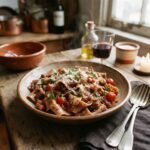
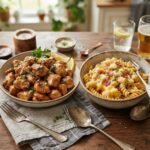
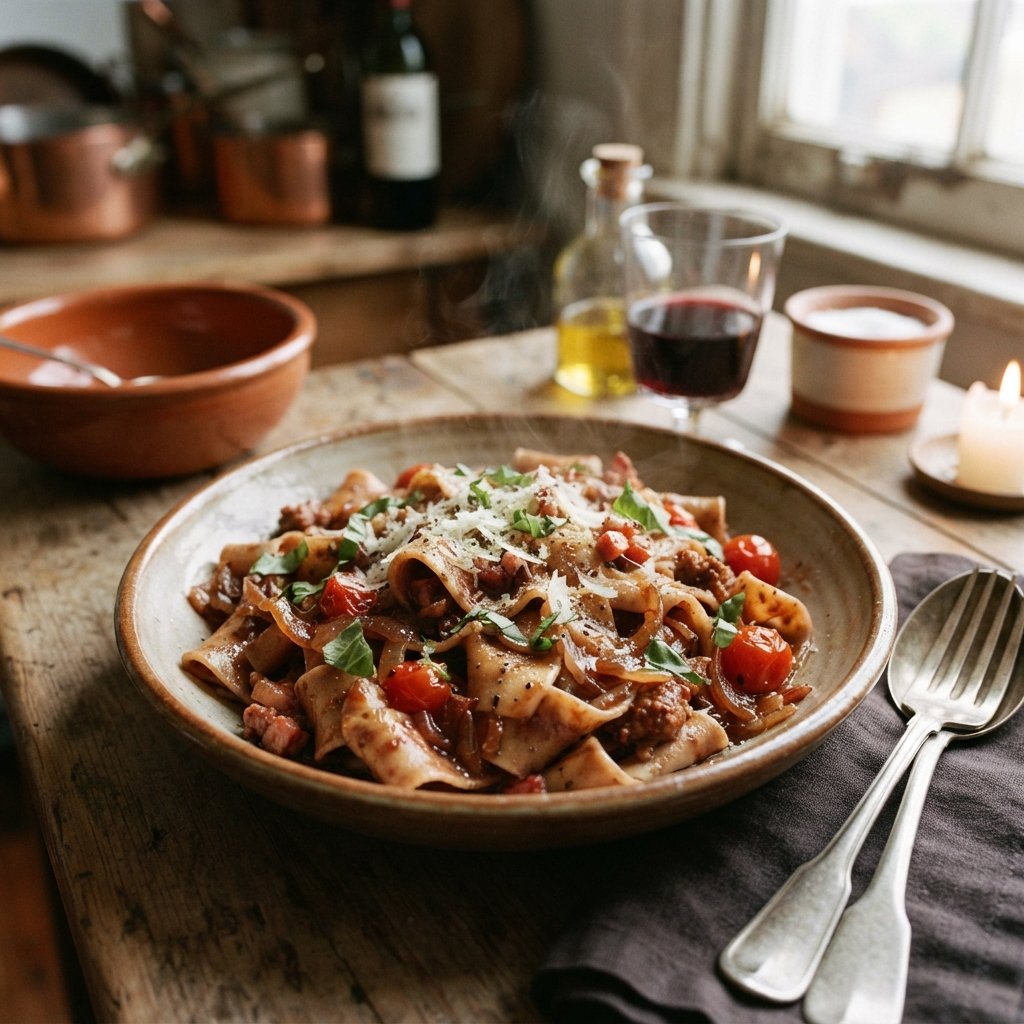
Italian Drunken Noodles, known authentically as Pasta Ubriaco, represent one of the most comforting and flavorful intersections of rustic Italian cooking and modern culinary indulgence. This dish is not merely a meal; it is an experience that engages the senses with the deep, aromatic richness of reduced wine, the savory depth of cured meats, and the perfect al dente texture of high-quality pasta. The name “Drunken Noodles” often conjures images of intoxication, but the truth is far more culinary-focused: it refers to the generous amount of wine used to braise the ingredients, creating a sauce that is deeply infused with the complex notes of grapes, oak, and terroir. When prepared correctly, the alcohol evaporates during the cooking process, leaving behind a concentrated essence that elevates simple pantry staples into a gourmet masterpiece. Whether served at a family gathering in Northern Italy or a cozy dinner party in a modern apartment, this dish promises warmth, satisfaction, and a robust flavor profile that lingers pleasantly on the palate.
The allure of Drunken Noodles lies in their versatility and the way they embody the Italian philosophy of cucina povera, or poor cooking, which emphasizes making the most out of available ingredients. By utilizing leftover wine that might otherwise be discarded and combining it with humble sausages or pancetta, cooks transform potential waste into wealth. The sauce clings to every ridge of the pasta, ensuring that each bite delivers a balanced harmony of acidity, sweetness, saltiness, and umami. For home cooks looking to expand their repertoire beyond standard marinara or alfredo sauces, Italian Drunken Noodles offer a sophisticated yet approachable challenge that rewards patience and attention to detail with extraordinary results.
The History
The origins of Pasta Ubriaco are shrouded in the folklore of Northern Italy, particularly within the regions of Emilia-Romagna and Lombardy, where wine production is as culturally significant as pasta making itself. Historically, this dish emerged from peasant kitchens where nothing was ever wasted. Winemakers and farmers often had access to wine that was slightly oxidized or not suitable for drinking on its own, yet still possessed enough flavor to enhance a meal. Rather than pouring it out, these resourceful cooks began using the wine as a braising liquid for meats and a deglazing agent for pans, creating the foundation for what we now know as Drunken Noodles. The term “Ubriaco” translates directly to “drunk,” suggesting that the pasta itself has been soaked or marinated in the wine until it is saturated with its spirit.
Throughout the centuries, the recipe evolved from a simple peasant sustenance meal to a celebrated staple of Italian trattorias. In the mid-20th century, as Italian immigration spread across the globe, variations of the dish appeared in American-Italian households, often adapted to include locally available sausages and different varieties of wine. Despite these adaptations, the core principle remained unchanged: the wine must be the star of the show. In some historical accounts, the pasta was literally soaked in wine before cooking, though the modern method involves reducing the wine into a sauce to preserve the texture of the noodles. This culinary tradition highlights the Italian respect for ingredients, proving that even the simplest components can create magic when treated with care and tradition.
Ingredients Breakdown
To achieve the authentic taste of Italian Drunken Noodles, understanding the role of each ingredient is crucial. The dish relies on a few high-quality components rather than a long list of complicated items. First and foremost is the wine. A dry red wine, such as a Chianti, Sangiovese, or Merlot, is traditionally used because its tannins and acidity cut through the fat of the meat. However, a dry white wine like Pinot Grigio can be used for a lighter version. The wine should be of decent quality; avoid “cooking wine” found in supermarkets as it contains added salt and preservatives that can ruin the flavor profile. You should cook with a wine you would be happy to drink.
The pasta choice is equally important. Wide, flat noodles like pappardelle, tagliatelle, or fettuccine are ideal because their broad surface area captures the rich wine sauce effectively. Thin pastas like spaghetti may not hold the heavier sauce as well. Regarding the protein, Italian sausage is the classic choice, providing fennel seeds and spices that complement the wine. Pancetta or guanciale can be added for extra saltiness and pork fat depth. The aromatics form the base of the flavor: yellow onions provide sweetness, garlic adds pungency, and fresh herbs like basil or parsley offer a bright finish. Finally, Parmigiano-Reggiano or Pecorino Romano cheese is essential for adding a salty, nutty umami bomb that ties the entire dish together.
Step-by-Step Recipe
Creating the perfect Drunken Noodles requires a methodical approach to ensure the sauce emulsifies correctly and the pasta is cooked to perfection. The process begins with preparation, known in French culinary terms as mise en place. Chop your onions finely to ensure they melt into the sauce rather than remaining chunky. Slice the sausage out of its casing if you prefer a ground texture, or keep it in coins for a heartier bite. Measure your wine beforehand so you can pour it smoothly without interrupting the cooking flow. This preparation phase is critical because the cooking process moves quickly once the heat is applied.
Next, focus on the searing process. Heat a large skillet or Dutch oven over medium-high heat with a drizzle of olive oil. Add the sausage and cook until it is deeply browned. This Maillard reaction is essential for developing complex flavors that boiling cannot achieve. Once the meat is browned, add the onions and garlic, sautéing until translucent and fragrant. Be careful not to burn the garlic, as it will turn bitter. Once the aromatics are soft, it is time to introduce the wine. Pour the wine into the hot pan; it should sizzle and steam immediately. This deglazing process lifts the fond (the browned bits stuck to the bottom of the pan) and incorporates them into the liquid, creating the base of your sauce.
The reduction phase is where the magic happens. Allow the wine to simmer vigorously. You want to reduce the volume by at least half to cook off the harsh alcohol taste and concentrate the grape flavors. This should take about 10 to 15 minutes. While the sauce reduces, boil your pasta in heavily salted water. Reserve a cup of pasta water before draining. When the sauce has thickened slightly, add the cooked pasta directly into the skillet. Toss vigorously, adding splashes of pasta water to create a creamy emulsion. Finish with fresh herbs and cheese off the heat to prevent the cheese from clumping. This method ensures the pasta absorbs the sauce rather than just having it poured on top.
Tips
- Wine Selection Matters: Never use vinegar or wine labeled specifically for cooking. The flavor of the wine defines the dish, so use a dry table wine that you enjoy drinking.
- Save the Pasta Water: The starchy water from boiling the pasta is liquid gold. It contains amylose and amylopectin which help thicken the sauce and make it cling to the noodles without needing heavy cream.
- Don’t Rush the Reduction: If you add the pasta before the wine has reduced sufficiently, the dish will taste too acidic and alcoholic. Patience during the simmering stage is key to a balanced flavor.
- Season at the End: Cured meats and cheeses are already salty. Taste the dish before adding extra salt to the sauce to avoid over-seasoning.
- Finish with Fat: A final drizzle of high-quality extra virgin olive oil or a knob of cold butter stirred in at the very end adds a glossy sheen and a luxurious mouthfeel to the sauce.
- Fresh Herbs Only: Dried herbs can be used during the simmer, but always finish with fresh basil or parsley. The heat of the pasta will wilt the fresh herbs just enough to release their oils without destroying their vibrant color.
Variations and Customizations
While the traditional recipe is divine, Italian Drunken Noodles are highly adaptable to dietary preferences and regional tastes. For a seafood variation, substitute the sausage with large shrimp or scallops. Use white wine instead of red to complement the delicate flavor of the shellfish, and add a pinch of red pepper flakes for heat. This version is often lighter and pairs beautifully with a crisp salad. For a vegetarian version, omit the meat entirely and focus on umami-rich mushrooms. Cremini or porcini mushrooms sautéed until browned can mimic the meaty texture of sausage. Add a splash of soy sauce or miso paste to deepen the savory notes without using animal products.
Spice lovers can create a Calabrian twist by incorporating ‘Nduja, a spreadable spicy pork sausage, or adding generous amounts of crushed red pepper flakes during the onion sautéing phase. This adds a warming heat that contrasts beautifully with the sweetness of the reduced wine. For a creamy variation, stir in a small amount of heavy cream or mascarpone cheese during the final tossing stage. This creates a pink-hued sauce that is richer and velvety, often referred to as a “Rosé” style Drunken Noodle. Additionally, you can customize the vegetable content by adding roasted bell peppers, sun-dried tomatoes, or spinach wilted in at the end to increase the nutritional density and color contrast of the dish.
Health Considerations and Nutritional Value
When considering the health aspects of Italian Drunken Noodles, it is important to analyze the macronutrients and the effect of cooking with alcohol. A standard serving contains a significant amount of carbohydrates from the pasta, which provides energy but should be moderated for those monitoring blood sugar levels. The protein content comes primarily from the sausage and cheese, offering a satisfying element that helps with satiety. Regarding the wine, most of the alcohol content evaporates during the reduction process. Studies suggest that after 15 minutes of simmering, about 40% of alcohol remains, but after an hour, less than 5% remains. Therefore, the dish is generally safe for those avoiding alcohol intake, though trace amounts may persist.
To make the dish healthier, consider using whole wheat or legume-based pasta to increase fiber content and lower the glycemic index. You can also reduce the amount of sausage and increase the volume of vegetables like zucchini, eggplant, or tomatoes to bulk up the meal without adding excessive calories or sodium. Choosing leaner cuts of meat or turkey sausage can significantly lower the saturated fat content. Furthermore, controlling the portion size of the cheese garnish can help manage sodium intake, as Parmigiano-Reggiano is naturally salty. When enjoyed in moderation as part of a balanced diet, this dish provides a good source of energy, protein, and the antioxidant benefits associated with polyphenols found in red wine.
Ingredients
- 1 pound (450g) wide pasta (pappardelle, tagliatelle, or fettuccine)
- 1 pound (450g) Italian sausage (sweet or spicy, casings removed)
- 1 cup dry red wine (Chianti, Sangiovese, or Merlot)
- 1 medium yellow onion, finely diced
- 4 cloves garlic, minced
- 2 tablespoons extra virgin olive oil
- 1 cup crushed tomatoes or tomato purée (optional for body)
- 1/2 cup fresh basil leaves, chopped
- 1/2 cup freshly grated Parmigiano-Reggiano cheese, plus more for serving
- 1/2 teaspoon red pepper flakes (optional)
- Salt and freshly cracked black pepper to taste
- 1 cup reserved pasta cooking water
Directions
- Bring a large pot of heavily salted water to a boil. Add the pasta and cook until al dente according to package instructions. Before draining, reserve at least 1 cup of the starchy pasta water.
- While the water heats, warm the olive oil in a large deep skillet or Dutch oven over medium-high heat.
- Add the Italian sausage to the skillet. Cook, breaking it up with a wooden spoon, until it is deeply browned and cooked through, about 8 to 10 minutes.
- Add the diced onion to the skillet with the sausage. Sauté for 5 minutes until the onion is soft and translucent. Add the minced garlic and red pepper flakes, cooking for another minute until fragrant.
- If using crushed tomatoes, stir them in now and cook for 2 minutes. Pour in the red wine, scraping the bottom of the pan to release any browned bits.
- Allow the wine to simmer vigorously for 10 to 15 minutes until the liquid has reduced by half and the alcohol scent has diminished.
- Add the drained pasta directly into the skillet with the sauce. Toss to coat evenly.
- Gradually add the reserved pasta water, a little at a time, while tossing the pasta continuously to create a glossy, emulsified sauce.
- Remove the pan from the heat. Stir in the fresh basil and half of the grated Parmigiano-Reggiano cheese.
- Season with black pepper and additional salt only if needed. Serve immediately topped with the remaining cheese.
FAQ
Will I get drunk eating this pasta?
No, you will not get drunk. The majority of the alcohol evaporates during the simmering and reduction process. While trace amounts may remain, they are negligible and not enough to cause intoxication.
Can I make this dish ahead of time?
It is best served fresh. However, you can prepare the sauce ahead of time and reheat it gently. When reheating, add a splash of water or wine to loosen the sauce before tossing with freshly cooked pasta.
What if I don’t drink alcohol?
You can substitute the wine with grape juice mixed with a teaspoon of red wine vinegar to mimic the acidity and sweetness, or use a non-alcoholic cooking wine. Beef or vegetable broth can also work, though the flavor profile will be less complex.
Can I freeze the leftovers?
Yes, but the texture of the pasta may become soft upon reheating. It is better to freeze the sauce separately and cook fresh pasta when you are ready to serve. The sauce can be frozen for up to 3 months.
Why is my sauce too watery?
This usually means the wine was not reduced enough before adding the pasta. Ensure you simmer the wine until it is syrupy. You can also thicken it by adding more pasta water and tossing vigorously to create an emulsion.
Summary
Italian Drunken Noodles are a rich, wine-infused pasta dish featuring savory sausage and reduced red wine for a deep flavor.
Perfect for comfort dining, this recipe balances rustic tradition with simple techniques for a restaurant-quality meal at home.