Introduction
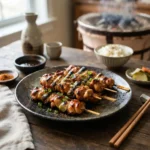
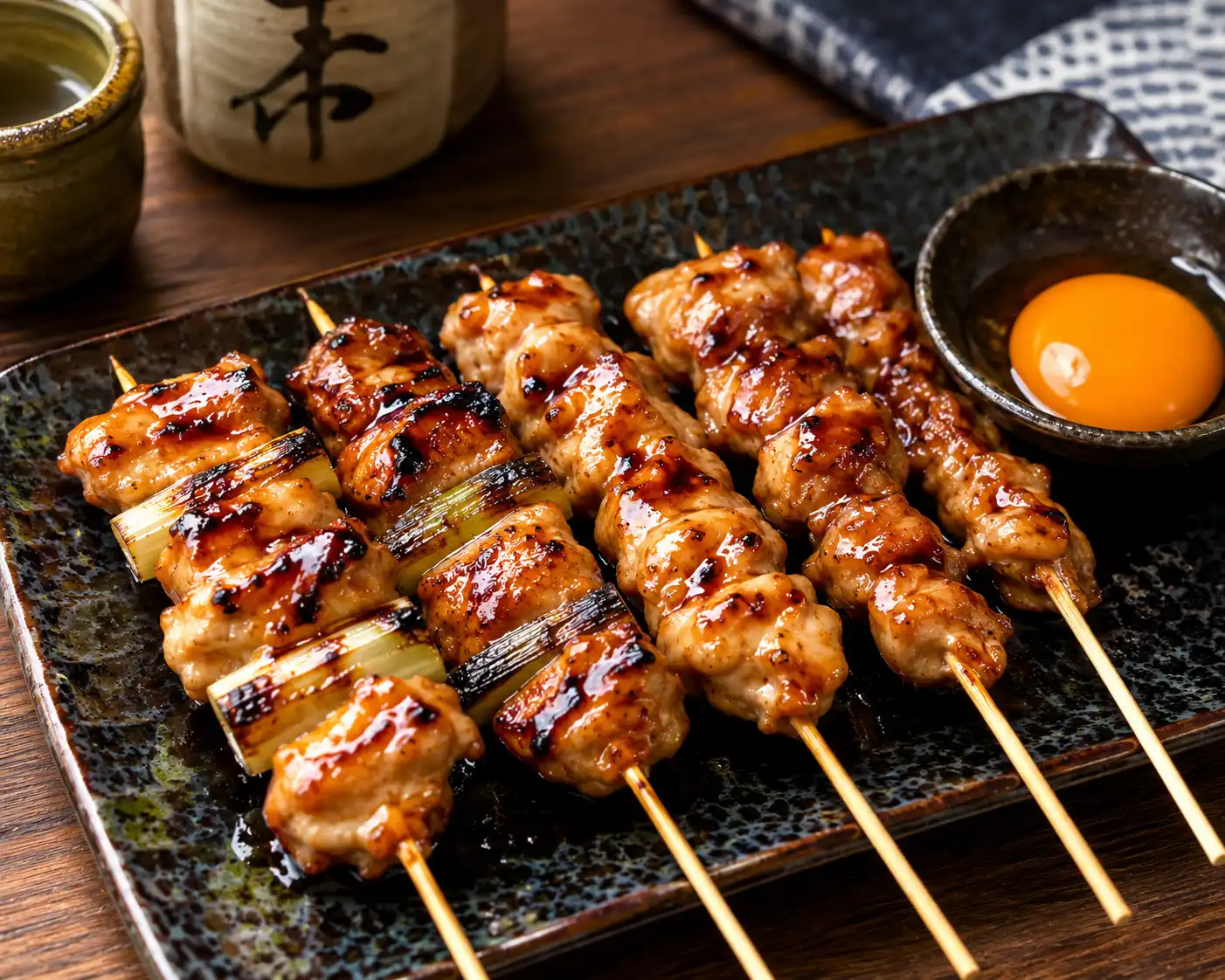
There are few culinary experiences as universally beloved and deeply satisfying as the humble yet sophisticated Japanese Chicken Yakitori. Walking through the narrow, lantern-lit alleyways of Tokyo’s Shinjuku or Osaka’s Dotonbori, the air is thick with the intoxicating aroma of charcoal smoke, caramelizing sugar, and savory soy sauce. This is the scent of Yakitori. While often associated with high-end izakayas (Japanese gastropubs) or bustling street stalls, this iconic dish is surprisingly accessible for the home cook. “The Best Easy Japanese Chicken Yakitori Recipe” is not just about grilling chicken; it is about mastering the balance of sweet and salty, achieving that perfect char, and bringing a piece of Japanese culinary tradition to your own backyard or kitchen.
Yakitori translates literally to “grilled bird,” but it represents so much more than a simple skewer. It is a celebration of texture, fire, and the alchemical magic of Tare (the dipping sauce). Whether you are a grilling novice or a seasoned pitmaster, this guide will walk you through every nuance of creating authentic, restaurant-quality Yakitori that is juicy on the inside, slightly charred on the outside, and glazed to perfection.
The History
To truly appreciate Yakitori, one must understand its roots, which are deeply intertwined with the social and religious history of Japan. The origins of grilling meat on skewers date back centuries, but the dish as we know it today began to take shape during the Edo period (1603–1867). However, a significant hurdle existed: Buddhism. For over a thousand years, the consumption of four-legged animals was largely taboo in Japan due to Buddhist prohibitions against killing.
It wasn’t until the Meiji Restoration in the late 19th century that Emperor Meiji lifted the ban on eating meat, encouraging the population to adopt Western dietary habits to strengthen the nation. Suddenly, chicken, which had previously been kept primarily for eggs or cockfighting, became a viable food source. Yakitori emerged as the perfect street food for the working class. It was cheap, fast, and filling. Vendors would utilize every part of the chicken, from the thigh to the skin, the liver, and even the cartilage, ensuring nothing went to waste.
Post-World War II, Yakitori saw another surge in popularity. In the scarcity of the post-war era, chicken was one of the few meats readily available. The dish evolved from a simple salted grill item to the sauced delicacy we recognize today, becoming a staple of the “Salaryman” culture—a way for workers to unwind after long hours with a skewer in one hand and a cold beer in the other.
Ingredients Breakdown
The beauty of Yakitori lies in its simplicity, but simplicity demands quality. Because there are so few ingredients, each one plays a critical role in the final flavor profile.
The Chicken
While you can use breast meat, the gold standard for Yakitori is chicken thighs. Thigh meat has a higher fat content, which keeps the meat moist and juicy during the high-heat grilling process. Breast meat can easily dry out and become tough if overcooked by even a minute. For the most authentic experience, look for skin-on, boneless chicken thighs. The skin renders down, becoming crispy and delicious, adding a necessary textural contrast to the tender meat.
The Tare (Sauce)
The soul of Yakitori is the Tare. This is a thick, glossy, sweet-and-savory glaze. It is not merely soy sauce; it is a reduction.
- Soy Sauce: Use a high-quality Japanese soy sauce (like Kikkoman) for a balanced saltiness. Avoid low-sodium versions for the glaze, as the reduction process concentrates flavors.
- Mirin: This sweet rice wine is non-negotiable. It provides the signature gloss and a mild sweetness that sugar alone cannot replicate. It also helps tenderize the meat.
- Sake: Dry cooking sake adds depth and complexity, cutting through the richness of the chicken fat.
- Sugar: While Mirin is sweet, a bit of brown or white sugar is needed to help the sauce caramelize and stick to the skewers, creating those beautiful sticky bits.
- Aromatics: Fresh ginger and garlic are often simmered in the sauce to infuse it with a warm, spicy undertone, then strained out for a smooth finish.
The Skewers
Traditional Yakitori uses bamboo skewers. They are inexpensive and disposable. However, because bamboo is wood, it is highly flammable. If you are grilling over an open flame, the skewers can burn before the chicken is cooked unless treated correctly (see Tips section).
Step-by-Step Recipe Narrative
Making the best Yakitori is a process of preparation and timing. It begins the day before, or at least a few hours prior to cooking. First, you must prepare your Tare. Combine your soy sauce, mirin, sake, sugar, ginger, and garlic in a small saucepan. Bring it to a boil, then reduce the heat to a simmer. Let it cook down for about 15 to 20 minutes until it thickens slightly. It should coat the back of a spoon. Strain out the solids and let it cool. This resting time allows the flavors to meld.
Next, prepare your chicken. Cut the thighs into uniform, bite-sized cubes, roughly 1 to 1.5 inches. Uniformity is key; if pieces are different sizes, some will burn while others remain raw. If you are making Negima (chicken and leek), cut Japanese leeks (Negi) or green onions into segments the same size as the chicken.
Now, the assembly. Thread the chicken onto the skewers. Do not pack them too tightly; leave a tiny bit of space between pieces to allow the heat to circulate and cook the meat evenly. If you pack them like sardines, the center will steam rather than grill.
When it comes time to cook, preheat your grill (charcoal is best for flavor, but gas works well too) to medium-high heat. You want a hot surface to sear the meat quickly. Place the skewers on the grill. Cook for about 3-4 minutes on the first side until you see grill marks and the fat begins to render. Flip them. Cook for another 2-3 minutes. Now comes the glazing. Brush one side generously with your cooled Tare sauce. Let it cook for 30 seconds until it bubbles and caramelizes. Flip, brush the other side, and repeat. Be careful not to burn the sugar in the sauce!
Tips for Perfection
- Soak Your Skewers: This is the most critical tip for beginners. Soak your bamboo skewers in water for at least 30 minutes (preferably an hour) before grilling. This prevents them from catching fire and burning your fingers while you eat.
- Double Skewering: For heavier skewers or if you want easier flipping, thread two parallel skewers through the meat. This prevents the chicken from spinning around when you try to turn it over.
- Oil the Grates: Chicken skin is sticky. Ensure your grill grates are clean and well-oiled before placing the meat down to prevent tearing.
- The Two-Brush Method: Use one brush for applying sauce to raw meat (if marinating) and a clean, separate brush for applying sauce to cooking meat. Never put a brush that has touched raw chicken back into your bowl of Tare sauce, or you risk cross-contamination.
- Rest the Meat: Just like a steak, let your Yakitori rest for 2-3 minutes after taking it off the grill. This allows the juices to redistribute throughout the meat.
Variations and Customizations
While chicken thigh is the king, the world of Yakitori is vast. Here are some popular variations to try once you master the basics:
- Tsukune: These are minced chicken meatballs, often mixed with ginger, scallions, and egg yolk, grilled on skewers.
- Tebasaki: Chicken wings, split and grilled until the skin is incredibly crispy.
- Sasami: Chicken breast skewers, often wrapped in bacon or shiso leaf to add moisture.
- Bonjiri: Chicken tail meat. It is fatty, gelatinous, and a delicacy for adventurous eaters.
- Vegetarian Yakitori: You can apply the same Tare sauce and grilling technique to firm tofu, shiitake mushrooms, asparagus, or even grilled rice balls (Yaki Onigiri).
- Spicy Twist: Add a teaspoon of Rayu (chili oil) or Shichimi Togarashi (seven-spice blend) to your Tare sauce for a spicy kick.
Health Considerations and Nutritional Value
Yakitori can be a relatively healthy option when compared to breaded or deep-fried chicken dishes. Chicken thighs are an excellent source of high-quality protein, essential for muscle repair and growth. They are also rich in B vitamins, particularly B12 and Niacin, which support energy levels and metabolism.
However, there are two main considerations: sodium and sugar. The Tare sauce is high in sodium due to the soy sauce, and the sugar content adds calories. To make a healthier version, you can reduce the amount of sugar in the glaze or use a sugar substitute like erythritol. Additionally, grilling allows excess fat to drip away from the meat, unlike frying where the food sits in oil. Pairing Yakitori with a side of steamed vegetables or a fresh cucumber salad can help balance the meal nutritionally.
Ingredients
For the Tare Sauce:
- 1/2 cup Soy Sauce
- 1/2 cup Mirin (sweet rice wine)
- 1/2 cup Sake (Japanese rice wine)
- 1/4 cup Brown Sugar (packed)
- 2 cloves Garlic, smashed
- 1 inch piece of Ginger, sliced
For the Skewers:
- 1.5 lbs (700g) Boneless, Skin-on Chicken Thighs
- 4-5 Green Onions (Scallions), cut into 1-inch pieces (optional, for Negima style)
- 12-15 Bamboo Skewers
- Vegetable Oil (for brushing the grill)
- Sansho Pepper or Shichimi Togarashi (for garnish)
Directions
- Prepare the Skewers: Soak the bamboo skewers in a shallow dish of water for at least 30 minutes to prevent burning.
- Make the Tare: In a small saucepan, combine soy sauce, mirin, sake, brown sugar, garlic, and ginger. Bring to a boil over medium-high heat. Reduce heat to low and simmer for 15-20 minutes until the sauce reduces by about one-third and thickens slightly. Remove from heat, strain out the garlic and ginger, and let cool completely.
- Prep the Chicken: Cut the chicken thighs into 1 to 1.5-inch cubes. If using green onions, cut them into segments of the same size.
- Assemble: Thread the chicken (and green onions, if using) onto the soaked skewers. Leave a small gap between pieces for even cooking.
- Preheat Grill: Preheat your grill to medium-high heat (approx. 400°F / 200°C). Clean the grates and oil them lightly.
- Grill: Place skewers on the grill. Cook for 3-4 minutes per side, turning occasionally, until the chicken is cooked through and has nice char marks. The internal temperature should reach 165°F (74°C).
- Glaze: During the last 2 minutes of cooking, brush the skewers generously with the Tare sauce. Flip and brush the other side. Allow the sauce to caramelize and become sticky, but watch closely to prevent burning.
- Serve: Remove from heat. Let rest for 2 minutes. Sprinkle with Sansho pepper or Shichimi Togarashi if desired, and serve immediately.
FAQ
Can I make Yakitori in the oven?
Yes! If you don’t have a grill, you can use your oven’s broiler. Place the skewers on a wire rack set over a baking sheet. Broil on high for 4-5 minutes per side, brushing with sauce during the last few minutes. Keep a close eye on them as broilers can burn food quickly.
Can I marinate the chicken in the Tare?
It is generally better to grill the chicken first and glaze it at the end. Because the Tare contains sugar, marinating raw chicken in it for a long time can cause the sugar to burn before the chicken is cooked through. If you want to marinate for flavor, use a mixture of just soy sauce, sake, and ginger, and save the sugary Tare for glazing.
How long does the Tare sauce last?
Stored in an airtight container in the refrigerator, homemade Tare sauce can last up to 2 weeks. Some traditional shops keep a “mother sauce” going for years, constantly replenishing it, but for home safety, 2 weeks is the recommended limit.
What is the white powder on top?
Often, Yakitori is served with a sprinkle of Sansho pepper. It is a Japanese pepper that has a citrusy, numbing sensation similar to Szechuan pepper but milder. It cuts through the richness of the fatty chicken.
Summary
Master the art of Japanese Yakitori by grilling juicy chicken thighs on soaked bamboo skewers and glazing them with a homemade sweet-and-savory Tare reduction. This easy recipe brings the authentic taste of Tokyo izakayas to your home kitchen with minimal effort and maximum flavor.